
Where the problem begins
Fleets lose money before anyone notices: small drips, long idles, mismatched receipts. That’s the problem-driven question I carry from site to site. On a recent review with an oil and gas fleet management team I found gaps between pump logs and on-vehicle readings; the right fleet fuel monitoring system would have highlighted the discrepancy earlier. I’ve spent years advising operators and auditors on reconciling telemetry with fuel invoices, so I write from hands-on fixes, not theory.
Key metrics to capture — the non-negotiables
– Instantaneous fuel level and corrected tank volume: catches leaks and sudden drops. – Fuel flow or consumption rate per engine hour and per kilometer: separates driving inefficiency from mechanical loss. – Refuel events with geofence validation and timestamp: matches receipts to location and time. – Idling time and PTO (power take-off) usage: often the silent fuel sink. – Distance, speed, and route deviation: ties consumption to behavior and routing. – CAN-bus diagnostics (fuel trims, injector errors) and DTC codes: shows mechanical sources of poor economy. – Fuel purchase reconciliation (card data vs. telemetry): closes accounting gaps. Capture each metric at a granularity that supports root-cause work — seconds for events, minutes for trends.
How telemetry reporting should solve the problem
Reports must answer three direct questions: what changed, where it happened, and who caused it. Design dashboards and exports so they do that immediately. Use threshold flags for sudden drops and sustained drifts; combine geofence hits with refuel tags for automated reconciliation. Create a simple daily digest and a forensic export for audits — both are necessary. Keep retention long enough to compare seasonal patterns.
Common pitfalls that keep problems hidden
Relying only on invoices. Ignoring sensor calibration schedules. Treating telemetry as raw data instead of evidence. Mixing datasets without matching timestamps and timezones. Building dashboards that look pretty but don’t let you click through to the event record. These mistakes hide problems rather than reveal them.
Practical checks to avoid those mistakes
Calibrate tank sensors quarterly and log calibration records. Correlate CAN-bus fuel rates to tank-level change for two weeks to tune conversion factors. Reconcile card swipes against geofenced refuels automatically, then sample-check receipts. Set anomaly detectors for percent change per hour rather than absolute values — they find slow leaks. Keep a clear chain-of-custody for raw telemetry when doing audits.
Trade-offs between common approaches
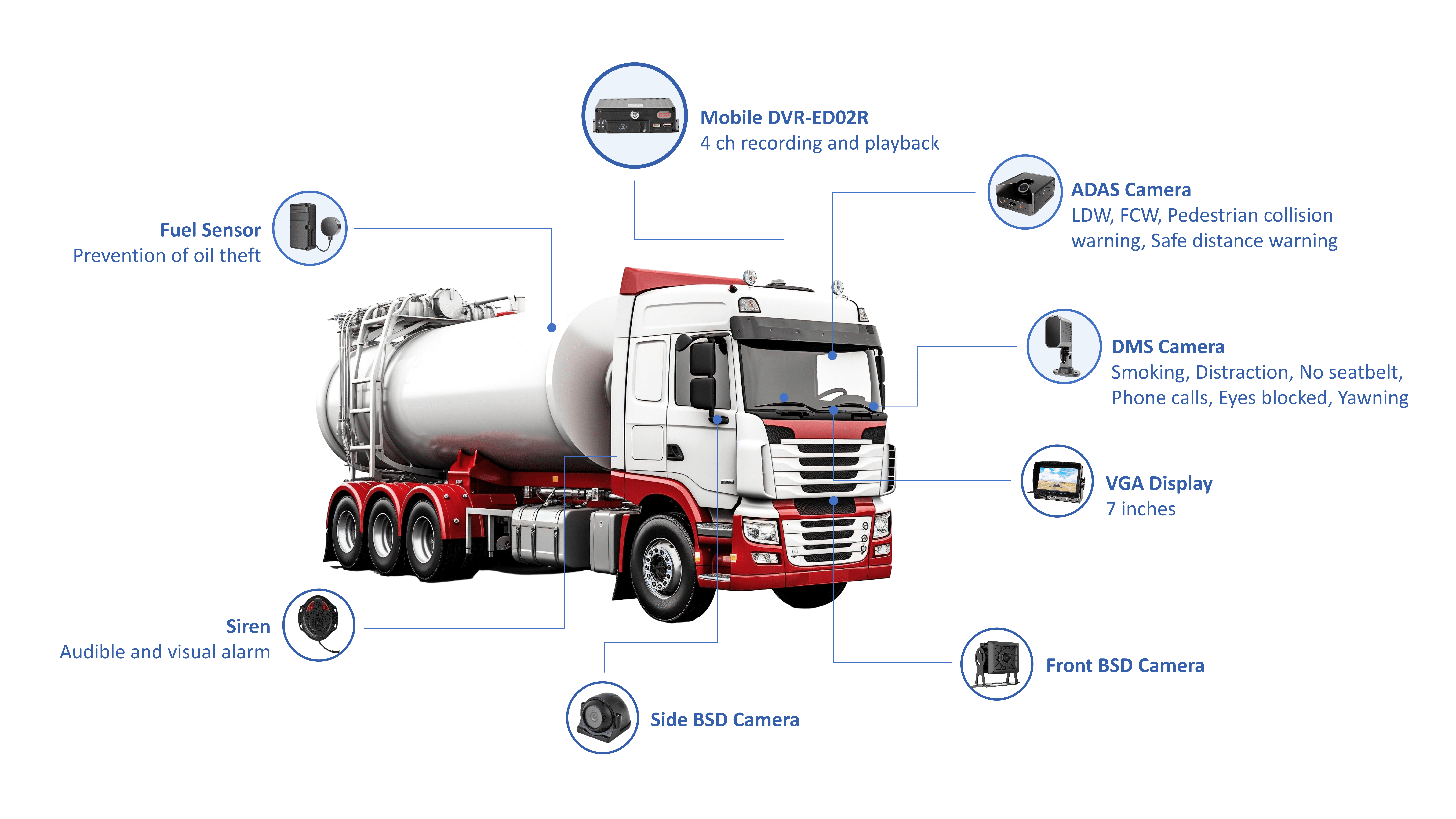
GPS-only telematics: cheaper, shows routes and idling, misses tank-level nuance. CAN-bus integration: precise engine data, needs professional installation and interpretation. Tank sensors: direct fuel measurement, sensitive to calibration and sloshing on uneven roads. Fuel card integration: good for purchase tracking but blind to onboard losses. The right mix depends on your goals: audit-grade reconciliation requires tank sensors plus CAN-bus; operational coaching can start with GPS plus idling alerts.
A concise checklist for reports that lead to action
– Daily reconciled fuel variance by vehicle. – Top 10 variance causes with evidence links (sensor trace, receipt photo, route). – Alerts for sudden drops > X% in 15 minutes or sustained drift > Y% per 24 hours. – Maintenance queue items derived from DTCs tied to poor fuel economy. – Quarterly calibration and audit logs attached to each vehicle record. These items turn data into decisions.
A real-world anchor to stay grounded
When I reviewed reconciliation practices for a midstream fleet operating in the Permian Basin, simple daily digests caught several small thefts and a sensor miscalibration that had inflated consumption reports for months. That kind of find comes from matching multiple telemetry streams, not just a single chart.
Final synthesis
Start by treating fuel telemetry as evidence: capture tank-level, flow, CAN-bus, geolocation, and purchase data with disciplined timestamps, then design reports that answer what changed, where, and who. Avoid single-source thinking; validate sensors and keep audit trails. For teams aligning operations and accounting, the practical value appears when those pieces connect — a concise system that reconciles readings, receipts, and routes, the very capability companies like BSJ embed into solutions so teams stop guessing and start fixing problems.