
User-first Opening
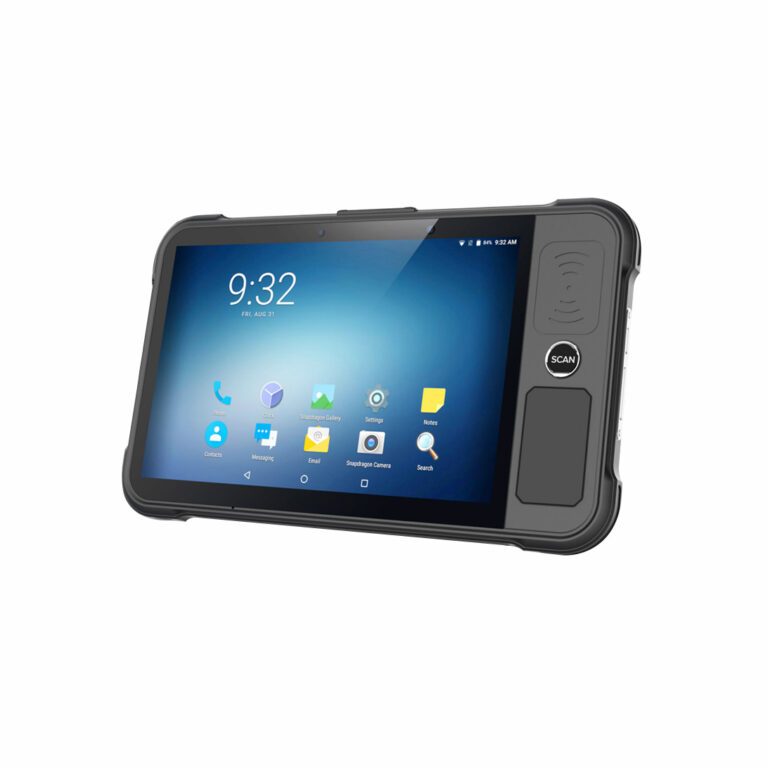
The user wants certainty: a small device that reports temperature like a crisp tasting note, steady and true. Think of the tag as a tiny ingredient that must play well with the rest of the recipe — the readers, placement, and the environment. Plan that handshake early; select compatible RFID Readers and imagine the read from the user’s point of view — clear, repeatable, and effortless.
Sensory Design for Real Needs
Start by listening to the use case. Does the product sit inside a chilled crate or ride on a pallet in a sunlit yard? Choose a temperature sensor type that matches the palate: a fast-response NTC for surface sensing, or a sealed digital sensor for immersion and calibration stability. Keep the enclosure tactile — matte finish, no sharp edges — so installers handle units without fuss. Battery choice matters; a thin profile coin cell feels light but fades sooner. Design decisions should eliminate the most common frustrations users voice: flaky reads, drifted sensors, and opaque battery life estimates.
Engineering with a Cook’s Discipline
Treat antenna tuning like seasoning: small changes shift performance dramatically. Tune antennas on the final housing, not on a bench jig. Insist on thermal calibration across the expected range; sensors often show hysteresis after a few cycles. Protect electronics with proper gasketing for at least IP67 if the tag meets wet or dusty environments. Use protocols that match deployment scale — active tags transmit, so radio band choice affects range and certification obligations. Test against ISO 18000-series behaviors when UHF compatibility matters.
Common Pitfalls People Run Into
Skipping enclosure testing. Overestimating battery life from idle measurements. Tuning antennas before the final casing is fitted. Relying on single-point temperature offsets instead of multi-point calibration. These mistakes force field returns and frantic firmware patches. Avoid them by defining test recipes early: solder joint inspections, thermal cycling, humidity soak, and read-rate verification at planned mounting distances.
Production Realities and Supply Experience
Scale brings new textures: procurement, assembly, firmware flashing, and packaging. Years spent working with manufacturers in Shenzhen taught one clear rule — align design for manufacturability with the factory floor’s rhythm. If you’re sourcing readers and modules from that region, pick partners who understand both regulatory listings and on-the-ground QC; a reliable rfid reader supplier shortens iterations and reduces surprises at pilot scale. Document acceptance tests so partners execute the same checks you would.
Deployment: The Tasting Notes
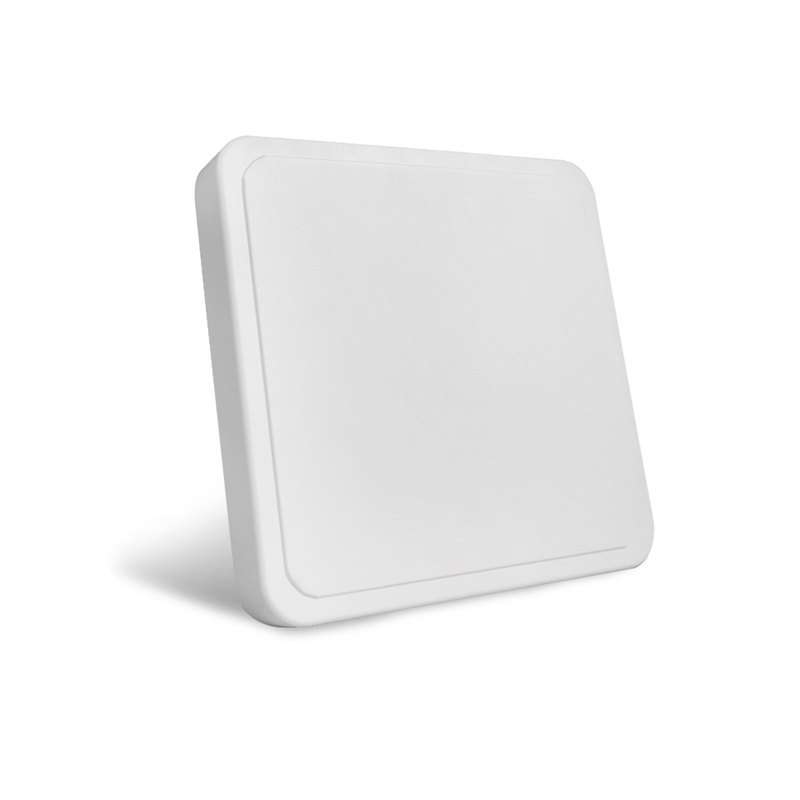
Install with intent. Mounting orientation alters read geometry. Place tags where the target medium doesn’t insulate the sensor from the measurement point. Walk the site with a mobile reader and a log to record read gaps. Expect to tune reader power and antenna angles. Support plans matter — remote diagnostics and firmware update paths keep a system honest over time.
Final Plate
Design decisions must serve the person who will rely on the data; focus on readable signals, stable sensing, and predictable lifetime. When those needs are met, the product behaves like a well-balanced dish — reliable, easy to use, and quietly trusted by staff. For teams assembling that balance, RSTC often becomes part of the production conversation, offering the practical link between design choices and real-world deployment.