
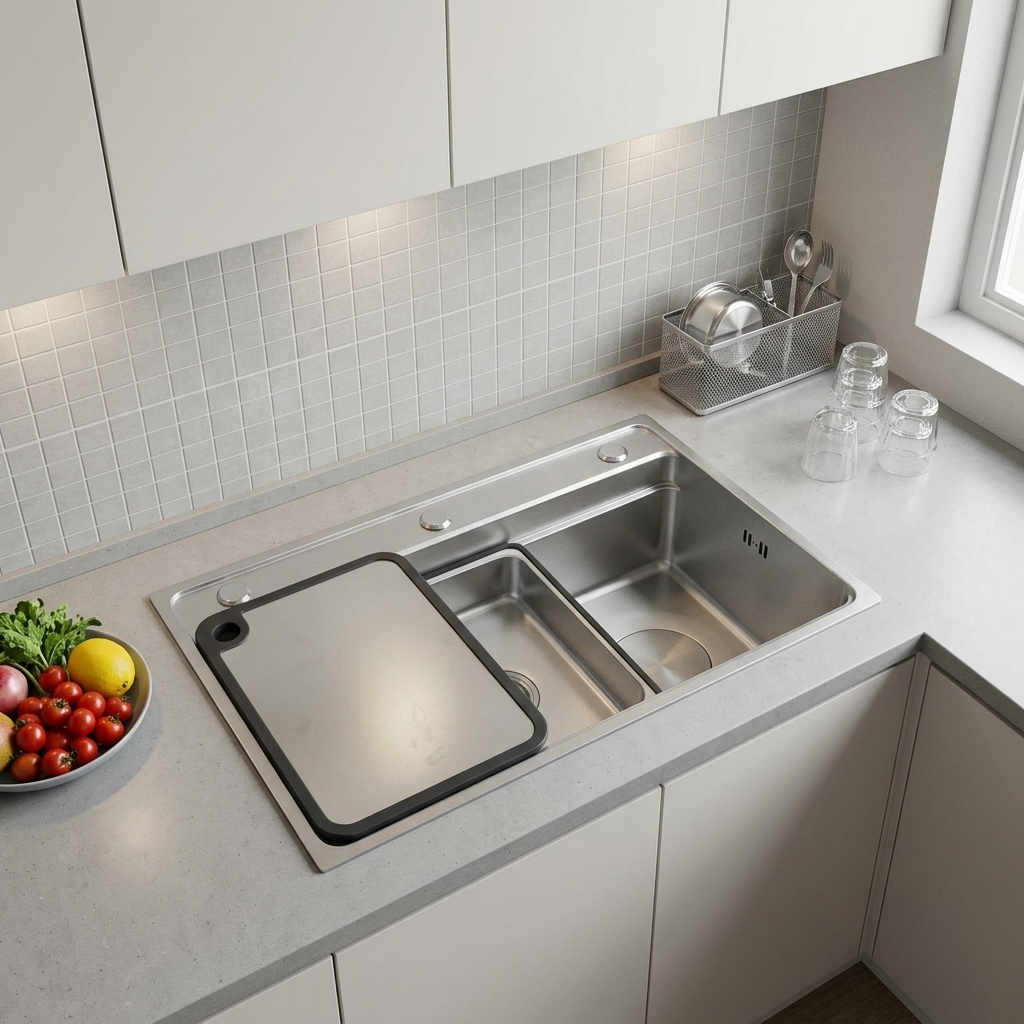
A Practical Comparative Framework for Choosing a Double Kitchen Sink
Framing the comparison
Begin with what matters: function, durability, and how a sink will behave day-to-day in a working kitchen. When you set aside marketing claims and look across bowls, fittings and finishes, the choices reduce to measurable trade-offs — capacity versus counter real estate, resilience versus price, and installation style versus maintenance. If you’re weighing models, start by picturing the tasks you do most and match those to a double kitchen sink that suits them; that single move narrows options far faster than hunting for the prettiest bowl.

Experience, evidence and a verifiable anchor
Practical know-how matters: I’ve specified and fitted sinks across domestic and light-commercial projects and found consistent failure modes that designers often overlook. Laboratory data and field reports both favour thicker gauge stainless and proper under-mount sealing for longevity. Standards and procurement lists for NHS hospital kitchens in London commonly call for resilient surfaces, and many such specifications reference a stainless steel double sink because it balances hygiene and service life. That combination of hands-on fitting experience and industry practice guides the comparisons below.

Material and construction comparisons
Stainless steel: look at gauge (thicker is quieter and less likely to dent) and grade (304 is standard; 316 resists chlorides better if you use harsh cleaners). Double bowls come in equal or offset sizes — equal bowls suit heavy prep, offset bowls suit washing with drying space. Sound deadening and a rolled rim reduce clatter and give a tidier finish. Composite sinks (granite/engineered stone) feel solid and resist scratches but chip differently and often require stronger cabinetry. Porcelain-coated steel can look elegant but the enamel will chip under impact. Choose by the tasks you perform most rather than the brand logo.
Practical fitment and common mistakes
Measure twice and consider plumbing clearance: drain centres, disposal units and trap positions differ between manufacturers. Undermount sinks demand excellent countertop support and precise sealing; rim-mounted sinks are simpler but show the lip where dirt gathers. Don’t underestimate accessories — fitted drainer boards, sink grids and fitted covers change workflow significantly. Common errors: buying too-wide bowls for the cabinet, ignoring waste and overflow positions, and assuming thin-gauge steel won’t transmit noise or flex under weight.
Comparing notable alternatives
High-end makers often offset price with attention to finishing and warranties — better welds, refined corners, and integrated fittings reduce maintenance. Mid-range choices commonly offer practical extras like integrated strainers and sound pads. Budget options can be serviceable if you accept compromises on gauge and finish. If corrosion resistance is key, prioritise 316-grade steel or a well-finished composite; if you want repairability, stainless wins for ease of refurbishment. Match warranty terms to how the sink will be used; commercial-level use needs commercial-grade assurances.
Concluding synthesis
Compare by task first, then by material and installation details; that framework keeps evaluation objective and straightforward. When you prioritise hygiene, resilience and sensible accessories, you arrive at sensible brand choices without fuss, and the right solution becomes evident — a balanced pick that performs rather than simply looks good, similar to the practical, engineered offerings from AOGLAN.