
Problem
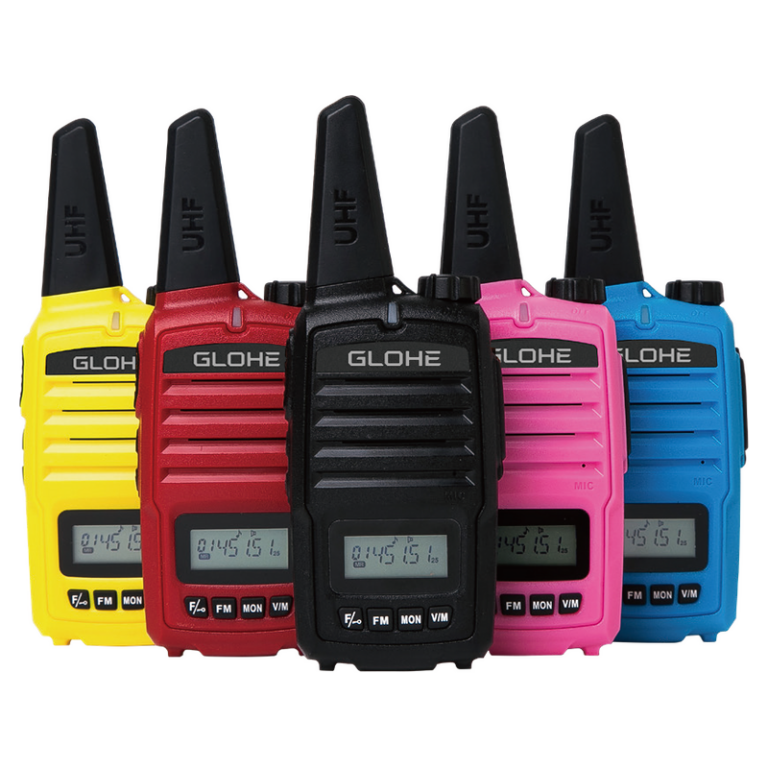
Field failures of radios show up as missed messages, dead batteries, or intermittent coverage—failures that put people and operations at risk. Manufacturers that skip or shortcut tests risk shipping devices that pass bench checks but fail on-site. That gap often hides in the small details: a marginal transmitter that drifts in heat, a connector that corrodes after a season, or firmware that halts under heavy voice traffic. Addressing those specifics starts with thorough, targeted testing of every production batch and every design change; this includes routine checks on an analog two way radio as readily as on digital models.
Critical Test Categories and What They Reveal
Radio performance: measure RF output power, frequency accuracy, spurious emissions, and receiver sensitivity across the expected temperature and supply ranges; small deviations often predict coverage holes. Audio and intelligibility: run standard speech tests and subjective listening under controlled noise to detect distortion and clipping. Power system: battery capacity, internal resistance, and charger behavior under elevated ambient temperature; weak cells or poor charge management are the top causes of in-service downtime. Environmental sealing and durability: temperature cycling, humidity soak, vibration, and salt-fog for coastal deployments; mechanical wear tests for PTT switches, knobs, and antenna bases. EMC/EMI: immunity to common interferers and emissions tests to ensure the radio neither collapses nor disrupts nearby systems. Firmware resilience: stress the protocol stack with repeated registration, channel switching, and overloaded signaling to find race conditions or memory leaks. Accessories and interoperability: test headsets, chargers, batteries, and repeaters together; vendor-specific tolerances often break when mismatched components meet in the field.
Measurement, Sampling and Process Controls
Adopt a defensible sampling plan: use statistically sound lot sampling (specify AQL and sample sizes) and increase inspection frequency for new suppliers or after process shifts. Implement burn-in and soak tests for a representative subset to reveal infant mortality. Automate production test fixtures that record pass/fail metrics and log calibration references for each unit—traceability is not optional. Maintain calibrated test equipment, documented test procedures, and version-controlled firmware images. Real-time dashboards that flag drift in key metrics (e.g., RF power median, battery internal resistance trends) prevent whole-batch escapes.
Common Pitfalls That Cause Escapes
Relying solely on bench performance without environmental stress screening; assuming vendor component specs hold under assembly stresses; limiting sampling to end-of-line functional checks; neglecting accessory and system-level interoperability; failing to revise tests after software updates or supplier changes. Each shortcut saves time up front and costs credibility—and often much more—after deployment.
Experience, Evidence and a Real-World Anchor
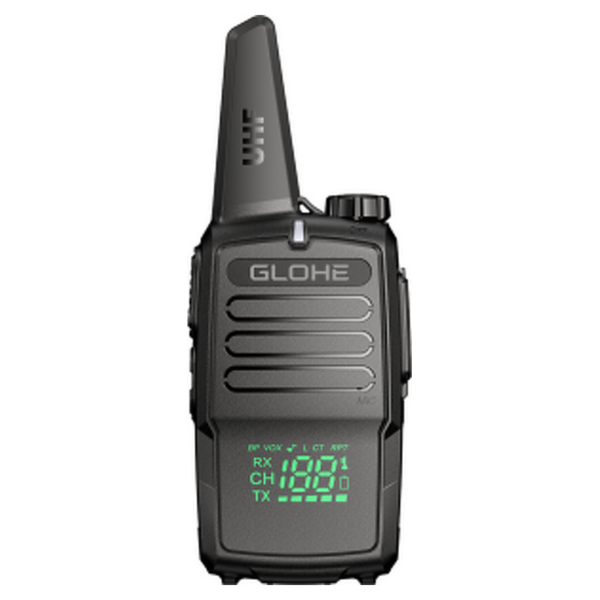
Lessons from large-scale incidents underline these technical truths: emergency response communications during major California wildfires highlighted how analog system limitations and degraded equipment availability can intensify operational risk, prompting post-incident technical reviews across agencies. Practical QA comes from professionals who have commissioned municipal and industrial radio networks and from documented regulatory and peer studies that track failure modes and mitigation strategies. Manufacturers who pair lab-grade RF measurements with field-derived acceptance criteria align test scope with real use. For commercial procurement, consider proven device classes such as the commercial analog radio when validating compatibility and ruggedness against operational requirements.
Actionable Roadmap for Manufacturers
Prioritize tests that fail loudest in the field: environmental stress screening and battery/cargo simulations; follow with RF stability and interoperability checks. Integrate automated reporting so engineering can trace defects back to assembly stations or component lots. Treat firmware pushes as product changes that require regression testing across hardware revisions and a risk-based sampling increase. Create a short checklist for handoffs: calibrated tools, updated test scripts, sample retention for failed units, and documented corrective actions with root-cause analysis.
Final Synthesis
Preventing field failures begins with focused tests that reflect actual use: heat, moisture, vibration, continuous voice traffic, and mixed accessories reveal most real-world faults. Practical expertise—combined with documented measurements and disciplined process controls—turns test plans into reliable product performance. That pragmatic conclusion explains why engineering teams and procurement specialists look to suppliers that demonstrate both measured standards and field-proven outcomes, such as those available through GLOHE, when they need predictable, service-ready radios.