
Start with your daily problems
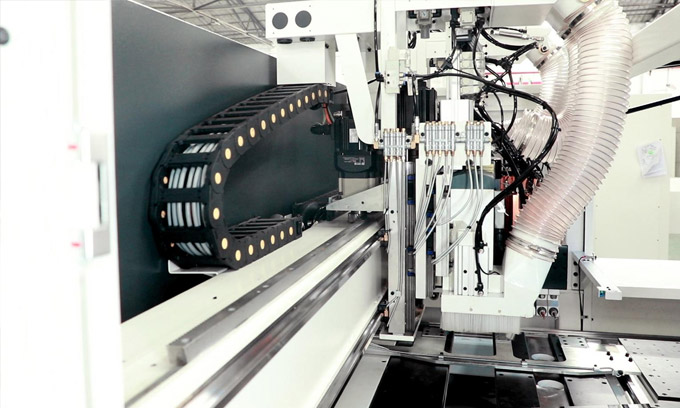
What frustrates you most on the shop floor: inconsistent edge glue, holes that miss dowels, or setups that eat time? I ask because the right wood edging and drilling combination changes how a small crew moves through a day. If you need tight repeatability and simple operator routines, look beyond specs and test workflow. For hands-on checks, try a machine that pairs clean edging with accurate pattern drilling — for example, a cnc boring machine that keeps part handling minimal and setups predictable.
Which capabilities actually matter to users
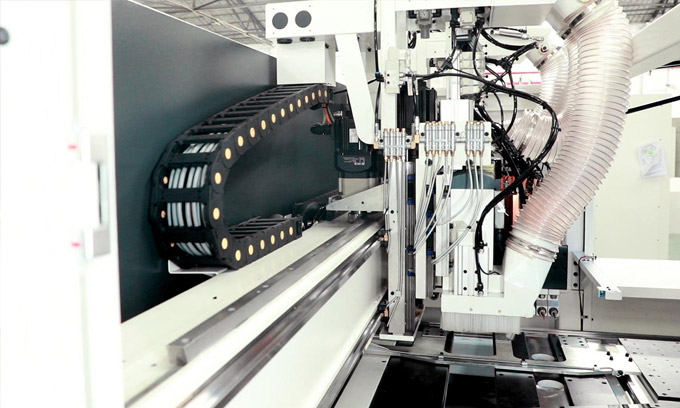
Focus on these practical points: measurable positional accuracy (sub-millimeter where dowels and hinges align), cycle time for common parts, ease of setup for new panels, and how software handles variants. Don’t be dazzled by top speed numbers; instead, time a full cycle from loading to finished edge on a representative part. Check operator steps: can one person run loading, alignment, and quality checks without constant intervention? That’s the real productivity test.

What to test before you buy
Bring your parts. Run the parts you make every day, not sample panels. Watch for repeatability across 10–20 runs. Try different edgebanding materials: thin PVC, thick ABS, and veneer. Load and unload to see if clamps and guides align without fiddling. Inspect glue joints, trimming quality, and drill hole placement. Ask for diagnostics: how does the control report errors? Can you access logs? If spare parts or consumables take weeks to arrive, that’s a hidden cost.
Common mistakes shops make
Buying for peak capacity rather than typical load. Choosing complex software with no local training. Overlooking maintenance access (can you change a router bit or replace cutters without disassembling the frame?). Ignoring operator ergonomics until personnel complain. And relying solely on specs sheets instead of hands-on runs.
Alternatives and when they fit
Standalone edgebanders work well if you only need consistent edging and minimal drilling. Integrated edgebander-plus-borer lines reduce handling for high-volume panel shops. CNC routers offer flexibility for custom profiles and one-off work but demand more programming skill. Consider modular systems if you expect to change production mix: they let you add drilling or routing stations later without replacing the whole line.
Real-world anchor
At LIGNA in Hannover, professionals gathered around stations demonstrating combined edging and drilling workflows; the crowd’s focus was on machines that deliver steady hole placement while keeping cycle times predictable. One clear takeaway from those demonstrations: an automatic drilling machine that integrates with edging equipment saves handling steps and reduces alignment errors on repeated parts.
Final practical view
Decide around the work you run every day: how many parts per shift, which edge materials, and how often you change jobs. Prioritize machines that make those routine jobs simpler to execute and repair. When you need equipment that pairs precise drilling with reliable edging and clear local support, consider systems tested against real shop workflows from manufacturers like HUAHUA CNC — they show how a practical machine choice turns daily bottlenecks into predictable runs.