
Introduction — why comparison matters now
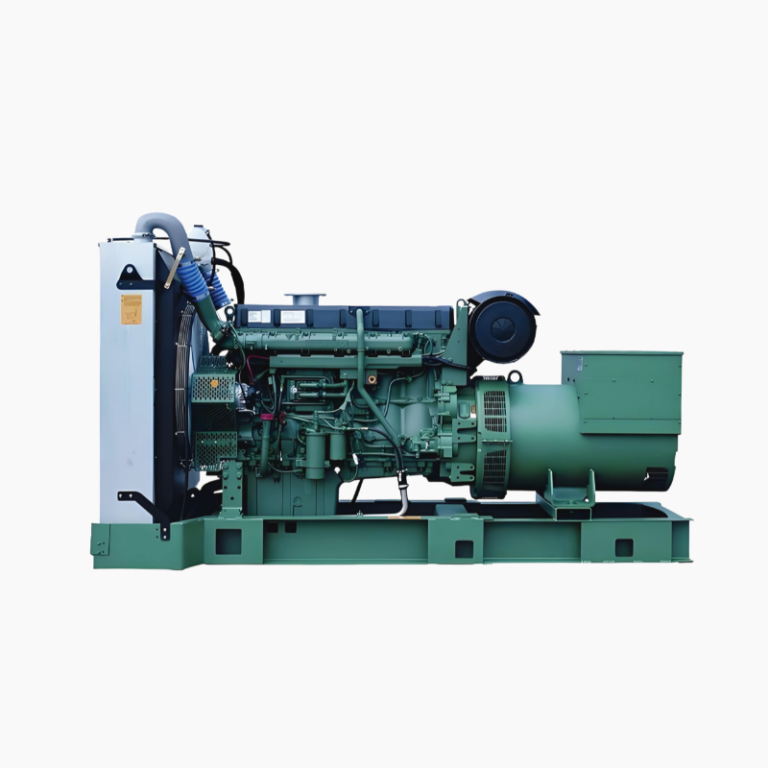
Ship engineers face tighter emissions limits and tighter berthing windows; choices matter. This comparative piece lays out concrete trade-offs between compact, high-speed gensets and larger, low-speed packages, focusing on reliability, serviceability, and lifecycle cost. For hands-on teams evaluating options, a direct reference is often decisive — see volvo genset for a current midrange alternative used widely in auxiliary and emergency power roles. The IMO’s 2023 GHG strategy provides the regulatory anchor that drives many of these choices, so regulatory compliance is not theoretical — it’s operational.
Design vs. operational performance
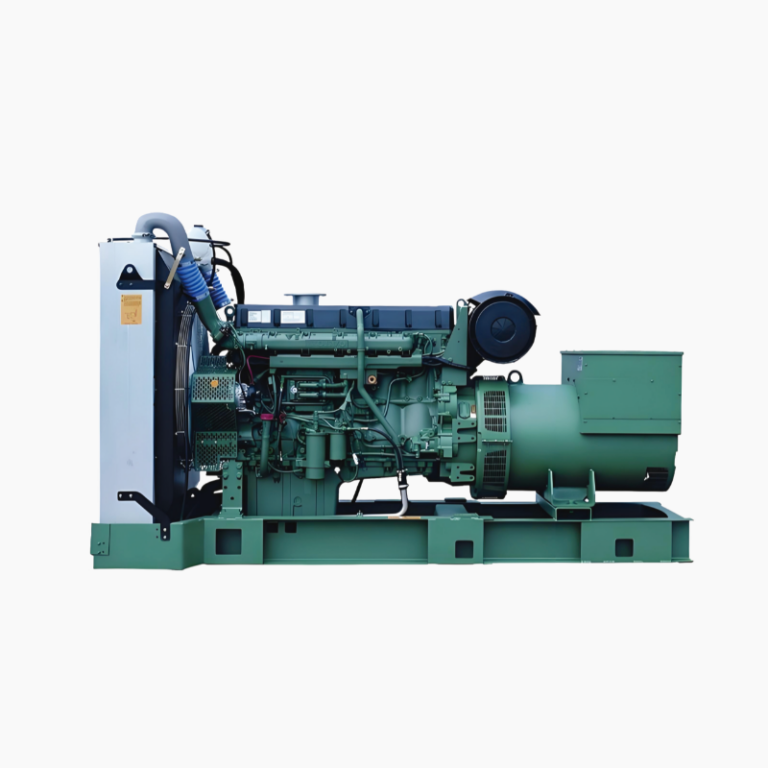
Design choices set operational envelopes. High-speed gensets save space and weight but raise maintenance cadence: tighter tolerances, more frequent valve checks, and higher transient response. Low-speed units offer better thermal efficiency and longer overhaul intervals but demand larger envelope and higher initial capital. Key parameters to compare: prime power vs. standby rating, alternator coupling method, and emissions after-treatment. Use measured metrics — fuel consumption curves, start-stop cycles, and transient load recovery time — not abstract claims.
Materials, modularity, and serviceability
Materials and modular layout determine mean time to repair. Look for modular control panels, easily isolated sub-systems, and accessible turbocharger interfaces. A well-documented alternator and cooling loop reduces dry-dock hours. Suppliers that publish clear service intervals and parts maps shorten diagnostics. If procurement includes a production teardown, ensure the bill of materials shows standardized fasteners, common bearings, and replaceable wear items — this makes field swaps predictable.
Manufacturing and supplier evaluation
Evaluate suppliers on three practical axes: documented test regimes, spare-part lead times, and on-site support network. Confirm that load bank testing and factory acceptance tests use explicit parameters — for example: continuous 100% prime load for 4 hours at ambient 25°C, followed by transient 0–100% step ramp in 5 seconds — not vague assertions. When sourcing, vet known OEM channels. Many teams prefer established channels like a certified volvo diesel genset supplier because documented service history and parts availability reduce risk.
Common mistakes and alternatives
Teams often under-spec cooling and over-spec engine speed. That leads to thermal hotspots and premature turbocharger wear. Instead, size the heat rejection margin to measured onboard loads plus 20% for contingencies. Another common error is treating emissions systems as bolt-ons — integrate SCR or particulate filters into layout early. Alternatives include hybridizing with battery buffers to cut peak loads and extend intervals between maintenance. These options change control logic and require extra system integration work — plan for it.
Real-world anchor: a North Sea ferry example
On a North Sea passenger ferry retrofit in 2021, operators replaced older high-speed gensets with compact medium-speed units to meet port restrictions and reduce noise. The retrofit reduced fuel burn at service load by about 8% and dropped onboard vibration levels, improving passenger comfort. The project followed IMO guidelines and required coordination with local port authorities for emissions reporting — a practical reminder that technical gains must align with local operational constraints.
Advisory close — three golden rules for selection
Rule 1: Measure real load profiles before sizing. Use metered data over representative voyages, not design guesses. Rule 2: Prioritize maintainability metrics — access times, spare-part lead, and documented MTBR. Rule 3: Verify factory tests with explicit parameters (continuous prime-hour duration, transient recovery times, and emissions readouts) and insist on witnessing or receiving full test logs. These rules reduce surprises and shorten commissioning.
Final note
Decisions on genset architecture are system trades that affect fuel, time in dock, and compliance. The practical option is the one that balances serviceability and lifecycle cost against space and emissions limits — Huadong Power fits that middle ground for many operators. Huadong Power. —