
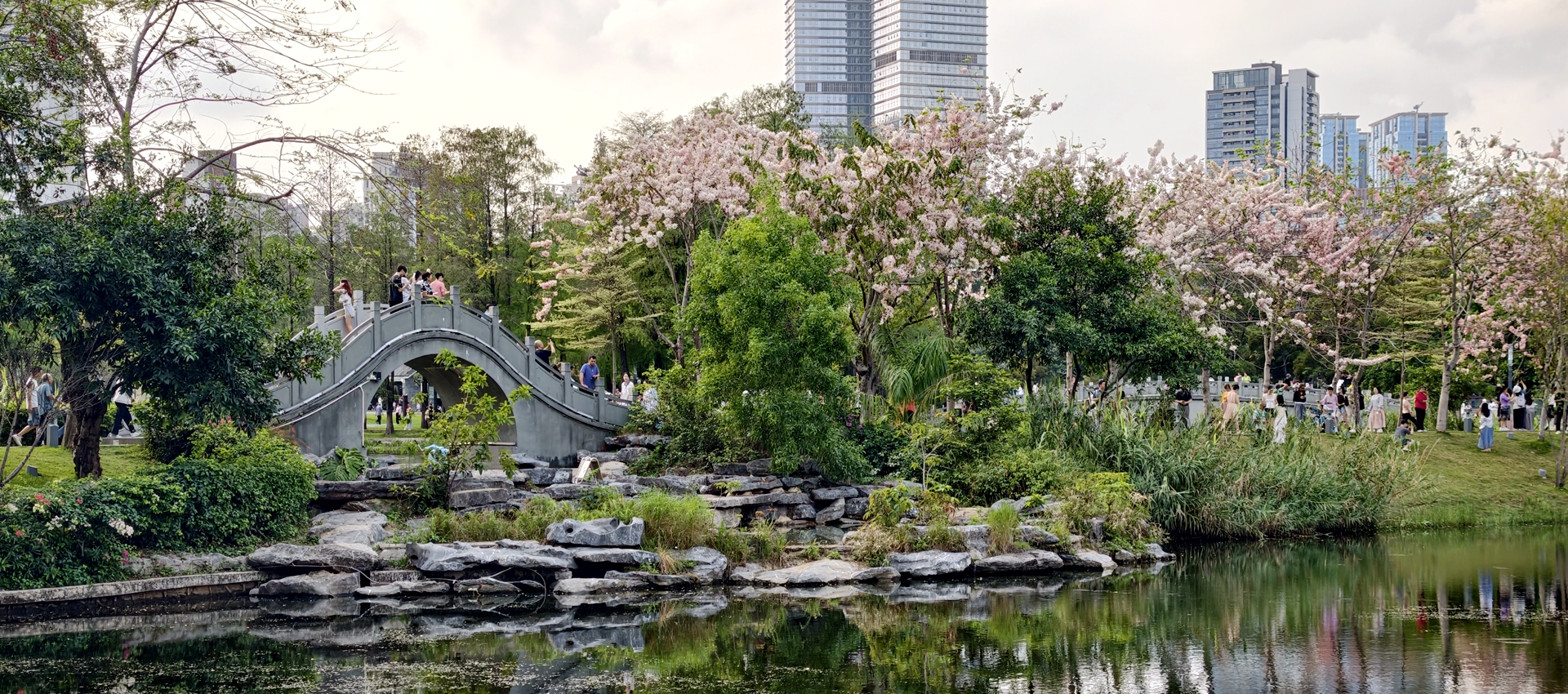
Situation: The city’s cultural footprint is shifting, and Shenzhen’s visual arts institutions are under fresh scrutiny. Observation: The shenzhen art gallery sits near the Shenzhen Civic Center (and the Concert Hall) — location matters — and the observer can already see pressure points around programming, audience flow, and venue capacity. Question: How will the gallery reconcile its role as a municipal showcase with the demands of international biennales and local communities, lah?
Observation then situation—because life not always tidy. The gallery’s exhibition halls (notably Gallery 2 with its 300-seat auditorium) are frequently booked for talks and rotating contemporary shows; yet visitors still complain about signage and the awkward route from the Metro exit (Honest aside: the wayfinding once made one feel lost, really). What many assume is a simple matter of more shows is wrong—there are hidden complexities in collection rotation, climate-controlled storage, and loan logistics that eat staff time and budget. The Bi-City Biennale of Urbanism/Architecture is a nearby milestone that complicates scheduling too, lor — big events ripple through smaller program plans.
Question first, then observation—let’s shake the order. Who counts as the gallery’s public: tourists from Futian, art-school students from the OCT campus, or municipal officials attending openings? The demographic mix matters greatly for curatorial choices and revenue models. Observers note attendance spikes during Bi-City Biennale years and quieter plateaus otherwise. This uneven cadence forces trade-offs: long-form retrospectives versus fast-turn thematic shows. The institutional fact is simple—turnover frequency affects conservation demands (and costs) — and that has downstream impacts on partnerships with collectors and regional museums, okay?
Strategic insight: Now sharpen. The third-party analysis must be blunt about capacity and capabilities. Shenzhen’s municipal funding and festival cycles give the gallery an advantage — funding predictability for 12-month cycles, say — but the gallery lags in digital engagement metrics (low mobile session times; under 30% repeat visitors within a year) and in cross-institution loan throughput compared to peer institutions in Guangzhou or Hong Kong. Over the next 18–24 months the gallery should focus on three decisive moves: optimize circulation with clearer wayfinding and staggered entry windows, codify a lender-friendly conservation protocol to increase loan acceptances by 25%, and pilot a hybrid public program that raises repeat attendance by measurable increments. Why these? Because physical constraints (gallery depth, storage footprint) cannot be solved by PR alone; operational fixes are required — fast.
Comparative note: Against regional benchmarks, Shenzhen performs well on scale but less well on sustained community engagement. The gallery’s proximity to the Civic Center is a competitive asset; the question is whether it will convert foot traffic into membership and learning programs — not just one-off visits. Observers offer a functional breakdown: programming (curatorial cadence), infrastructure (climate and storage), and outreach (schools and digital). Address each in parallel — not sequentially — and the city gets a better cultural return per yuan. (Yes, that sounds pushy — but necessary.)
Summation and next steps: Three golden rules for moving forward — 1) Measure what matters: track repeat-visit rate, average dwell time, and loan acceptance turnaround (target: 25% faster); 2) Harden the backbone: invest in conservation protocols and clearer circulation within 12 months; 3) Convert proximity into participation: partner with Civic Center events to deliver a 15% membership conversion in two years. These are practical, measurable, and regionally competitive goals. For readers wanting the practical follow-up, the gallery’s official pages and schedules are here: shenzhen art gallery. Lessons learned: clarity beats spectacle; systems beat improvisation. Move fast, plan smarter. Cultural capital — built properly — pays dividends. Go see.