
Your priorities first: comfort, design, and usable energy
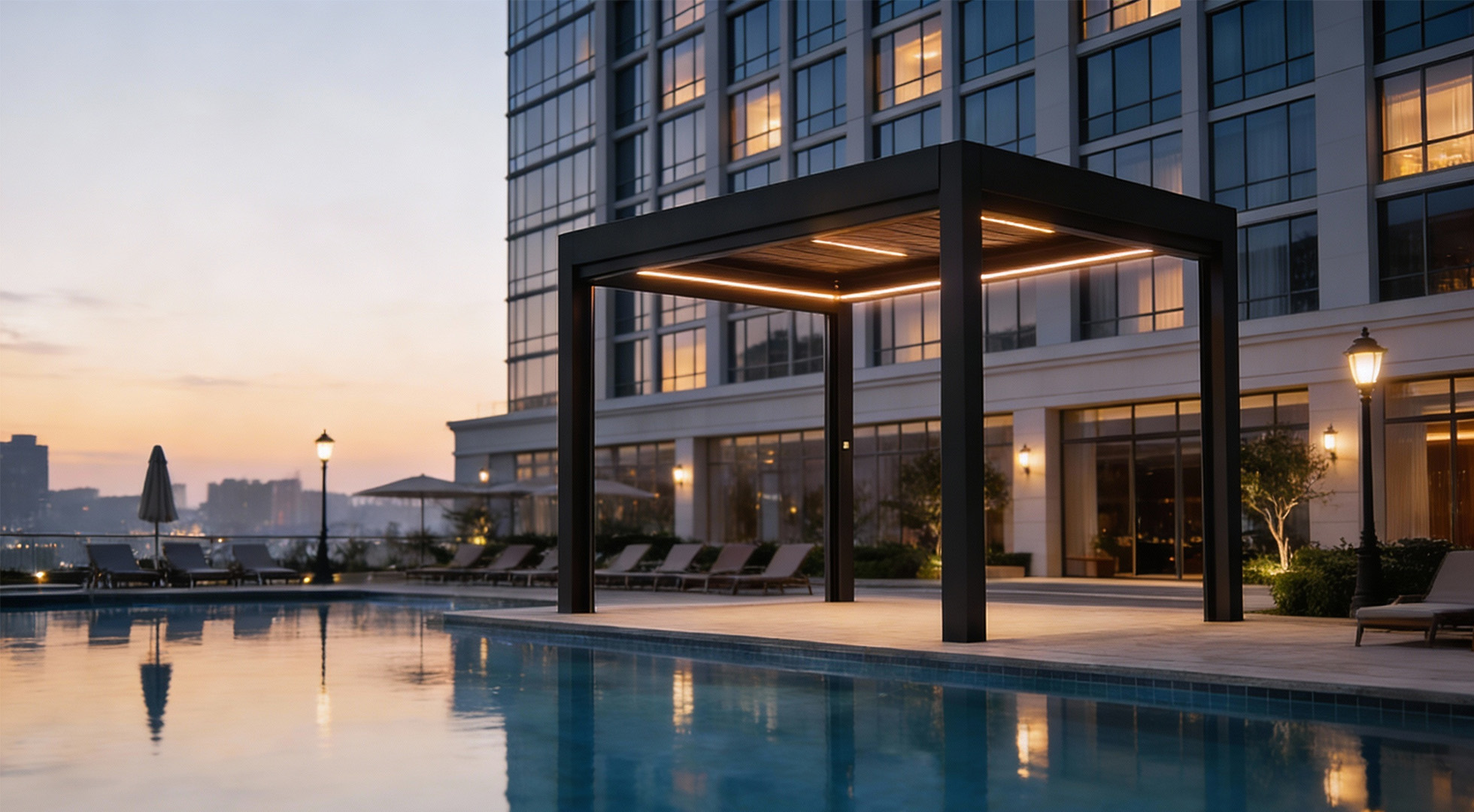
You want a backyard that feels like an embrace and pays its own way — shade that sings, not a lump of metal. Pergola dealers are the people who translate that wish into reality, balancing roof pitch, materials, and the way panels look when juiced into everyday life. A well-chosen solar pergola gives you a living space and a power source without forcing you to be an engineer; dealers handle the messy choices so you don’t have to.
What dealers actually do for you — the user-centric view
Dealers start by listening. They map your daily sun, assess sightlines, propose mounting details that respect your garden and your neighbor’s view, and run permit-prep so you don’t get stalled. Expect concrete help: stringing the electrical to the right panel location, choosing corrosion-resistant frames for coastal homes, and advising on local load and wind ratings. Dealers act as your project translator — turning your aesthetic wish list into plans that code officials and electricians can sign off on.
Experience and evidence: why you can rely on this approach
Trust grows from track record and local realities. In markets like California — the U.S. leader in installed solar capacity — installers and dealers have refined canopy and pergola builds through thousands of projects and clear building-code precedents. That practical history, combined with technical case studies and installer reports, shapes standards for a solar panel shade structure that’s safe, durable, and productive. I’ve edited numerous installer profiles and product assessments, so the recommendations here reflect observed outcomes and common installer challenges, not theory.
Common pitfalls dealers help you avoid
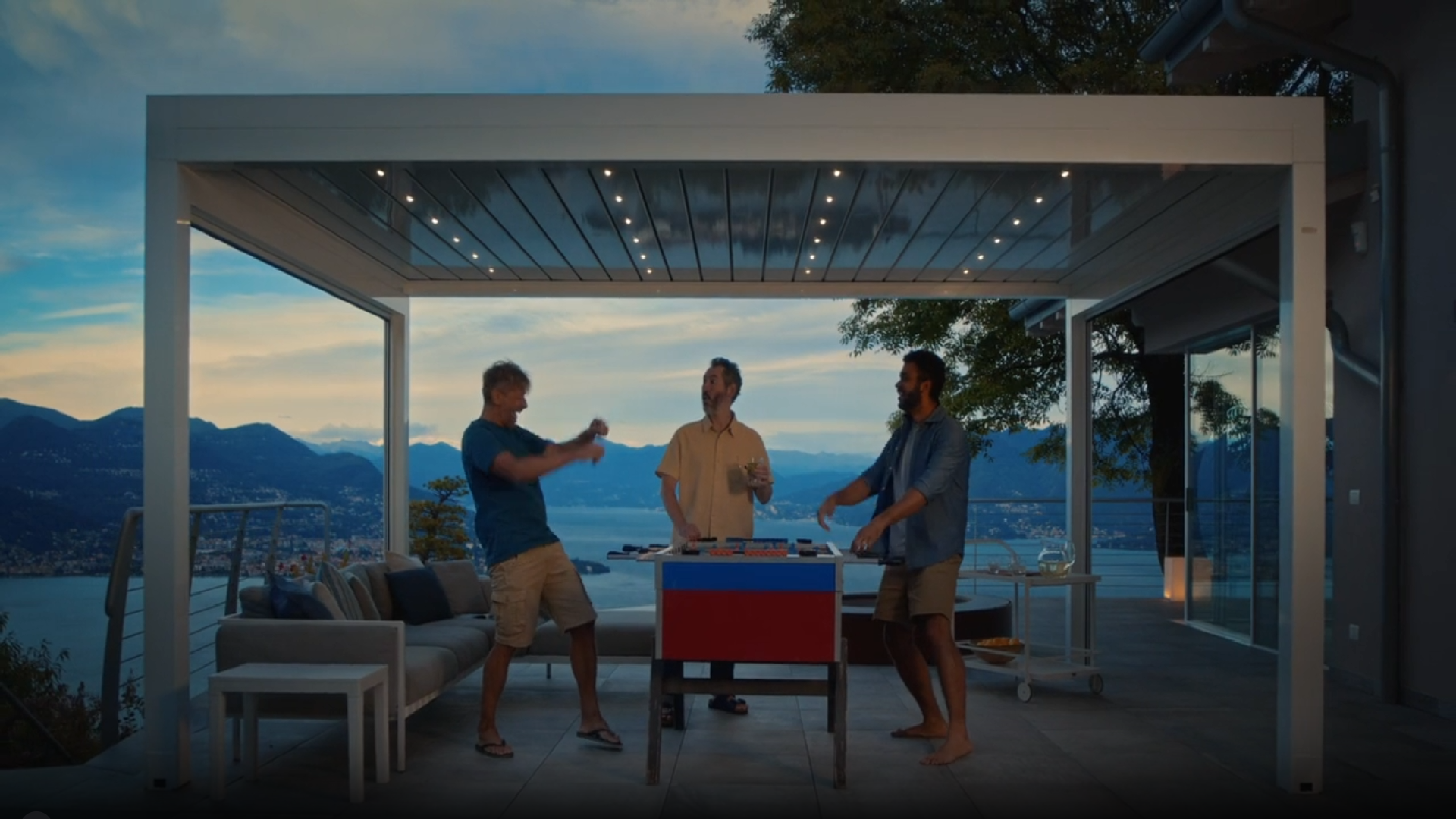
Don’t assume every pergola can take panels. Mistakes I see often: underestimating wind uplift, skipping a structural engineer for elevated canopies, choosing panels that clash with the roofline, and ignoring inverter location for cable runs. Good dealers flag these early. They recommend appropriate footings, show sample finishes so panels don’t look like afterthoughts, and explain warranty trade-offs between integrated systems and field-mounted arrays.
Alternatives and when they make sense for you
If you want lower upfront cost and you’re handy, a pre-fab DIY kit could work for a small patio — but expect limited customization and extra paperwork for permits. General contractors can handle structure but often lack solar-specific know-how. National solar installers offer streamlined financing and battery options but may push standardized canopies that don’t respect your style. Dealers sit in the sweet spot when you value tailored design plus solar know-how; choose alternatives only when budget or timeline leaves no room for customization.
The practical checklist a dealer should deliver
Ask for a list you can compare: verified site survey, stamped structural drawings if needed, a clear warranty matrix (frame, panels, inverter), a timeline with permit milestones, and an outline of electrical interconnection steps. Also ask about maintenance plans and how the dealer handles snow or salt exposure if those apply. Concrete details now save grief later.
Where this leads you
You want outdoor living that’s thoughtful and powerful. Pergola dealers translate personal taste into a functioning solar canopy, steer you around technical traps, and coordinate the professionals who make it real. That practical blend of design care and technical competence is exactly the type of approach visible in firms like Light Hunter, which frame the value of outdoor solar in everyday terms rather than jargon.