
Introduction — A Shop Floor Scene, Some Numbers, and a Question
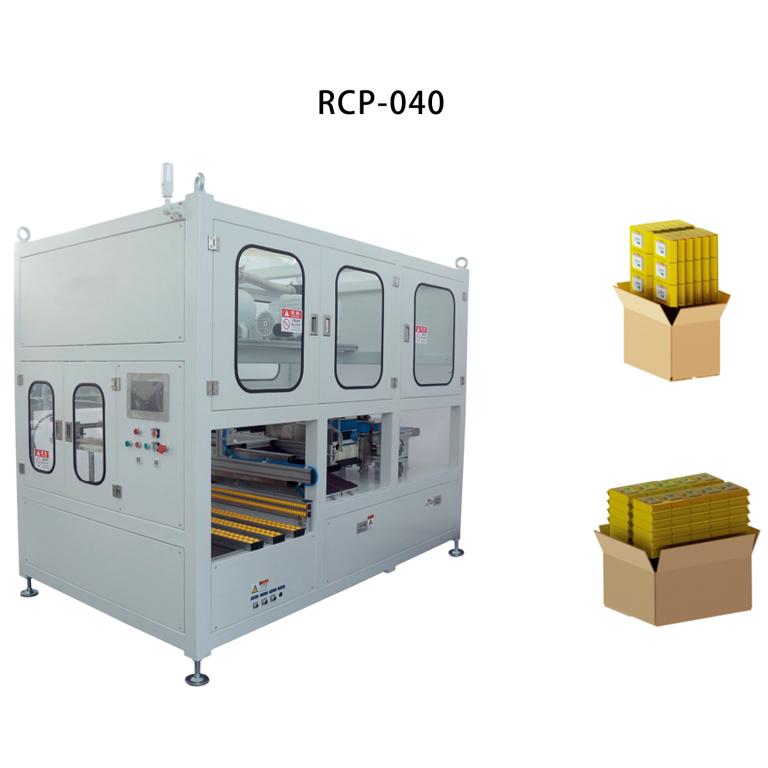
I once stood beside a line of humming machines at 6 a.m., coffee in hand, watching operators fiddle with settings like they were tuning a radio (we’ve all been there). Wet wipe machinery sits at the center of that scene — the cutters, ultrasonic sealing heads, and conveyors humming in sync. Recent studies show throughput gains of 20–40% when lines adopt basic automation, yet many plants stall at pilot stage. So I started asking: why does adoption feel so bumpy for manufacturers who should, on paper, benefit the most?
I say this as someone who has walked lines and sat in meetings where engineers throw terms like PLC and servo motors around — and yet decisions are often stalled by fear, unclear ROI, or messy integrations. The question isn’t whether automation helps; it’s how to do it without breaking the team, the schedule, or the budget. Stick with me — I’ll share what I learned on the floor and what actually works. — funny how that works, right?
Part 2 — Where the Traditional Fixes Fall Short (and What Users Don’t Tell You)
wet wipe machinery manufacturers china often face the same pinch points: retrofits that promise plug-and-play but demand long stop-times, control schemes that don’t speak to existing PLCs, and sensors that drift out of calibration. Technically speaking, the mismatch between new HMI modules and legacy PLC logic is a silent killer. I’ve seen projects where teams bought advanced servo motors and then couldn’t map their profiles to the old control loops — frustrating and expensive.
Why do these upgrades still fail?
First, people underestimate integration complexity. Second, they ignore human factors — operators resist opaque interfaces. Third, vendors over-promise on interoperability. Look, it’s simpler than you think: you need honest testing, clear specs, and staged rollouts. From ultrasonic sealing tweaks to power converters alignment, small technical gaps cascade into large downtime. I’ve sat through those emergency calls. We had to rework control logic half-way through production — and morale took a hit. The reality: traditional solutions fix one node but leave the network weak — edge computing nodes, sensors, drives — all must be considered together.
Part 3 — What Comes Next: Practical Principles and Evaluation Metrics
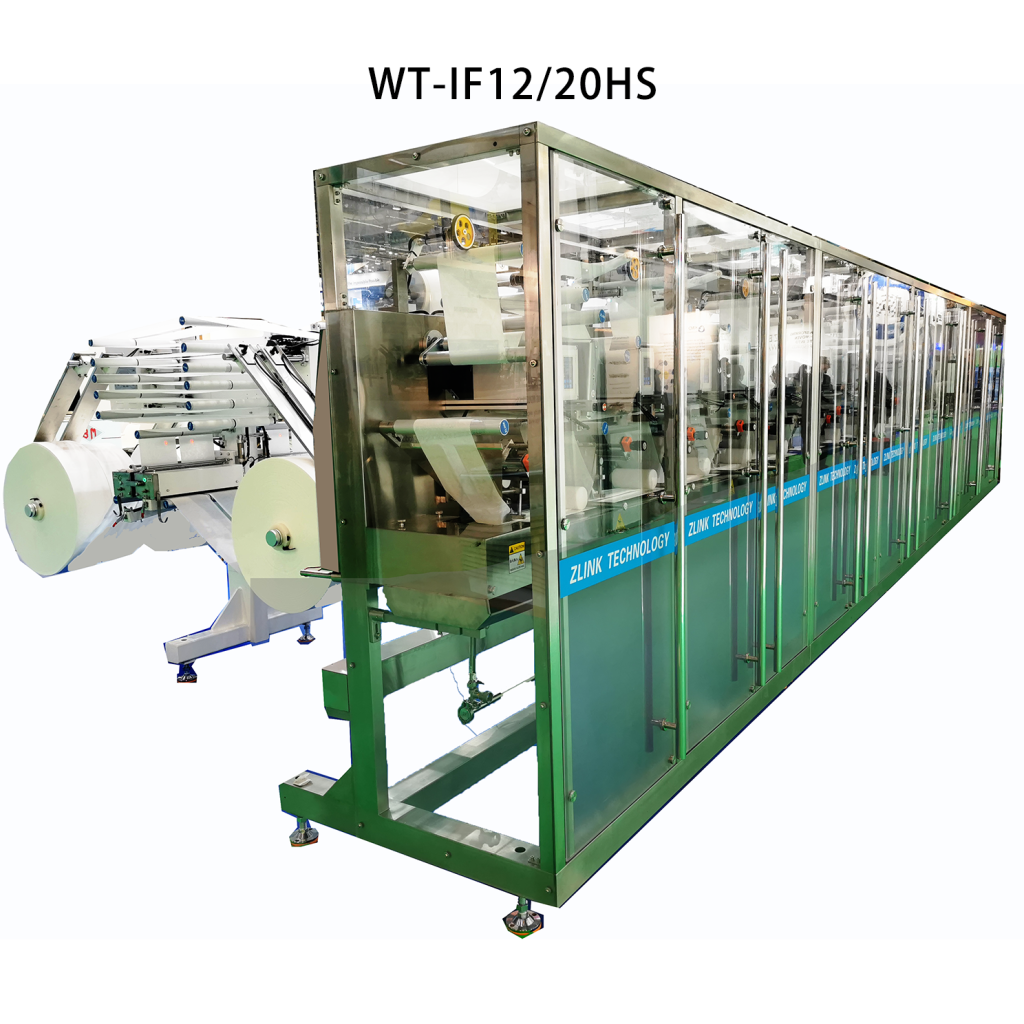
Building on the problems above, I want to shift to what actually moves the needle. I favor a principle-driven approach: start with modular control, adopt predictable interfaces, and validate in short sprints. When I talk to teams at wet wipe machinery manufacturers china, they respond best to live demos and clear KPIs rather than glossy brochures. Semi-formal yes — but practical, always.
What’s Next?
Consider these building blocks: standardized fieldbus connections, simple HMI templates, and a fallback plan for old PLCs. In practice, that looks like pilot cells that run for one week, then scale. It also means pairing new modules with existing ultrasonic sealing controls and testing with real materials — not just dry runs. — and that matters.
To help you evaluate options, here are three metrics I always recommend:1) Integration Time-to-Value — how many production hours before you see real gains;2) Downtime Risk Score — the likelihood an upgrade causes stoppages;3) Operator Usability Index — how quickly staff can run the new system without expert help.I use these when I advise teams, and they keep conversations honest. In the end, the goal is to reduce friction and build confidence — not flash a spec sheet. If you want a partner who understands both shop-floor pain and control systems, check out ZLINK. I’ve seen them plan upgrades that actually stick, and yes — that feels like relief every time.