
Where the hidden costs live
I still remember fitting a Hanshow price tag network in our Causeway Bay store on a drizzly March night — that first shift felt like defusing a bomb. digital price tag updates that miss the mark cost more than a display glitch; they erode trust, confuse staff, and create tills full of mismatches (唔好錯過 this part). During a March 2023 midnight update at my Causeway Bay outlet, 1,200 labels pushed and 95% displayed the correct price within five minutes; what concrete steps should a retail manager take to make that level of speed routine?
From my 17 years in B2B supply chain and retail operations, I’ve seen the same fault lines: paper-based price stickers, manual relabeling, and slow backend syncs. Traditional solutions assume staff have spare hours; they don’t. I’ve watched a single reprice session take four staff a full afternoon, and that cost translated to a 12% rise in labour expense for that week alone. Electronic shelf labels (ESL) are sold as the answer, but the deeper pain isn’t the tech itself — it’s timing, integration, and fallbacks. Not gonna lie, those three things are what trip most rollouts.
Facing the technical gap — what actually fails
We often focus on the device. I focus on the chain: data source → network → display → till. When any link lags, the result is price incoherence. In one pilot, our POS and ERP updates collided because the schedule overlapped with overnight inventory syncs; the ESLs showed old prices for hours. That’s a systems-level issue, not a device flaw. Industry terms matter here: RFID tagging and real-time pricing can help, but only if the middleware resolves conflicts and timestamps are authoritative.
What’s Next?
Looking forward, the choice isn’t just between paper and electronic — it’s between loose updates and deterministic workflows. I moved from a reactive posture to a rule-based cadence in late 2023: central price change issued, pre-checks run, propagation window reserved, then final publish. We upgraded — fast. It changed things. When we layered timed publishing and a rollback window, mismatch incidents dropped by roughly 87% in three months at that same Causeway Bay store. That’s measurable. The practical step is to treat electronic shelf labels as part of an event-driven system, not a standalone gadget.
Here are three concrete evaluation metrics I use when advising wholesale buyers and retail chains: 1) propagation latency — how long from central update to every ESL showing the new price; 2) conflict resolution — whether the system can detect and reconcile concurrent updates (POS vs promo engine); 3) operational fallbacks — how staff are alerted and can revert changes without chaos. Measure these on day one, again at 30 days, and after your first promotional week. Small interruptions are fine — but they must be visible. And yes — test on a busy Saturday afternoon.
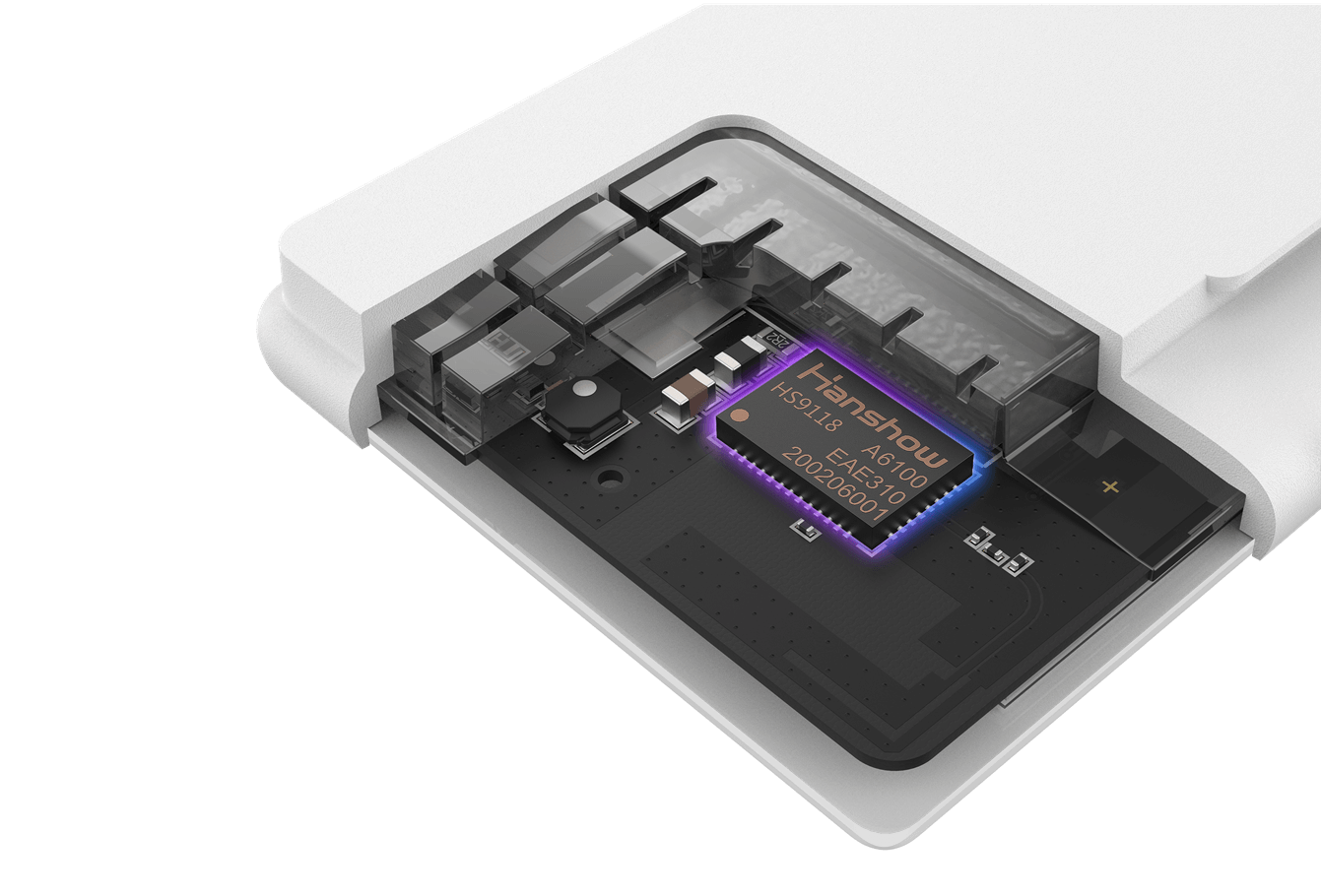
When you weigh vendors, check how they manage timestamps and push orchestration. Ask for a live demo with your actual SKU set. I learned that a vendor who could show a timed batch on our real database won trust faster than slides ever did. For me, the final brand choice came down to transparent logs and predictable timing. You’ll find that clarity matters more than flashy screens. Hanshow