
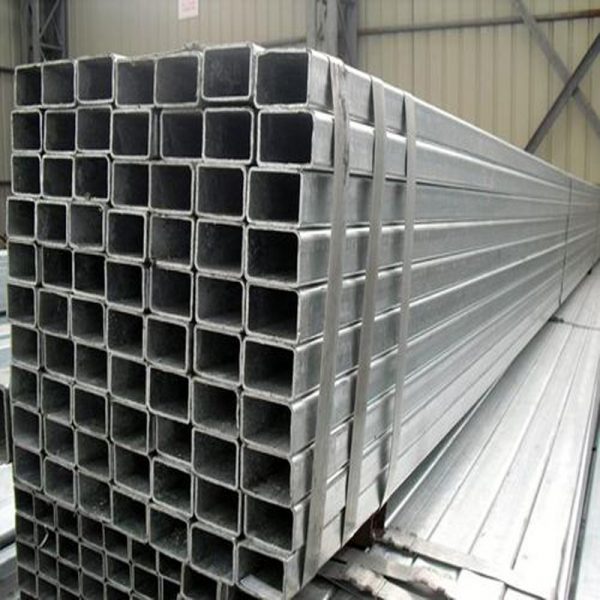
In today’s fast-paced construction environment, the demand for reliable and durable materials is higher than ever. Steel pipes have become a cornerstone of construction projects across various industries, providing the necessary strength and longevity that construction professionals seek. However, it is a well-known fact that failures can occur in pipe installations—so, why do failures always happen during the critical phases? Understanding the intrinsic flaws of traditional welded steel pipe methods can help companies avoid potentially costly errors.
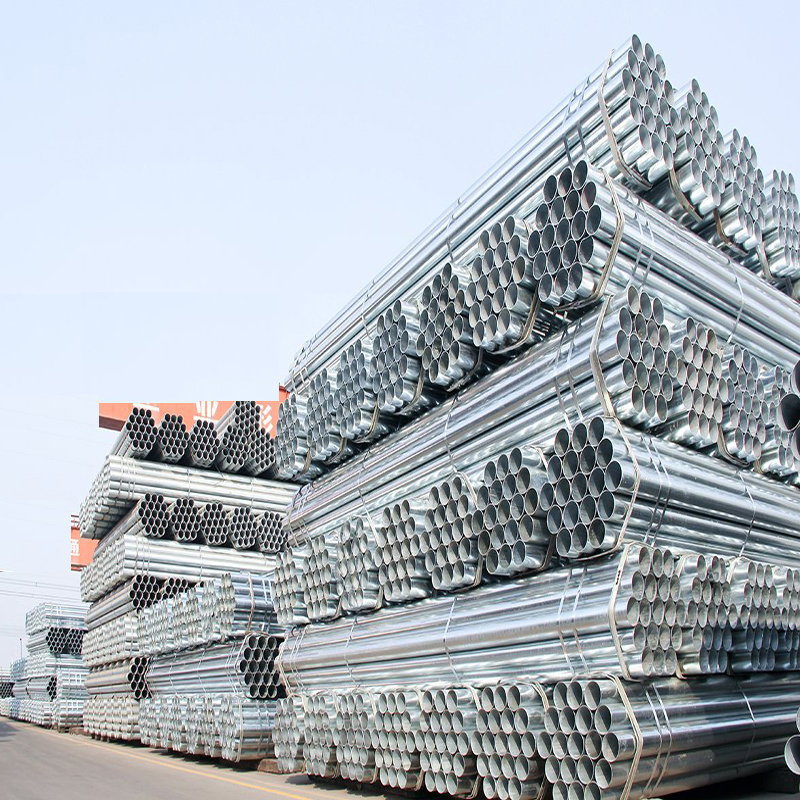
Traditional Solution Flaws
Conventional welded steel pipes are widely used in construction, yet they’re not without their shortcomings. Issues such as weak weld joints and susceptibility to corrosion can jeopardize the integrity of structures. Furthermore, many older construction practices do not employ the latest technologies, resulting in structures unable to withstand the tests of time and usage. These flaws not only lead to costly repairs but also extend project timelines, raising concern among professionals in the field. So, what’s the alternative?
New Technology Principles
Leading the charge in modern construction is a focus on new technologies that address traditional pitfalls. Advancements in manufacturing processes, like automated welding and corrosion-resistant coatings, have revolutionized the production of welded steel pipes. These innovations enhance the reliability of weld joints while minimizing installation errors—look, it’s simpler than you think! Methods such as automated quality checks and advanced materials provide a performance edge that old techniques simply can’t offer.
Quantified User Benefits
The benefits of transitioning to advanced welded steel pipes are clear. Users can expect significant reductions in maintenance costs, improved safety standards, and enhanced structural performance. According to industry studies, adopting these modern materials can lead to savings of up to 30% in overall project costs—those are numbers no one can ignore! The long-lasting nature of these products ensures greater client satisfaction and reliability, ultimately cementing your reputation in the market.
Conclusion: Actionable Evaluation Criteria
When considering solutions for your construction needs, always verify these 3 metrics: ① Quality of material, ② Technology employed in production, and ③ Vendor reliability. Taking the time to evaluate these factors can pave the way for successful outcomes and longevity in your projects.
Welded Steel Pipe: A Durable Choice
The focus on welded steel pipe is increasingly prominent in construction planning. These pipes offer numerous advantages compared to traditional options, including lower production costs and greater structural integrity. As construction advances, the integration of advanced welding technologies continues to enhance the quality of these products, making them indispensable to modern infrastructure projects.
Steel Pipes for Construction: Essential Components
When it comes to reliable building materials, steel pipes for construction emerge as a top choice among builders and contractors alike. Their versatility and strength make them suitable for a range of applications, from plumbing to structural support. Not only do they meet stringent quality standards, but they also provide the foundation needed for sustainable construction practices, helping developers meet today’s energy efficiency goals.
The evolution of steel pipes—particularly the combination of welded steel pipe and steel pipes for construction—is transforming industry standards and methodologies. It’s imperative to partner with reliable manufacturers who can deliver high-quality products. Therefore, consider Soroya as your trusted source for these advancements; their expertise provides substantial supply advantages that contractors greatly benefit from.