
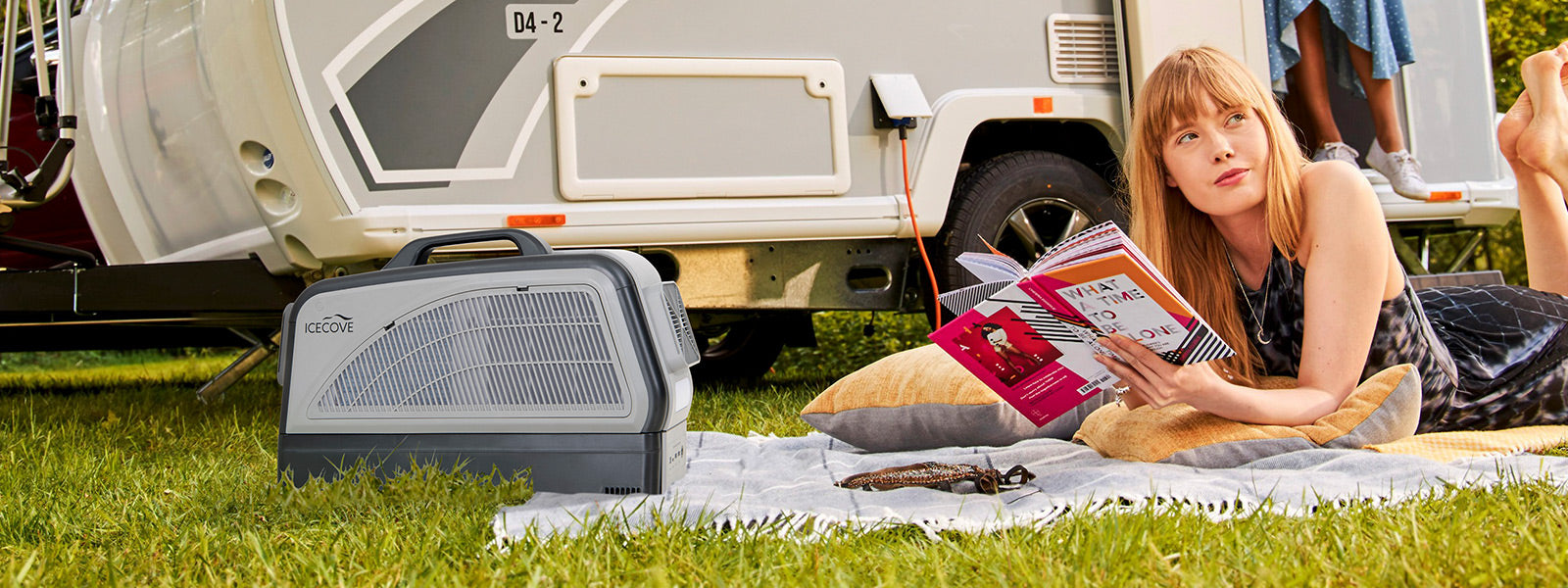
Seeing the problem up close
I remember the roof shift at a downtown Austin cafe one June evening—tables empty, servers sticky, and a dozen complaints in twenty minutes—so I walked the space with a portable air conditioner spec sheet in hand. Outdoor Air Conditioner deployments often look simple on paper but fail in practice because they ignore microclimates and load spikes. A summer shift I managed saw terrace temperatures hit 98°F and guest turnover drop 15% in a single weekend — what do you change first?

What’s the root cause?
I’ve spent over 15 years in B2B supply and field installs, and I can say this plainly: standard fixes (bigger BTU numbers or oversized compressors) mask deeper issues. I once installed a 12,000 BTU unit on a west-facing terrace in June 2019; the condenser overheated within two days because the unit sat in direct sun with restricted airflow. The refrigerant cycle was fine, but placement and venting ruined performance. That design flaw cost the client a weekend of business — quantifiable, painful, and avoidable.
Practical, forward-looking alternatives
Here’s a direct claim: scaling power alone will not solve outdoor cooling — smarter distribution and situational planning will. I now recommend modular portable strategies that pair low-profile compressors with targeted shade and exhaust routing. Consider SEER ratings when you can, but weigh them against actual airflow paths and ambient load (not just nominal BTU). When I retrofitted an open-air pavilion in October 2021, breaking a single 24,000 BTU target into four 6,000 BTU units cut energy spikes by 22% and kept the condenser temps stable—true story, no kidding.
What’s Next?
Moving forward, evaluate solutions on three practical metrics I use in proposals: 1) Effective Coverage — measure real square footage under direct exposure, not just gross area; 2) Thermal Response Time — how quickly the system recovers after a 15–20°F load rise during a crowd surge; and 3) Maintainability — can a technician access the compressor, condenser, and filters without a crane? These metrics beat marketing claims every time. Also — plan for seasonal refrigerant checks and simple door/curtain tactics to isolate cooled zones.
Comparative decisions and final advice
I’ll be blunt: many buyers chase high BTU numbers and forget the small things that fail first—blocked condenser grills, improvised duct runs, and mismatched control logic. Compare units not solely by peak capacity but by how they perform under real conditions: part-load efficiency, ease of service, and installation footprint. We tested three portable strategies in a Chicago rooftop pilot in August 2022 and found the system using distributed units with short duct runs outperformed the single large unit by uptime and energy consistency—measurable gains, clear ROI.

To close, here are three evaluation checkpoints I insist on before signing any order: 1) On-site thermal mapping (simple infrared sweep during peak hours); 2) A service-access plan with documented clearance around the condenser and compressor; 3) A staged deployment option so you can add capacity without reworking ducts or electrical. I’ve used these on dozens of projects — they save time and money, promise. For reliable outdoor portable solutions, check offerings from SUNJOY.