
Introduction — a small shop morning
I was in a small sheet-metal shop one humid morning, watching thin wisps of smoke curl like incense from a fresh cut. The scent was sharp, metallic — and I remember thinking, who really notices this all day? In many shops, a single machine breathing out fumes can change the whole room’s mood and the team’s lungs; a laser fume extractor sits between that smoke and your crew’s health, yet it often gets treated like an afterthought. (I’ve seen setups where a shop’s only mitigation was an open door — not ideal.)
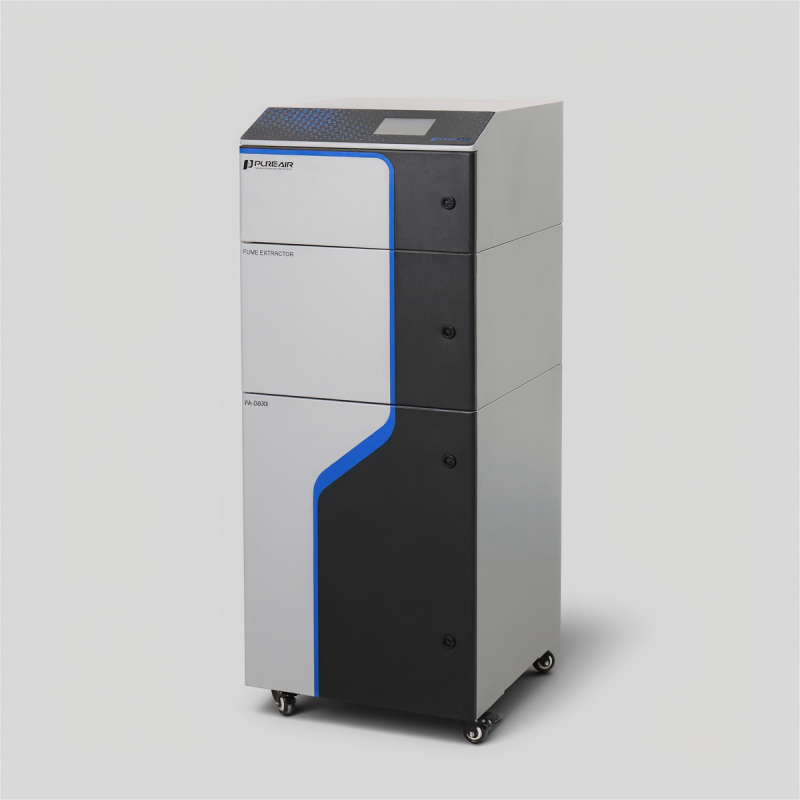
We know particles and VOCs matter: particulate matter, ozone, and volatile organic compounds travel fast. So I ask you: when you pick equipment, are you choosing the tool that actually removes the bad stuff, or just the one that looks tidy on the bench? I’ll walk you through what I’ve learned — the smells, the numbers, the practical mistakes — and then show how to choose better. Next up: why most common systems underdeliver.
Why common laser fume extraction systems fail in practice
Let me be blunt: many manufacturers design for ideal lab conditions, not the messy reality of your production floor. I’ve inspected setups where a brand-new unit sat idle because its HEPA filter clogged within days, or where the activated carbon bed barely reduced odors. Two big technical reasons keep repeating: poor matching of airflow rate to source capture, and a filter cascade that wasn’t sized for the contaminant load. When airflow is wrong, you get turbulence that disperses fumes instead of capturing them. When filters are underspecified, filtration efficiency drops sharply — fast.
What goes wrong most often?
First, people underestimate capture velocity at the nozzle. If your extractor’s fan motor can’t sustain the designed airflow against restrictive ducting, the hood becomes decorative. Second, filter selection is often one-size-fits-all; VOCs need proper activated carbon stages, ultrafine particles demand true HEPA media. Third, maintenance is ignored — filters loaded with condensed oils or metal particulates kill performance. Look, it’s simpler than you think: match capture hood, duct length, filter media, and fan capacity to your material and process. — funny how that works, right?
New principles and picking the future-ready extractor
I want to shift toward solutions and the tech that really helps. Modern designs combine variable-speed fans, modular filter banks, and sensors that monitor differential pressure and VOC levels. These elements let a system adapt: the fan ramps up only when needed, filter stages swap in for different job mixes, and edge computing nodes (yes, that buzzword does real work here) log events so you can preempt failures. In practice, this means you get steady capture without constant manual tinkering.
Compare two simple approaches: a static unit with fixed fan speed versus a system with closed-loop control and real-time airflow feedback. I’ve seen the latter reduce filter change frequency and keep lab air safer. If you want a forward-looking setup, demand systems that report filtration efficiency and airflow in clear numbers. What’s next — real-time alerts, better lifetime data, predictive maintenance. You’ll know when a module’s nearing saturation before it becomes a problem.
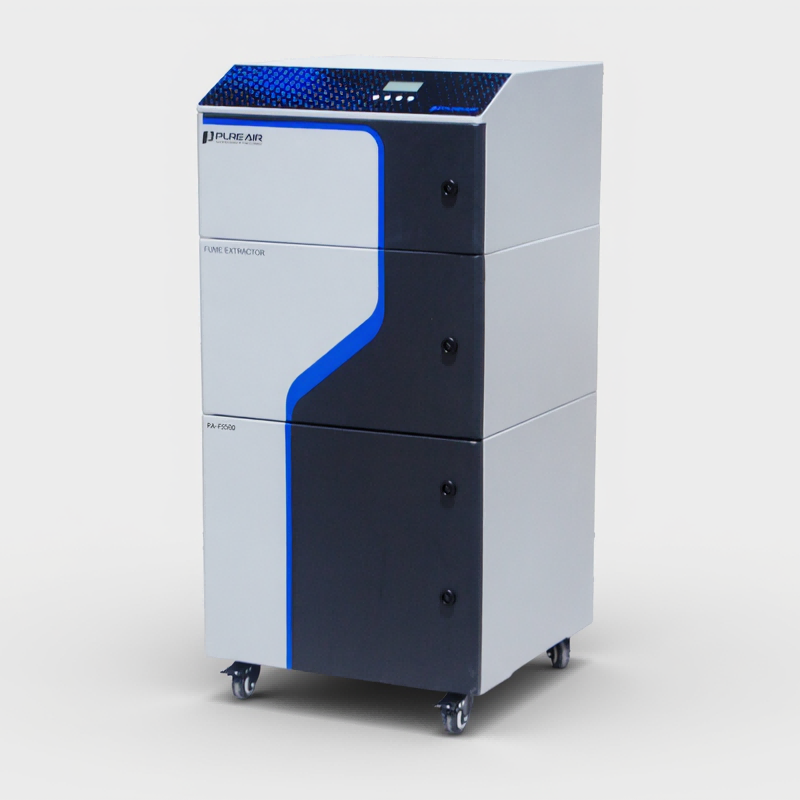
How to evaluate options now
I’ll close with practical advice — three metrics I use when testing or buying extractors. First, capture hood effectiveness: measure actual capture at the source, not just stated CFM. Second, total system resistance: check fan curves against duct and filter pressure drop. Third, validated filtration: insist on lab reports for HEPA and carbon stages under conditions similar to your process. These three give you measurable confidence. I’m not selling hype; I’m telling you what I’d insist on in my shop.
We all want a safer, simpler workspace. Choose tools that report real performance, and set up maintenance routines that match your workload — because a brilliant sensor without upkeep is just expensive clutter. For practical, tested systems, I’ve worked with options from trusted specialists — see brands like PURE-AIR for reference.