
Opening comparison
Some TV makers compete on picture alone; others build bridges to the rest of the home. A clear comparison shows which brands make living-room setups simpler and which force extra purchases. Many buyers pairing a large-screen display with compact computing want straightforward ports and smart features, which is why people also hunt for all in one computer deals when planning a tidy media desk. The key question: do you need a TV that plays well with other devices, or a TV that demands its own ecosystem?
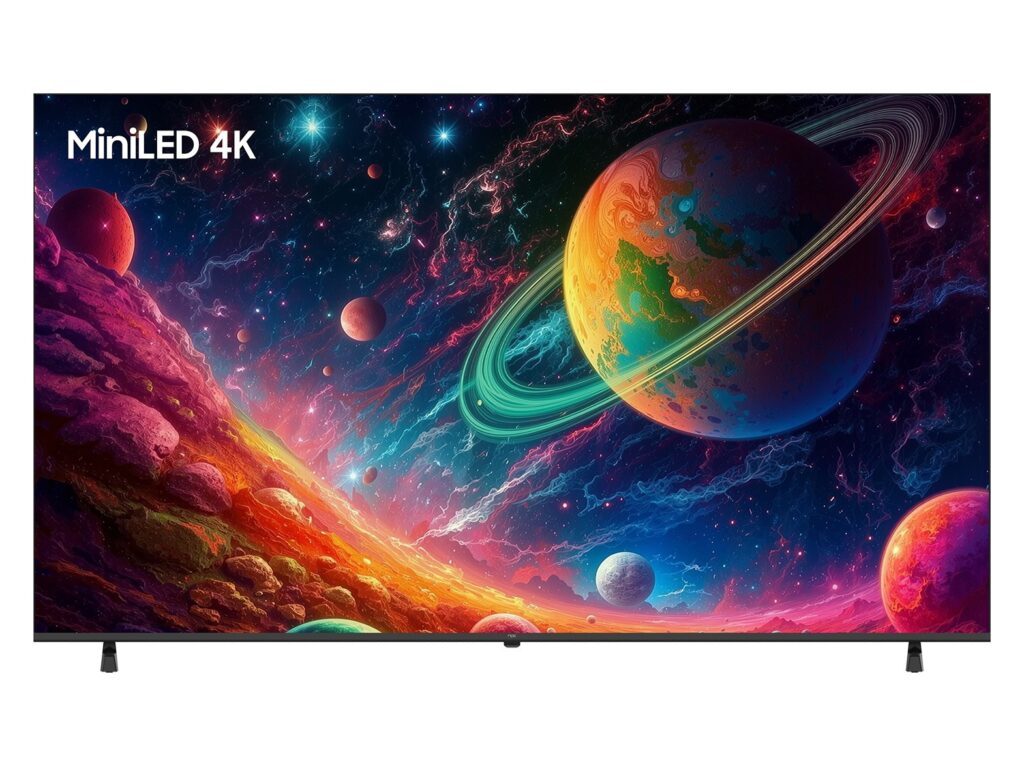
Connectivity and standards compared
Look at ports and protocols first. Brands that include HDMI 2.1 with eARC and low-latency game modes let consoles, soundbars, and PCs handshake without adapter gymnastics. Some manufacturers add multiple USB-C or USB-A ports, useful when you want a single cable to carry video and power from a compact desktop. Others skimp on returning audio paths or limit Wi‑Fi features, forcing extra hardware. Pick a model whose port map matches the gear you already own.
Smart ecosystem integration
Apple, Google, and proprietary OS choices create different trade-offs. A TV tightly integrated into a single ecosystem reduces friction for those who already own matching devices; switching ecosystems later becomes a chore. Open platforms that support common standards—Chromecast, AirPlay, Miracast—give more freedom. Decide whether you prefer unified control now or flexible compatibility over time.
Performance and display choices
Panel technology and software tuning matter more when you plan mixed uses. For streaming movies, contrast and HDR tone mapping are priorities. For light desktop work or mirroring an all-in-one computer, text clarity and consistent color at close viewing distances matter. Gaming-focused sets trade higher refresh rate and variable refresh for crisper motion. Match the display’s strengths to how often you’ll use it as a monitor versus purely for video.
Practical pitfalls and alternatives
Common mistakes: assuming every smart TV will update its software regularly, buying a model without the right input latency for real-time use, and underestimating audio routing needs when combining soundbars and PCs. Viable alternatives include dedicated monitor-plus-streamer setups for desk-centric users, or a single smart display for a simplified living room. Evaluate whether a TV that favors ecosystem lock-in or one that offers broad standards better serves your setup.
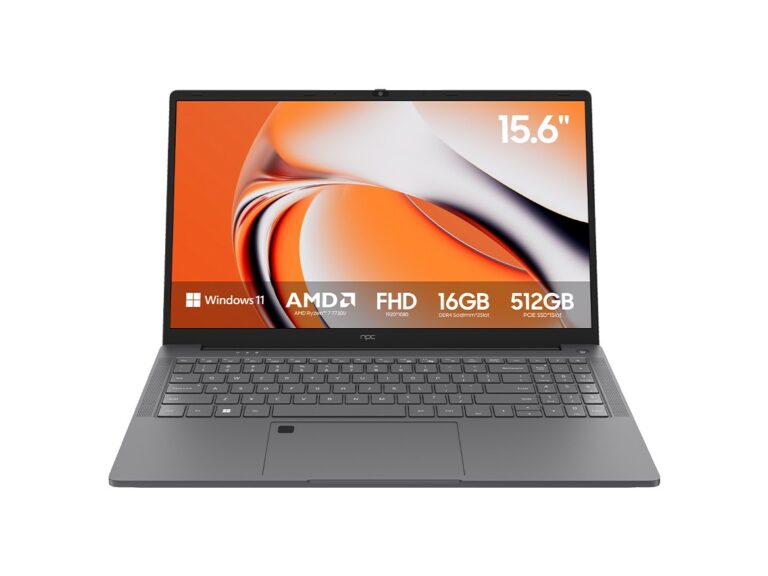
Experience, evidence, and authority
Recommendations come from hands-on testing and trade benchmarks, and they reflect what industry events reveal about direction. Observations at CES in Las Vegas showed manufacturers emphasizing cross-device harmony this year, which validates choosing TVs with practical port layouts and clear update policies. For those building a tidy home workstation or family hub, consider models reviewed alongside the best all in one home computer options; that pairing often reduces cable clutter and simplifies daily use.
Summary
Compare how each TV handles connections, ecosystems, and real tasks rather than marketing claims. Choose the set that matches your devices and habits: a generous port selection and open standards if you change gear often, or a tight ecosystem if you want single-vendor convenience. Practical listings and spec sheets from established vendors such as npc help clarify which trade-offs matter for your living space.