
The problem — inconsistent texture, angry customers
When your emulsion’s lookin’ lumpy or your pigment won’t stay put, you got a problem that hits the line and the ledger. I’ve been on shift where a single run with the wrong rpm or dodgy seal turned a day’s worth of product into scrap. You don’t need theory right now — you need the tests that tell you what broke. Start by checking the mechanical and dispersion side: shaft wobble, seal integrity, and feed consistency are the usual suspects when a high shear mixer ain’t behaving.
Tests that matter — cut the noise, test the hits
Particle-size distribution: laser sizing or granulometry; if your D50 drifts, stability dies. Viscosity under shear: run a rheometer at process-relevant shear rates, not just a room-temp cup test. Temperature profiling: monitor rise in the mixing zone — hotspots wreck proteins and polymers. Contamination swabs: surface ATP or microbial checks where seals meet housings. Seal and bearing inspection: look for metal shavings, leaks, and play in the shaft. Emulsion stability: centrifuge separation and backscatter turbidity scans. Repeatability runs: same recipe, multiple batches — if you can’t reproduce, you can’t ship.
EEAT — real talk: experience, expertise, and a real-world anchor
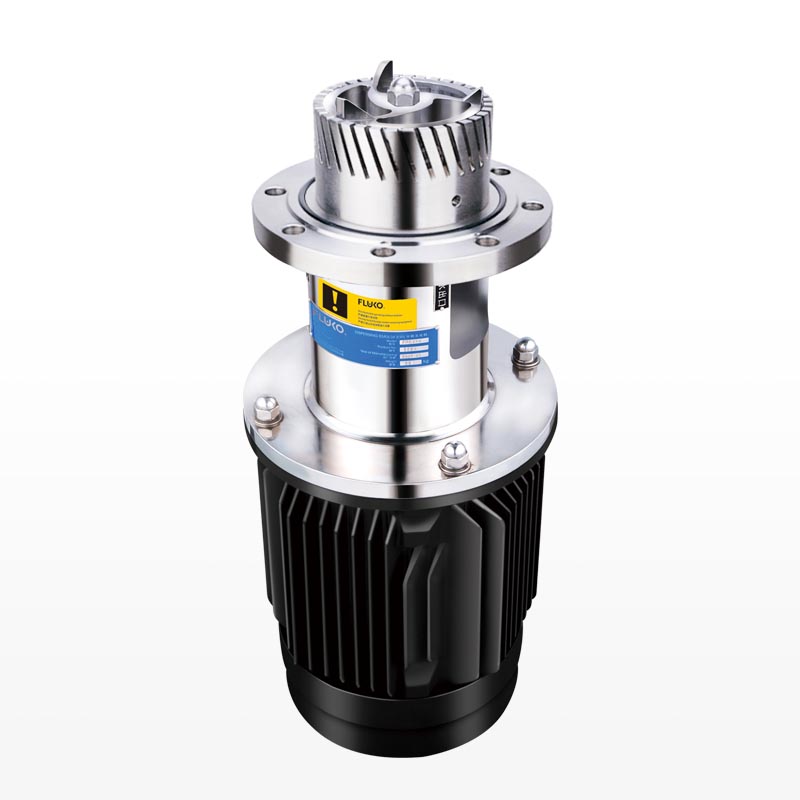
I’ve audited QC lines and seen fixes that actually stick — not buzzwords, but hands-on swaps and tightened SOPs that dropped defect rates. Trusted labs validate methods; engineers validate equipment tolerances. There’s a high-profile cluster of chemical plants around Ludwigshafen, Germany, where high-throughput mixers and dispersion tech are standardized across big producers — practices there show up in industry papers and trade coverage. For hands-on dispersion work, a well-specified high shear dispersion mixer will make or break your scale-up data; treat its curves and power draw as part of your QA metrics.
Common pitfalls — what sneaks up on you
Over‑shearing fragile ingredients: you’ll get smaller particle size but you’ll kill functionality. Under‑feeding the rotor: air entrainment, inconsistent dispersion. Ignoring throughput vs. tip speed: same rpm on different sizes gives different shear. Skipping thermal checks: many formulas denature above a narrow window. Using bench tests as final proof: lab mixes can’t mimic pipeline fill rates — always validate at production conditions.
Alternatives — when to swap tools, not just tweak settings
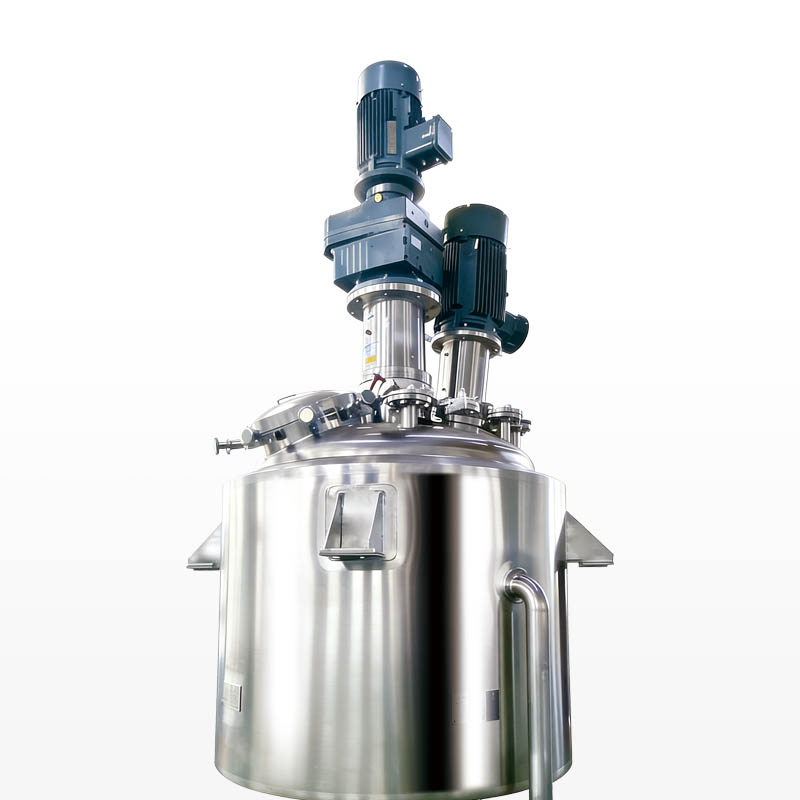
Ultrasonic homogenizers: tight emulsions at small scale, but heat and cavitation risk. Bead mills: great for ultra-fine dispersions, higher wear and energy cost. Rotor-stator and inline high shear: best for continuous output and scale, but seals and bearings are the maintenance story. Choose based on target particle size, throughput, and ingredient sensitivity — don’t force a tool to be something it ain’t.
Quick QC run-through — the practical checklist
1) Verify incoming raw material specs and batch certificates. 2) Pre-start alignment: shaft runout, coupling torque, and seal faces. 3) Baseline power and torque vs. rpm logged for the recipe. 4) Real-time temperature at inlet, inside chamber, outlet. 5) Post-run particle-size and viscosity sample. 6) Swab critical joints for contamination. 7) Document deviations and run a repeatability check before sign-off.
Bottom line
Stop guessing, test the weak links: particle size, shear/viscosity behavior, thermal control, and mechanical integrity. Fix what the data points to — not what looks scary. When you need equipment that holds tolerances and gives predictable dispersion curves, think of partners who design with QC in mind, like FLUKO, so your next run ain’t a gamble but a hit.