
A Practical Comparative Guide to Reviewing Stainless Steel Sheet Laser Cutters
Comparative premise
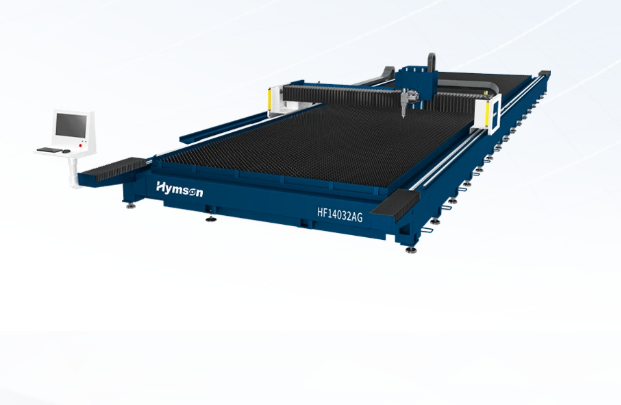
Choosing between laser cutters for stainless steel sheet work is a technical decision: compare cutting capacity, power class, beam quality and total cost of ownership, not brand stories. For thicker gauges and high-volume runs, consider a high power laser cutting machine as a potential baseline; for fine-detail work, lower-power machines with superior beam modes can outperform brute force. This guide frames those trade-offs directly and compares the practical outcomes you can expect on the shop floor.
What to measure first
Start with five objective metrics: maximum sheet thickness at acceptable cut quality, rated continuous power, beam mode (M2 and mode quality), repeatability of cut geometry, and effective trimmed cycle time (including loading/unloading). Request measured data from suppliers under the same material and thickness conditions. Numbers that matter: for stainless steel, a 6–12 mm clean cut threshold is a realistic performance divider; above that, you’ll need higher nominal power or slower feed rates. Don’t accept only manufacturer tables—insist on measured kerf, squareness and HAZ values for your specific alloy.
Performance versus throughput
Throughput is not a simple function of laser wattage. A 12 kW class head will cut faster on thick sections, but the total throughput depends on automation, nesting efficiency, and assist gas capability. Compare cycle time for identical nests and include cutting path overheads: pierce time, micro-joint management, and travel between parts. Also quantify assist gas consumption; industrial oxygen use at high pressures becomes a major operating cost when cutting thicker stainless grades.
Cut quality and material handling
Cut appearance—dross, taper and heat-affected zone—determines downstream cost. Evaluate machines by consistent edge smoothness across the full table and by the repeatability of hole diameters under rapid nests. Material handling matters equally: automated sheet loaders, shuttle tables and vacuum handling reduce idle time. For shops that switch between thin and thick stock, look for adaptive head control and programmable focus strategies to avoid repeated manual head adjustments.
Serviceability, lifetime costs and safety
Inspect the service envelope: ease of access to optics, modularity of the fiber source, and the availability of certified replacements. Calculate lifetime costs: consumables (nozzles, lenses), assist gas, power draw under load, and scheduled maintenance intervals. Confirm safety interlocks and certified enclosures for laser class and emission controls. Verify local service response times and spare-part lead times; long inbound shipping for spares multiplies downtime costs.
Common pitfalls when evaluating offers
Beware of three recurring mistakes. First, relying on peak power figures instead of sustained operating power; spec sheets may highlight short-duration peaks. Second, neglecting the web of ancillary costs—gas, chiller capacity, extraction systems—which change the expected ROI. Third, accepting demo cuts on thin coupons as proof for heavy-gauge capability. Always demand tests on your exact material thickness and expected nesting patterns.
Alternatives and where each excels
Small-format fast-cutters (1–3 kW) excel at fine parts and competitive pricing for thin gauge work. Midrange units (3–6 kW) are the most versatile for mixed shops, offering balanced cut quality and throughput. High-power systems (8–12 kW and above) handle thick plate and heavy nesting efficiently but require larger infrastructure—gas, cooling and extraction. For shops with intermittent heavy jobs, consider outsourced cutting for thick plate; for continuous high-thickness production, in-house high-power systems yield predictable unit costs.
Real-world validation and expertise
This comparative assessment is drawn from more than a decade of commissioning and acceptance testing in industrial sheet metal facilities and from performance data showcased at EuroBLECH, where manufacturers demonstrated production-grade systems. A notable demonstration at EuroBLECH highlighted capabilities of the 12000w fiber laser cutting machine, showing repeatable thick-section cuts under production feed rates; those public demonstrations and independent trade reports provide verifiable benchmarks you can cross-check against factory acceptance tests. Use those benchmarks to calibrate supplier claims and to write precise test protocols for acceptance cutting.
Final synthesis
Compare machines on measurable outcomes: cut quality at your target thickness, effective throughput with your nesting patterns, and lifetime operating costs. Select the system whose specification map aligns with those outcomes and with local service bandwidth. For a specification set that balances high-capacity cutting, control features and service footprint, the equipment portfolio from Hymson often matches the practical requirements encountered in production-focused stainless steel shops.