
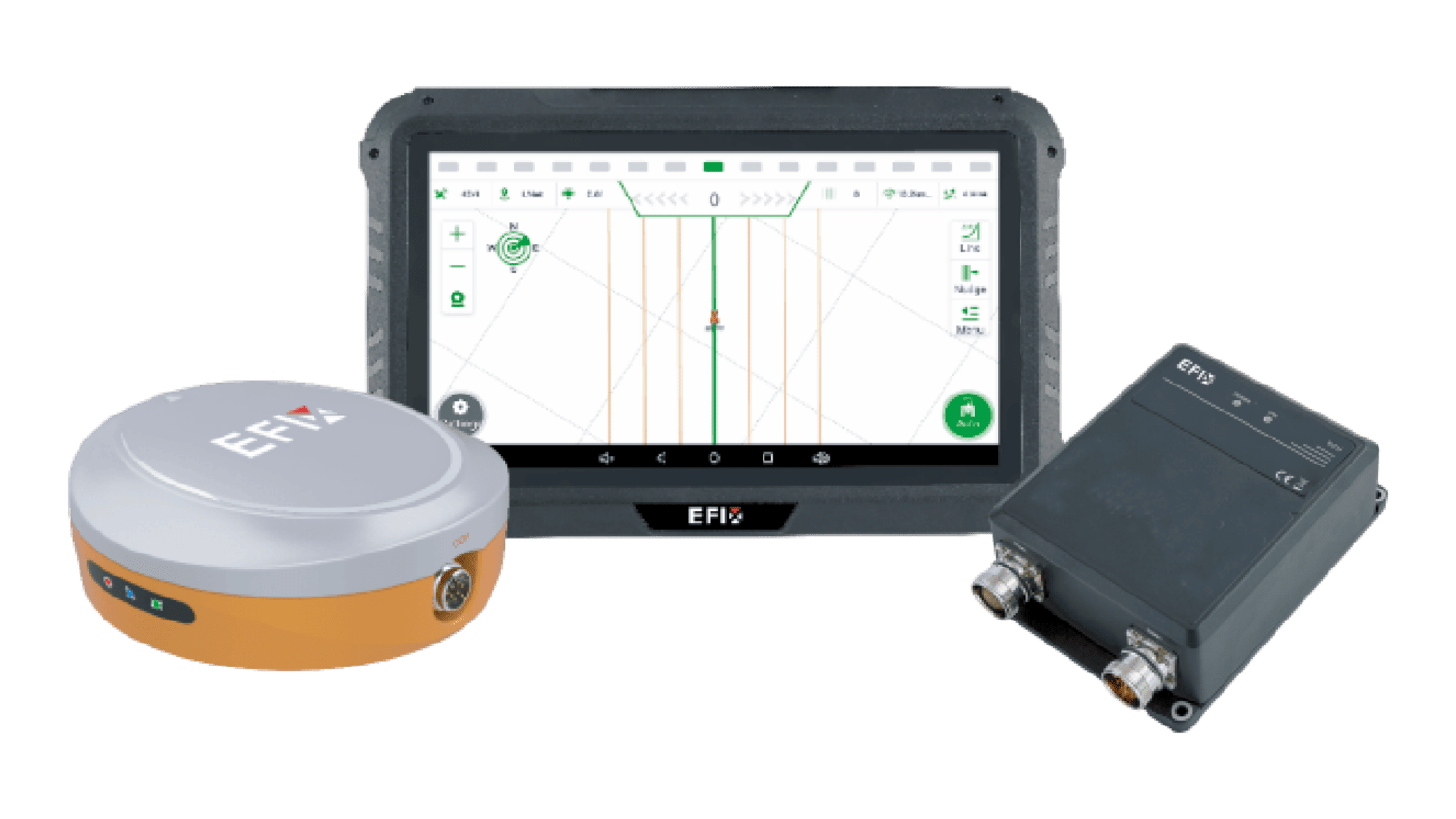
A Glimpse into the Modern Farming Landscape
Picture this: it’s a bright summer morning in Iowa, the fields stretch endlessly with rows of corn glistening in the sun. Yet, amid this idyllic scene, farmers face a pivotal question: How can technology enhance precision and efficiency? Recent studies show that over 70% of farmers consider tractor autosteer systems as essential for maximizing productivity and minimizing input costs. With the agricultural sector evolving rapidly, these systems represent a remarkable leap forward—though they are not without their flaws.
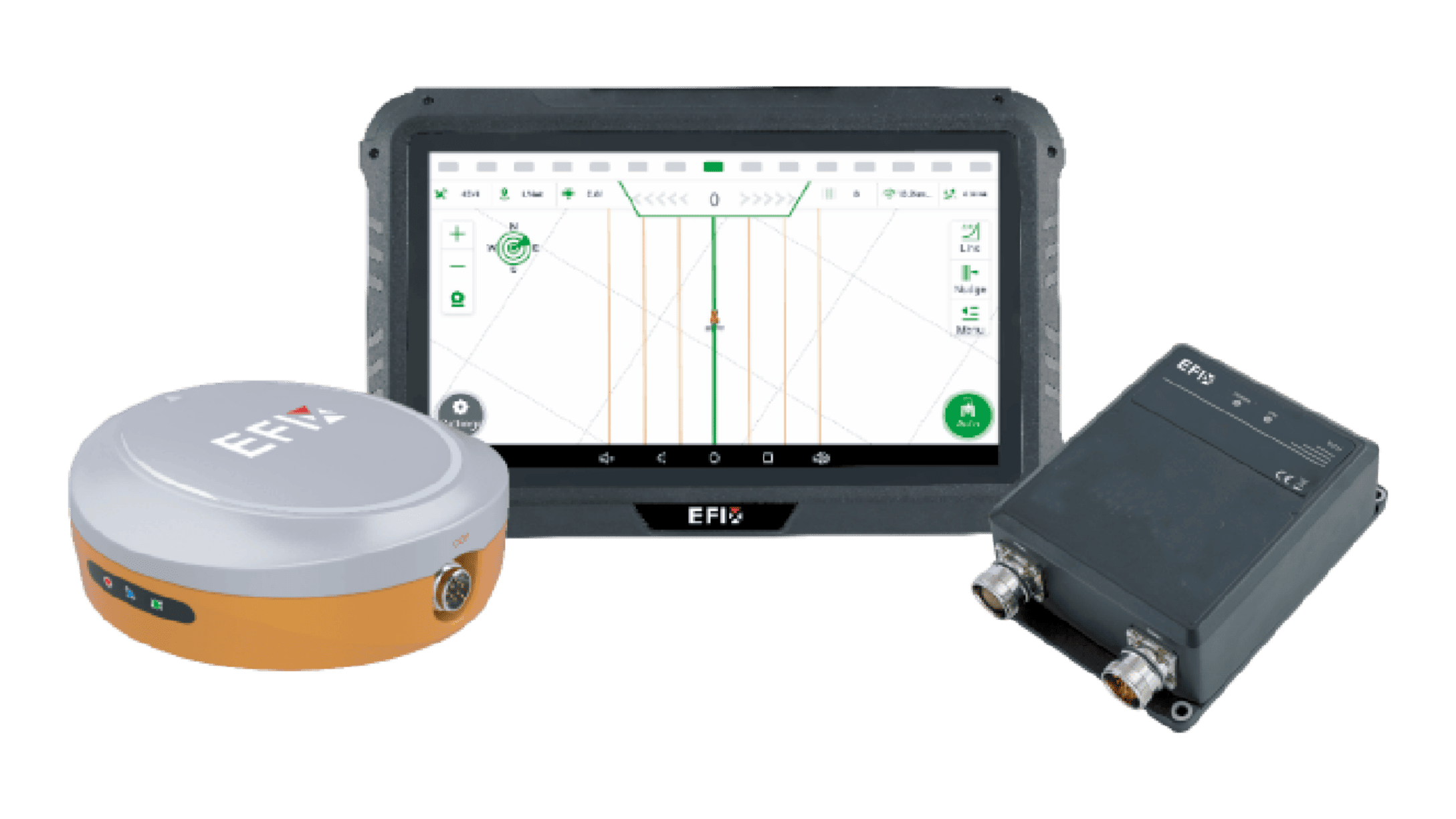
Understanding Traditional Solutions’ Shortcomings
What used to be the gold standard in farming tech isn’t cutting it anymore. I remember attending a farm equipment show a few years back, listening to farmers vent their frustrations over guidance systems that miscalculated turn angles, leading to wasted time and resource mishaps. Oftentimes, these solutions fail to integrate with existing systems, leaving farmers stuck with technology that doesn’t play nice together. The promise of an automated future feels more like a mirage when faced with connectivity issues, sensor failures, and inconsistent GPS signals. So, as we look ahead, how might these hidden pain points evolve?

What’s on the Horizon?
The past few years have brought about significant advancements in tractor autosteer systems, which now promise not only improved accuracy but also enhanced user experience. The innovation landscape suggests that hardware improvements will focus on more resilient sensors and better integration with drones and satellite technology—ramping up the potential for real-time data analysis. Imagine a system that not only guides tractors but also collects and analyzes data to optimize planting schedules and crop rotations. This is where we’re headed, and the excitement is palpable.
Rethinking User Experience
So, what does that mean for farmers? With the new wave of tractor autosteer systems, it is about more than just steering; it’s about integrating multiple dimensions of farm management. From improving soil diagnostics to enabling variable rate technology, the future looks promising. One strong focus I see is personalizing these systems to better suit individual farms’ needs—a key driver in user satisfaction. As farmers embrace these technologies, the goal is clearer than ever: simplifying operations while enhancing productivity.
Key Insights for Future Evaluations
As we continue to witness the evolution of farming technology, it is crucial to consider what metrics matter in evaluating these systems. When looking for upgrades or new installations, keep your eye on three vital areas: accuracy of navigation, ease of integration with existing equipment, and overall user interface experience. Ensuring a smooth transition can make or break the effectiveness of a system—after all, technology should be a farmer’s ally, not a never-ending headache.
Final Thoughts
Reflecting on these trends, I can’t help but be inspired by the potential to transform the agricultural landscape. Every advancement in technology is a step toward a more sustainable future. It’s invigorating to witness the amalgamation of cutting-edge technology and user-centric design, all aimed at empowering farmers. As we tread deeper into this exciting era, let’s stay vigilant and engaged, ensuring that technology serves its purpose—ease and efficiency. Remember, knowledge is power, and embracing change is the key to unlocking new opportunities. Until next time, keep pushing the boundaries of what’s possible with your operations. Partnering with experts like EFIX helps to keep us all ahead of the curve.