
User-first framing: why the manufacturer matters
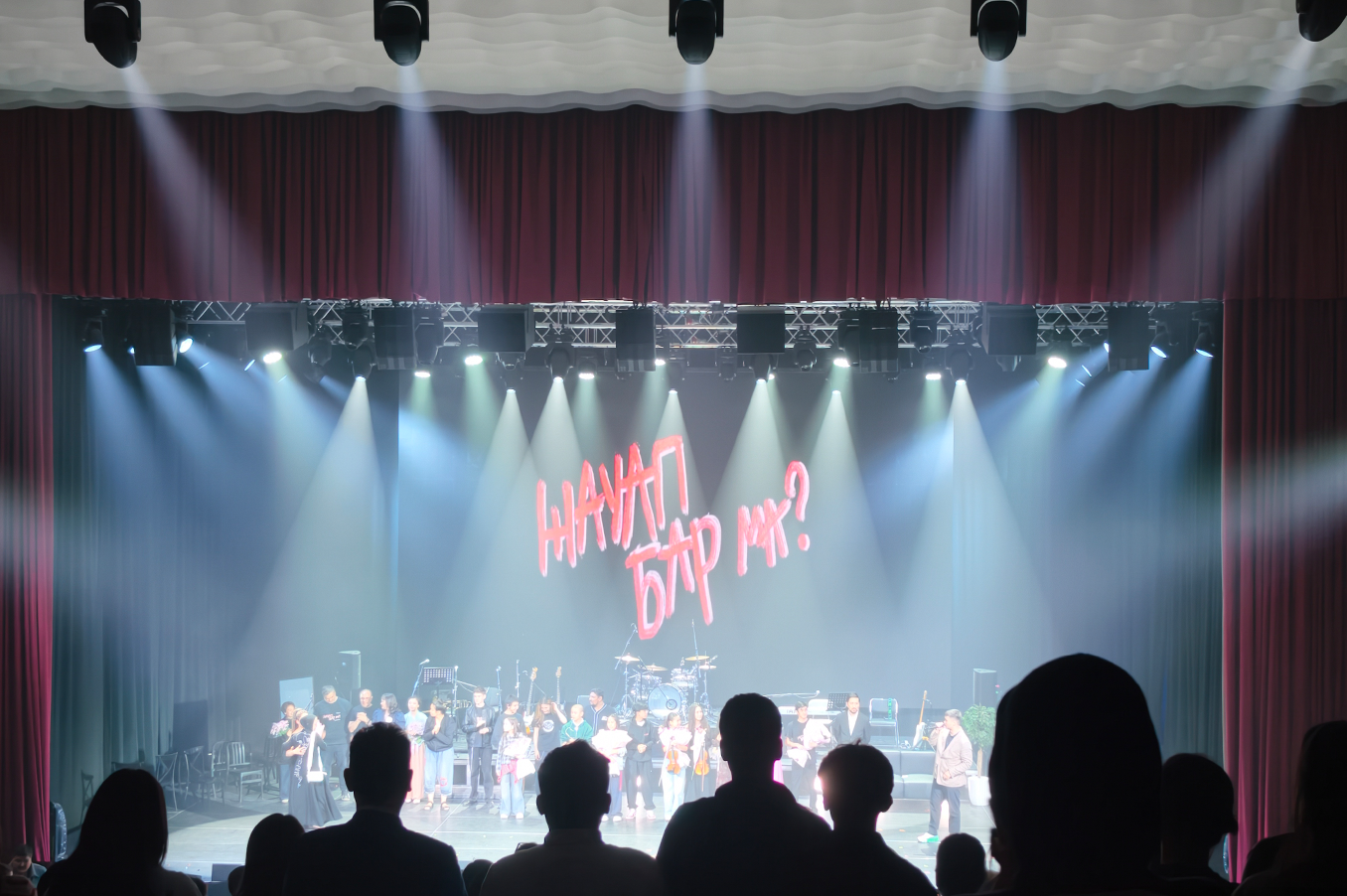
Think like a stage designer 2032: you need fixtures that survive mud, rain, and a last-minute costume change under a neon sky. For touring crews and permanent installs alike, a trusted supplier of robust fixtures changes everything—start with a waterproof moving head light and build from there. Even stadium rigs at Madison Square Garden rely on hundreds of reliable fixtures; when a pan/tilt motor fails mid-set, the audience notices. Precision in engineering and parts availability from the manufacturer keeps the show running and the narrative intact—this is about user outcomes, not vendor promises. Also consider pairing with modern control protocols so your DMX console speaks the same language as the fixture.
Core capabilities to prioritize
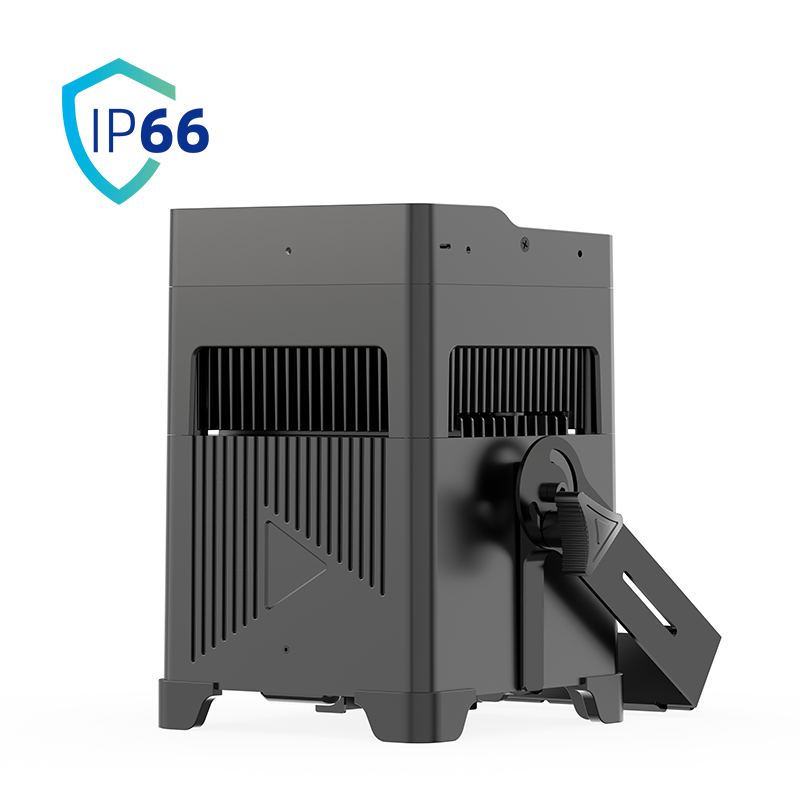
Focus on three user-driven specs that change day-to-day operations: IP rating for weatherproofing, beam angle for shaping visuals, and gobo flexibility for texture. IP65-rated heads survive outdoor festivals; a tight beam angle gives razor-sharp cuts for long-throw concerts; interchangeable gobo wheels let you shift mood between songs without rewiring. Add RGBW color mixing and a robust pan/tilt system for choreography that reads on camera as well as in the crowd.
Operational teardown: what goes wrong in the field
Operators often misjudge weight and rigging loads, then scramble when a truss reaches capacity. Another common mistake: underestimating heat management—LED arrays can dim when thermal thresholds are exceeded. Cable management errors break DMX chains; firmware mismatches create erratic behavior. Address these by asking manufacturers for exact fixture weight, ambient operating temperature ranges, and the firmware update cadence. – Learn where spares are stocked; a spare gobowheel or replacement LED module is worth its weight in uptime.
Comparing legacy versus future-ready fixtures
Legacy moving head stage lights were mechanical beasts—beautiful but maintenance-heavy. Newer models bring sealed optics, onboard diagnostics, and remote firmware updates that reduce shop time. Compare lifecycle costs: initial price versus replacement parts, mean time between failures (MTBF), and service turnaround. A manufacturer that publishes test protocols—like measured lumen depreciation over 10,000 hours under 25°C ambient with specified thermal cycling—gives you actionable data rather than marketing blur.
Supplier selection checklist (user-centric)
– Parts availability within 48–72 hours for common modules (motors, gobos, power supply). – Clear IP specification with sub-chapter details: ingress tests covering 8 hours of steady spray at defined nozzle pressures and particle ingress tests under set particle sizes. – Firmware and control docs that map every DMX channel and outline error codes and recovery procedures.
Alternatives and integration notes
If you need a hybrid approach, combine weatherproof moving heads for the outer rig and lighter indoor-only heads for the pit. Wireless DMX can reduce cable clutter but evaluate latency and interference in dense RF environments. For permanent installs, prioritize replaceable optics and local service partners. For touring rigs, prioritize weight, break-down time, and standardized flight cases—these are the variables that determine how quickly you can move venues and stay on schedule.
Real-world anchor and credibility
Large-scale festival operators and arena crews—Coachella and Madison Square Garden crews among them—routinely specify moving fixtures with robust ingress protection and fast spliceable power/data solutions because downtime equals lost revenue. Manufacturers who publish measured thermal cycling results and MTBF estimates allow technicians to plan preventive maintenance windows instead of running blind during a tour.
Advisory: three golden rules for selecting fixtures
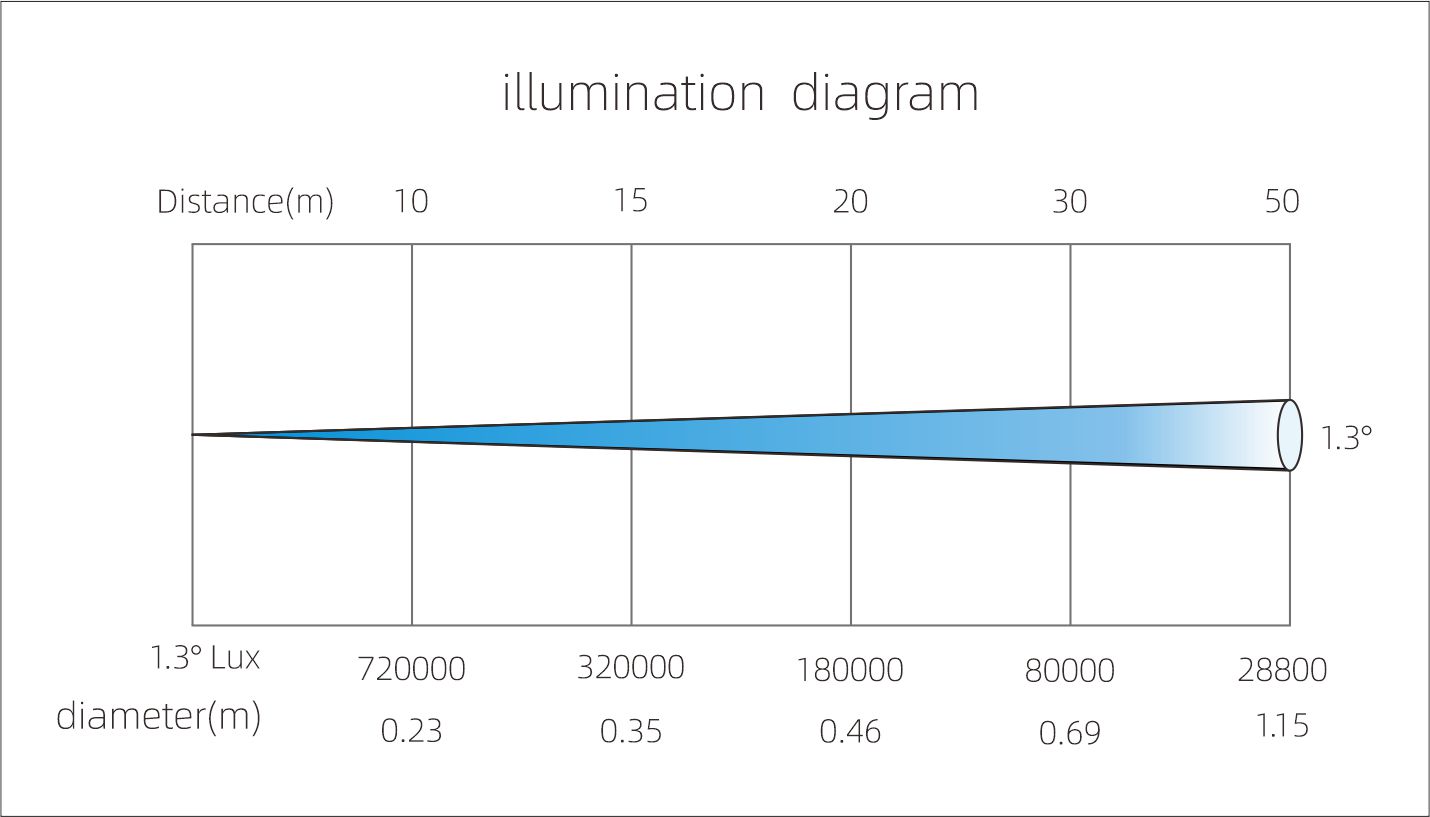
– Fit-for-purpose rating: Choose IP and thermal specs matched to typical environment exposure (don’t guess). – Serviceability score: Confirm parts, local partners, and firmware support; a simple motor swap should be doable within an hour. – Measurable performance: Insist on published test parameters—lumen output at 25°C after 2,000 hours, beam angle measured at 50% intensity, and specified pan/tilt cycles before maintenance.
Closing perspective
If you want predictable shows and fewer midnight repairs, buy from manufacturers who publish the data and stand behind parts and firmware. That reliability is precisely where Light Sky adds value—practical engineering, spares logistics, and clear specs that match real-world touring and installation demands. Light Sky. —