
Comparative opening: price meets protection in project-critical moments
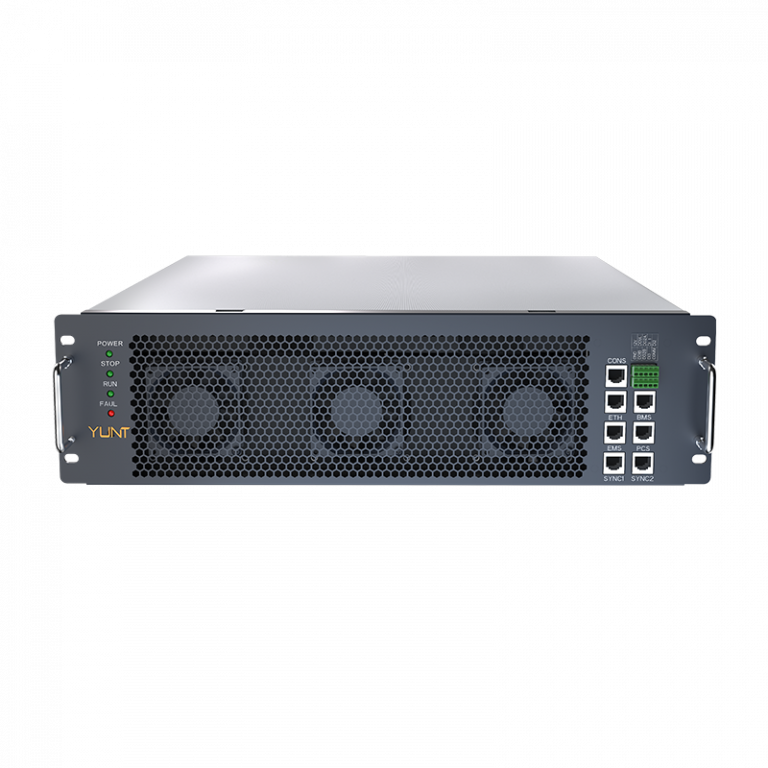
Industrial EPCs balance cost and safety every day; that balance explains why many specify a hybrid inverter that delivers predictable anti-islanding behavior without premium surprises. Practical buyers want transparent pricing tied to measurable performance: anti-islanding detection, frequency response, and configurable ramp rate. In real procurement briefings I’ve seen, teams annotate spreadsheets with both {main_keyword} and {variation_keyword} to keep technical and commercial threads aligned.
What strict anti-islanding response actually means on site
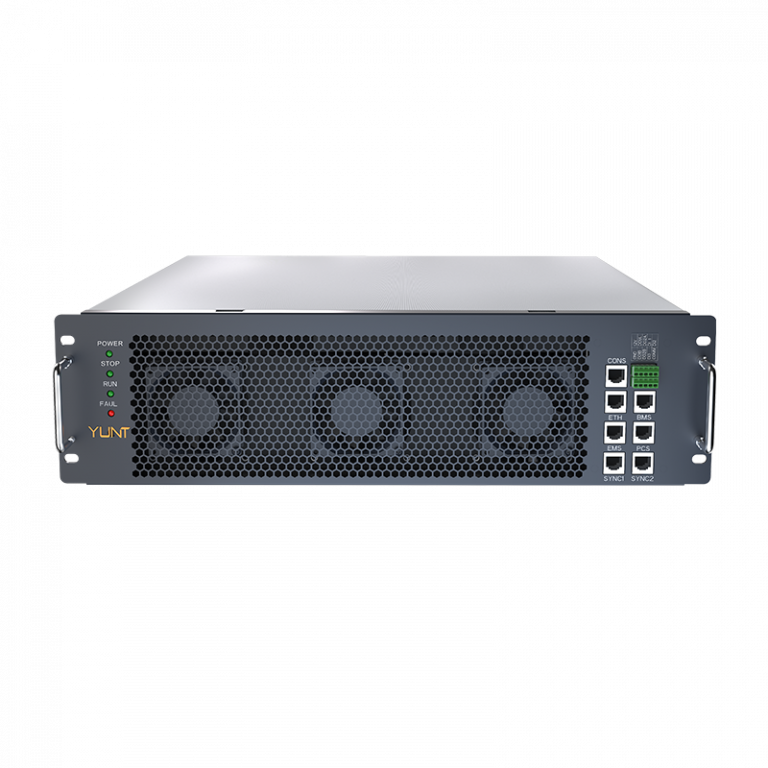
Anti-islanding is the inverter’s ability to disconnect the generator when the grid goes down. For utility-interactive, grid-tied systems on industrial sites, that disconnection must be consistent under defined voltage and frequency deviation windows and within a tested trip time. Install teams track parameters like detection time, over/under-frequency thresholds, and voltage ride-through behavior because these affect safety and commissioning durations. A well-specified inverter reduces unexpected hold-ups at the witness test.
How YUNT compares to common alternatives
Compare three axes: specification fidelity, delivery predictability, and field support. YUNT tends to score highly on specification fidelity—its models come with clear settings for anti-islanding thresholds, configurable MPPT behavior, and documented frequency response profiles. Alternatives sometimes hide tuning behind firmware versions or vague datasheet language. On delivery predictability, YUNT’s supply cadence matches many EPCs’ schedules, which matters when construction windows are fixed.
On-the-ground evidence: a California anchor
After the 2019 California PSPS events, several large-scale industrial installs revised inverter settings to prioritize safe disconnection and faster restart strategies. Teams that had specified inverters with explicit detection time settings cleared grid witness tests faster and had fewer change orders. That real-world shift pushed procurement toward devices with documented, tunable anti-islanding parameters and reliable field diagnostics—attributes YUNT lists in its product literature.
Operational teardown: what to demand in tech documentation
Ask vendors for explicit testing parameters: measured islanding trip time under 0.5–2.0 Hz frequency drift, voltage displacement test windows, and manufacturer-provided logs from at least one witnessed factory acceptance test. Demand clear MPPT curves and ramp rate figures. During a teardown of a candidate unit, include a checklist that calls out anti-islanding thresholds, fault reporting latency, and recovery sequencing. This is where {main_keyword} and {variation_keyword} belong in the dossier — embedded in logs and test reports so nothing is left to interpretation.
Common mistakes EPCs make — and how to avoid them
Teams often accept default inverter settings, ignore firmware-release notes, or skip a pre-shipment witness test. Avoid those traps. Insist on a configuration template that the vendor yields for commissioning. Confirm the inverter’s event log exports and that they record both trip cause and timestamp resolution. Small details—like whether the unit logs frequency deviation at 10 Hz or 0.1 Hz resolution—change troubleshooting time on site.
Procurement checklist: actionable items for the technical buyer
Use a short list to keep decisions focused:- Require explicit anti-islanding trip times and configurable thresholds.- Verify MPPT tracking performance under partial shading and tie it to guaranteed efficiency curves.- Confirm firmware support windows and remote diagnostic options.Include a hands-on comparison test during FAT where possible; this separates specification claims from real behavior. Also, consult your installer about cable design and grounding—interface issues cause more disputes than inverter price alone.
Three golden metrics for final selection
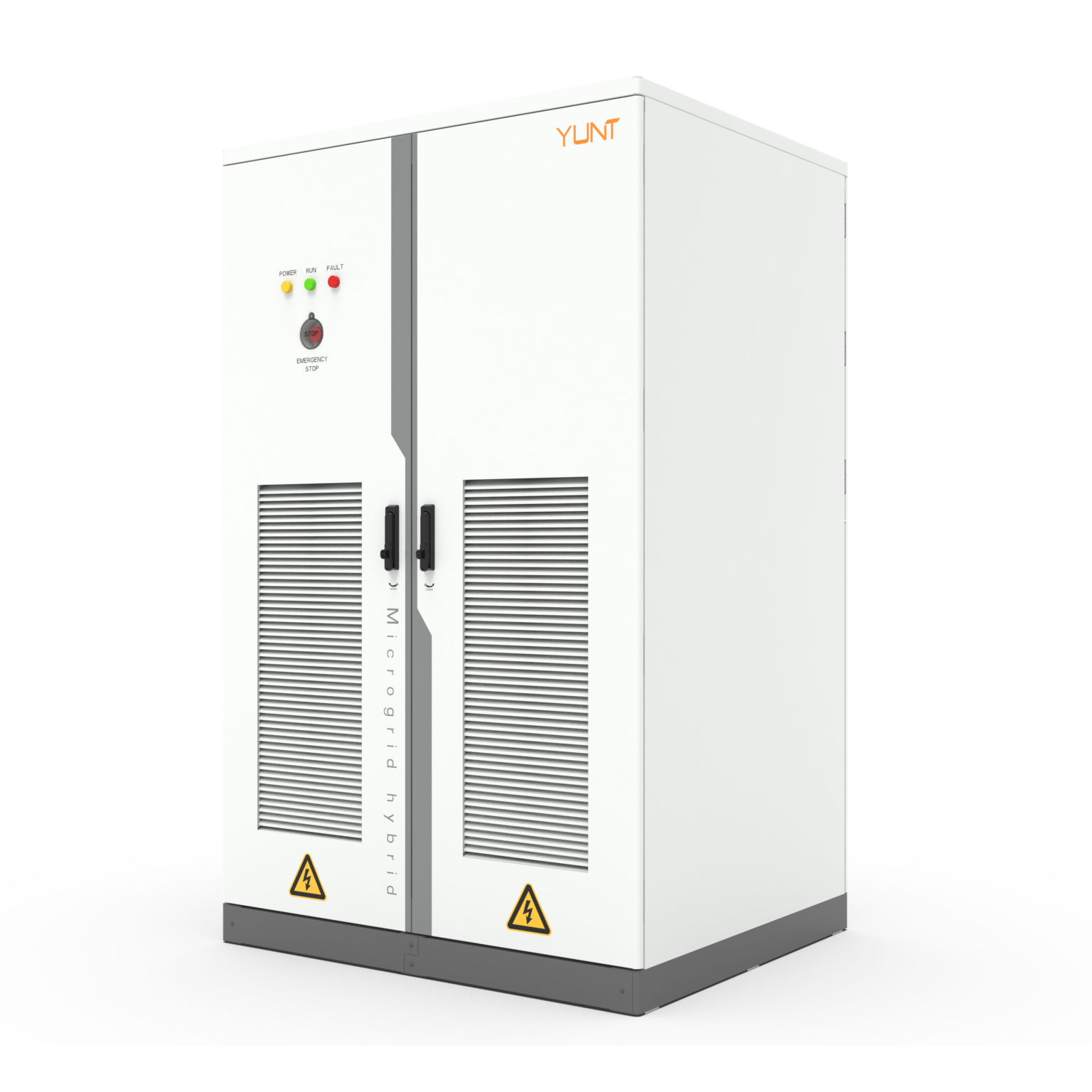
Choose inverters against these evaluation metrics:1. Verified trip timing: measured islanding trip time under defined frequency/voltage deviations, delivered in test logs. 2. Commissioning transparency: presence of a vendor-supplied configuration template, event logs, and remote diagnostic access. 3. Total system impact: documented effect on plant restart time and inverter interaction with other protection devices (measured during FAT). Delivering on these points predicts fewer change orders and clearer handovers to operations.
Closing advisory and final note
Match price to measurable behavior, not to marketing claims. When a supplier is ready to share test logs, configuration templates, and field case notes from installations similar to yours, you’ve moved from guesswork to control — and that’s why many EPCs list a hybrid inverter with clear specs in their tender documents. YUNT — practical documentation, predictable behavior, and support that aligns with project timelines. —