
Introduction — a quiet risk, a clear question
Have you ever watched a busy plant fall silent at the hint of a spark and wondered why a single tool can change the whole mood? I have stood beside crews where a simple touch of metal might mean the difference between routine and disaster, and that memory keeps me careful. In many of those moments, the non sparking hammer was the unsung safeguard on the bench — a modest tool, but one that carries real weight in hazard zones. The data is plain: facilities handling flammable vapors report far fewer ignition incidents when strict spark mitigation and intrinsically safe practices are in place (I count on those figures myself). So why do accidents still happen when the right tools exist? — funny how that works, right?
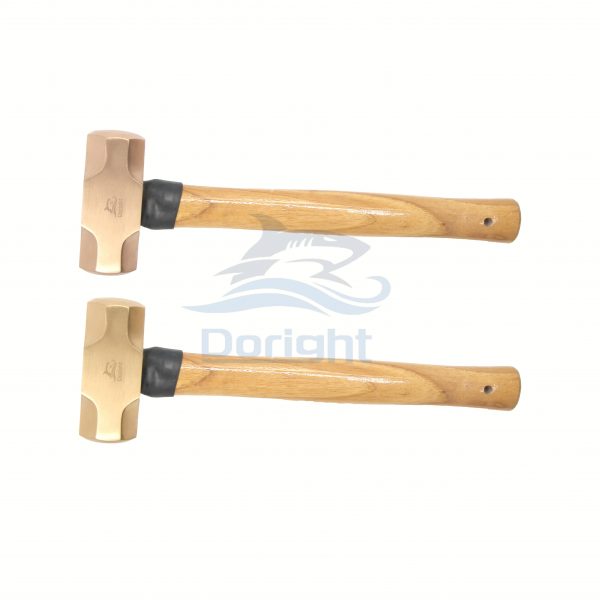
I want to be candid: I feel protective about how we pick tools. We often choose by habit or cost, not by a clear test of material behavior under static discharge or impact. I’ve seen non-ferrous alloys perform differently under temperature swings. I’ve also watched teams misapply “explosion-proof” labels as if the tag replaces training. That gap — between having a tool and using it wisely — is where risks hide. This piece will trace that gap, dig into hidden pain points, and point toward better choices and new principles. Let us move on to the deeper issues.
Part 1 — Why traditional choices fail (a technical look)
Why do standard hammers let sparks through?
When I press the matter, the first thing I check is the tool metallurgy. A plain steel face will throw sparks on impact. By contrast, a purpose-built non-sparking hammer uses non-ferrous alloys that deform rather than cut, reducing hot particle creation. That change sounds simple, but it alters how energy dissipates on impact. In technical terms, the alloy choice affects surface temperature spikes, micro-fracture formation, and the likelihood of static discharge becoming an ignition source. I test for those things in my head — and sometimes on the bench. Look, it’s simpler than you think: pick the wrong alloy, and the probability of a hot particle rises.
Beyond metallurgy, I see two other failure modes again and again: user error and poor maintenance. A tool may be intrinsically safe by design, but if the handle is damaged or the face is chipped, its performance degrades fast. Field checks often miss small cracks that later act as stress concentrators; the result is unexpected fracture and, yes, sparks. Training, routine inspection, and clear acceptance criteria matter. My advice is practical: use a checklist, measure handle integrity, and track wear patterns. It saves time and lives — and I mean that.
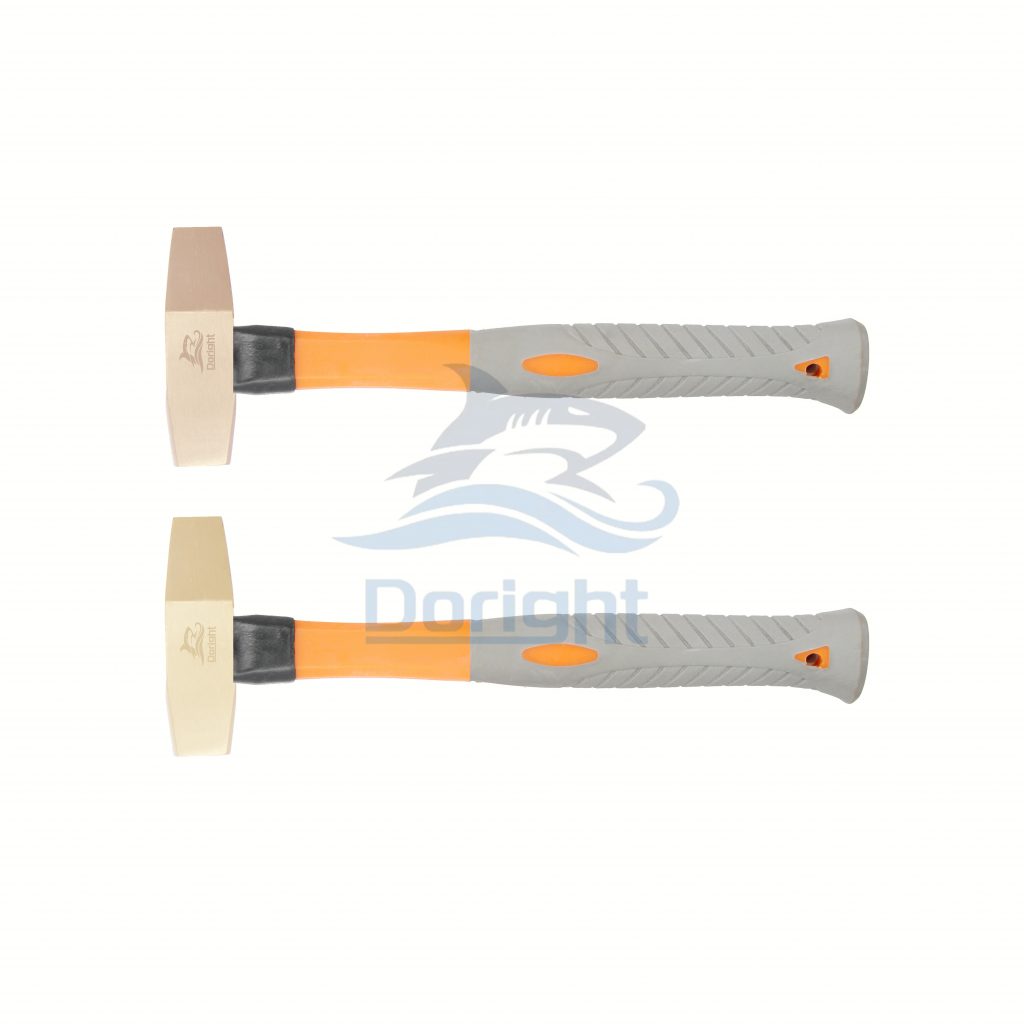
Part 2 — Principles for the next generation of safe impact tools
What’s next for safer striking tools?
Now I want to look forward. I believe the next wave will blend old wisdom with new materials science. For instance, smart coatings that resist wear can cut down on micro-fractures. And better non-ferrous formulations can keep energy absorption high while lowering surface heating. When you combine those with simple field diagnostics — a quick visual for cracks, a magnet test for contamination — you raise the bar for safety. Also, consider how static discharge is addressed: grounding strategies and tool design that limits charge buildup will matter more as sites add more sensitive electronics and edge computing nodes.
I also see opportunities in standards and labeling. ATEX-style clarity helps, but teams need plain language checklists in the toolbox. If I had to name three priorities for manufacturers and users, they would be: validated alloy specs, clear inspection intervals, and training modules tied to real incidents. These are not fancy fixes — just steady work. — and that surprised me when I first started testing tools in live plants.
Conclusion — practical metrics and a quiet pledge
I’ll finish with a short, direct set of measures I use when I evaluate a non-sparking solution. Use these to guide purchases and audits. First: Material verification — confirm non-ferrous alloy composition and ask for impact test reports. Second: Field resilience — establish an inspection interval and retire tools on observable wear, not on a calendar alone. Third: System fit — ensure the tool integrates with grounding, PPE, and ATEX-style zone controls. Those three metrics cut through the noise and give you a defensible baseline.
I care about tools because I’ve seen what they do in tight spaces and tense moments. Choosing the right hammer is not glamorous, but it matters. If you take away only one thing, let it be this: pair good tool design with honest upkeep and simple tests — and then teach everyone on site how to do the same. For practical stock and vetted items, I trust brands that publish specs and stand behind their products. You can start there, and — if you want a tested selection — look at what Doright lists for non-sparking solutions.