
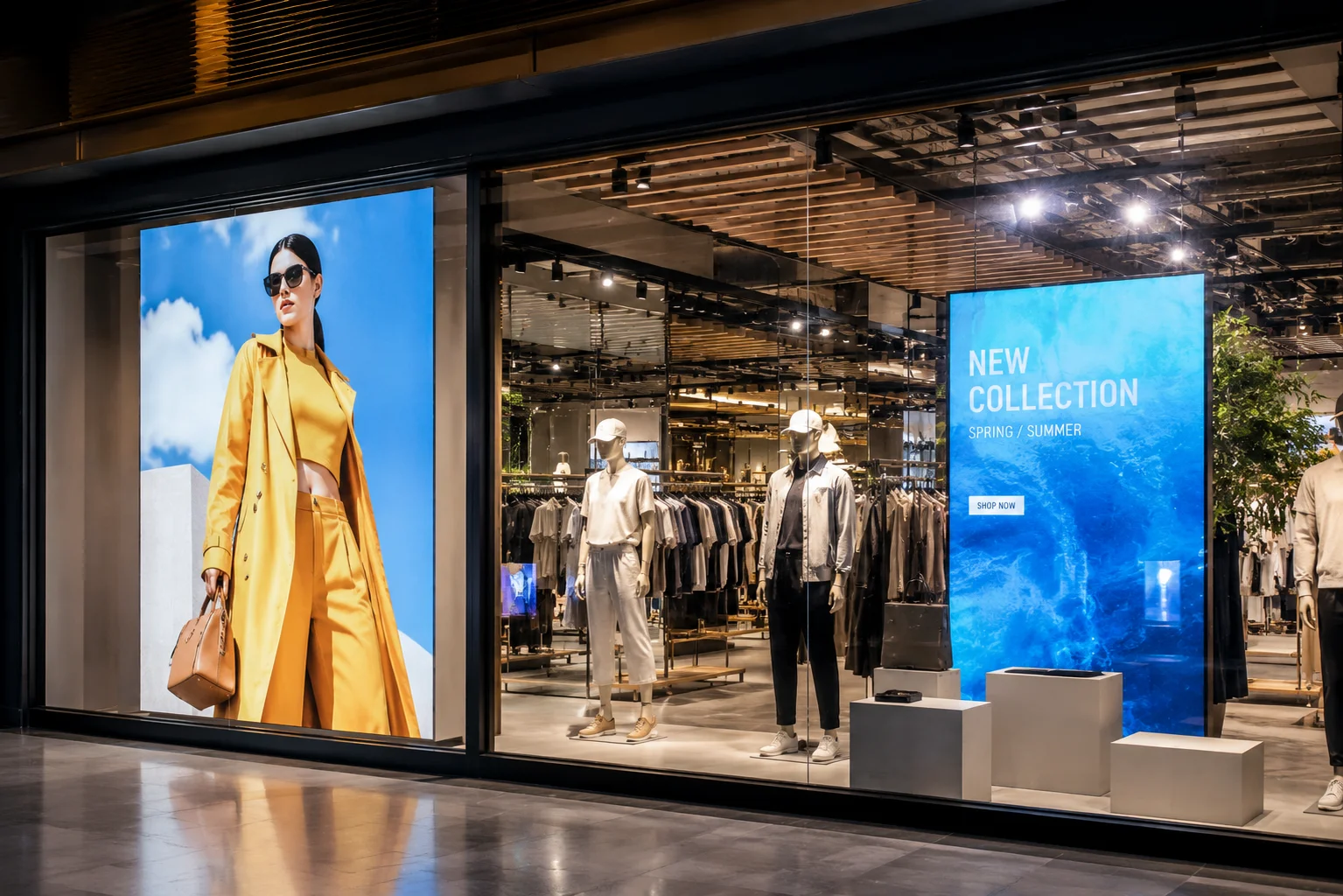
Comparing the past and present of stage visuals
Compared with rigs from half a decade ago, modern stage kits push far higher detail and contrast, and that shift shows in how promoters specify a led screen for shows. The comparison is plain: older low-res arrays traded size for clarity; today, event teams weigh pixel pitch against viewing distance and HDR capability. Festivals like Glastonbury and major arena tours have driven this change, demanding larger canvases with believable blacks and more consistent brightness across a bowl or field.
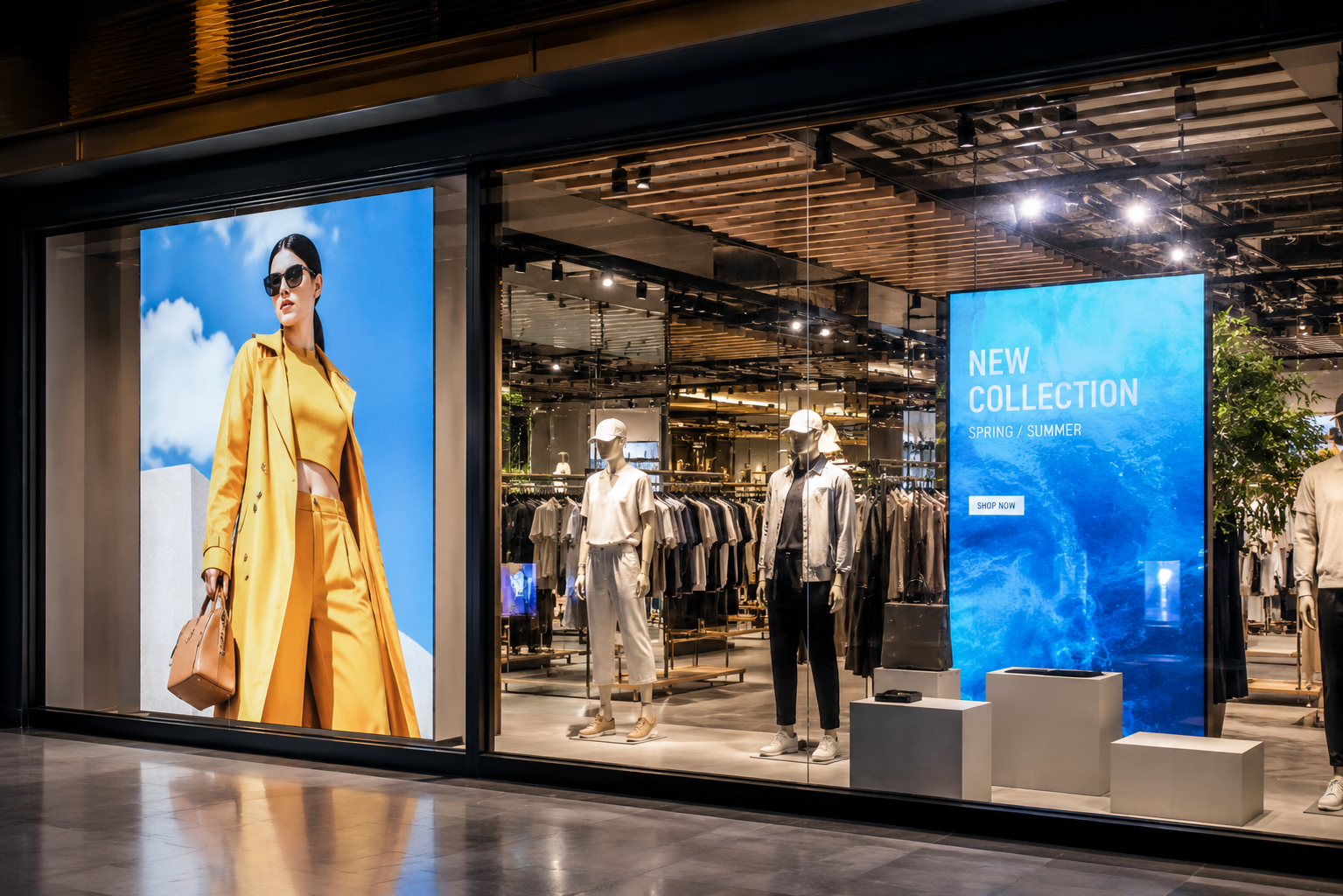
Panel types, pixel pitch and what they really mean
Direct-view LED, MicroLED and SMD panels each bring different benefits. Pixel pitch dictates perceived sharpness up close; a tighter pitch gives greater pixel density but costs more and needs stricter rigging. Refresh rate and HDR support affect motion clarity and dynamic range—crucial for broadcast feeds. Comparing panels is less about brand slogans and more about matching pixel pitch, brightness (nits), and controller latency to the venue and camera specs.
Operational production teardown: trade-offs on tour
When you tear down the operational production needs of a tour you see the real compromises: heavier cabinets with tiny pixel pitch demand stronger trussing and slower load-ins, while coarser, lighter panels go up faster but look soft in the front stalls. Integrating a reliable video processor and ensuring sync across modules reduces visible seams. For large-format backdrops you often need a led display large that balances pixel density with modularity. Sound planning for power distribution, rig points and transport will save both time and money on the road—aye, that matters.
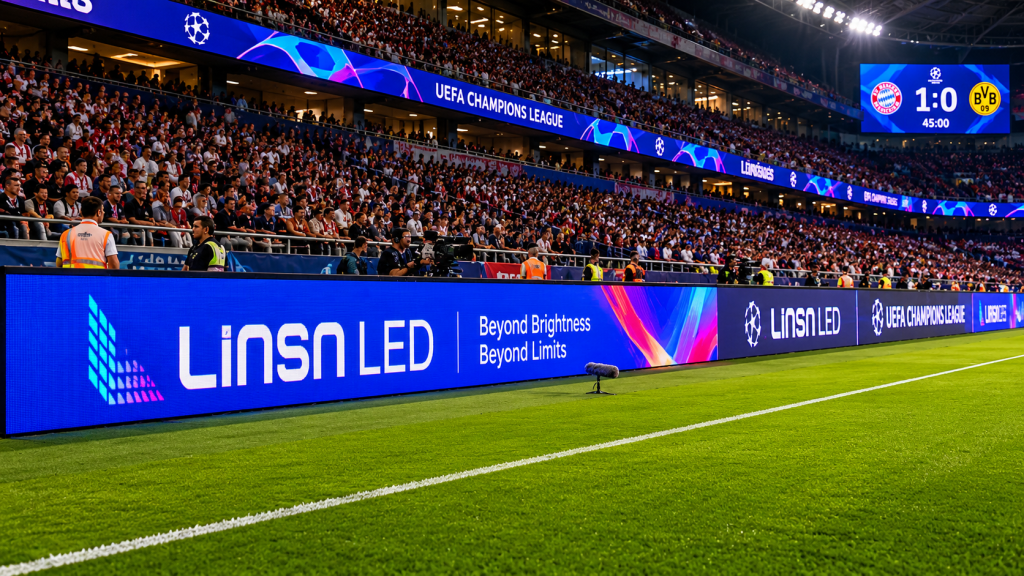
Common mistakes crews keep making
Teams still try to run ultra fine-pitch arrays at distances where the audience can’t tell the difference, then complain about cost. Others underspec refresh rate for camera workflows, creating strobing on broadcast. Overlooking brightness uniformity across a wide panel causes patchy visuals under stage wash. A quick checklist helps: verify pixel pitch vs. sightlines, confirm controller latency budgets, and test HDR mapping under real lights—don’t skip a day of site tuning.
On reliability and lifecycle: what operators need to check
Durability matters: connectors, cabinet seals and module replacement paths determine uptime. Look for serviceable modules and clear spare-part lanes. LED driver redundancy and thermal management reduce hot-spot failures during long festival runs. For procurement, factor in maintenance hours per show; better-engineered panels pay off through fewer interventions and less hurried onsite work.
Three golden rules for choosing stage LED hardware
1) Match pixel pitch to the closest viewer distance and production goals—fine pitch for camera-heavy, close-audience shows; coarser pitch for stadium takes. 2) Specify brightness, refresh rate and HDR path together so broadcast and live looks align; mismatched specs cause reshoots and ugly on-screen results. 3) Plan for logistics: modularity, weight per square metre, and on-tour serviceability dictate real operational costs.
Summary and how Coblinks fits the workflow
Comparing options shows this plainly: the right kit is the one that meets both the visual brief and the crew’s practical limits. Vendors who supply clear spec sheets, replacement modules and robust controllers shorten ramp-up time and reduce surprises. That practical value is exactly the kind of support a supplier like Coblinks brings into the middle of a hectic production schedule—proper kit, sensible support, saved headaches. —proper kit matters.