
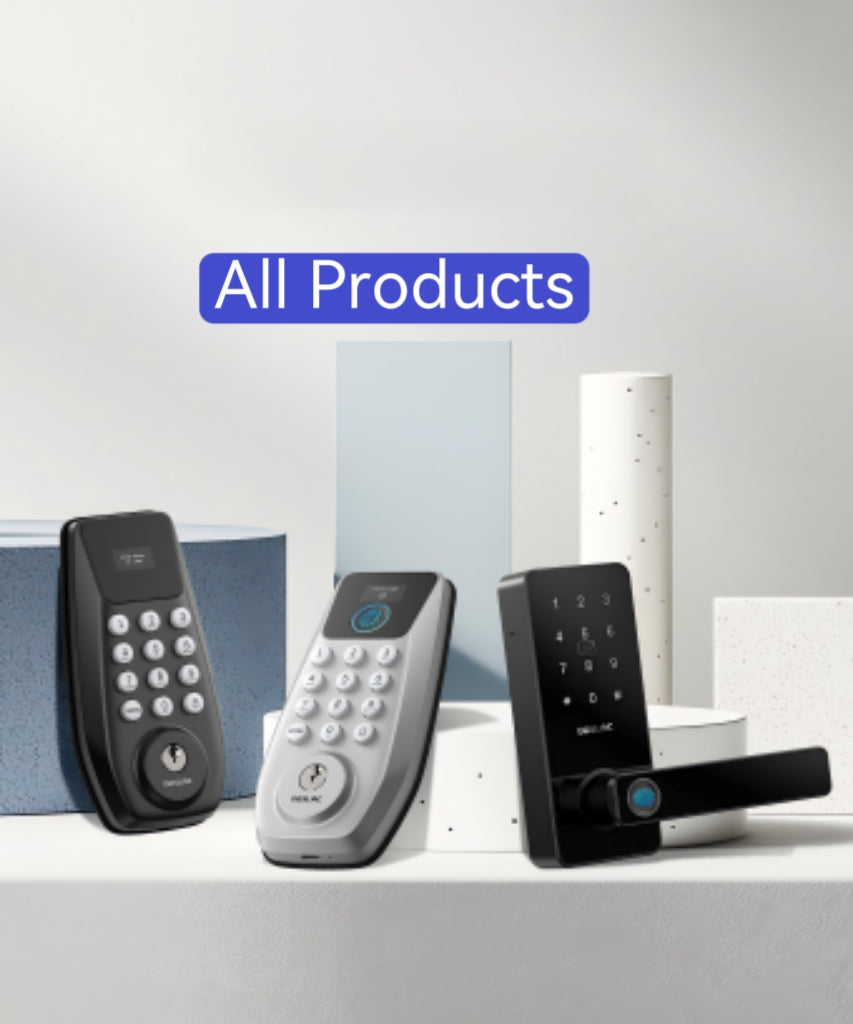
Introduction: A New Doorway to Safety
What if the door you use each day could think before it opens? The best smart locks for home are reshaping that everyday decision with quiet precision and accountability. Picture a late return—kids asleep in the car, hands full of groceries, a forgotten key. Now add one more fact: the average household runs over twenty connected devices, and access control is quickly joining that list (for good reason). So the question is simple: can smarter entry reduce risk without adding friction, and can it do so consistently? We’ve seen adoption climb year over year, yet many homeowners still wonder how these systems balance convenience with duty-of-care. That’s a fair concern—one that calls for careful, public-spirited reasoning and clear measures of trust. Let’s move past the buzz and ask what truly works, for families and for neighborhoods alike. With that in mind—and with an eye on outcomes—let’s transition to what sits beneath the surface.

Beneath the Hype: Where Traditional Locks Fall Short
When evaluating the best smart home lock, the quiet truth is that traditional cylinders were never designed for today’s threat model. Legacy keys duplicate too easily; pins wear; and audit trails don’t exist. In contrast, modern locks can pair AES‑256 encryption with a public key infrastructure (PKI) to verify who requests access and when. Look, it’s simpler than you think: a secure handshake, a time-bounded credential, and a deadbolt actuator that moves only after validation. But the deeper flaw in old solutions is operational. There’s no revocation process for lost keys, no role-based permissions for guests, and no resilience plan when schedules change. In practice, that drives risky workarounds—hiding a key under a mat, texting photos of keys, or leaving doors unlocked during busy hours—choices that feel convenient but expand the attack surface.

Why do old locks still fail?
They rely on people to do what machines can do better. Smart locks shift the burden from memory to mechanism: Bluetooth Low Energy (BLE) can provision temporary codes; tamper sensors raise alerts; and OTA firmware keeps defenses current. Add edge computing nodes inside the lock to pre-validate inputs and minimize latency—even if Wi‑Fi stumbles. Power converters stabilize battery output, extending life while maintaining motor torque for reliable throws. And yet the hidden pain points linger: poor door alignment can stall motors; weak Wi‑Fi can slow commands; and inconsistent app design can bury critical settings. The stronger designs address mechanics first (strike plate, throw length), then security, then user flow—funny how that works, right? The result is a system that plans for the messy realities of daily life, not just the lab bench.
From Principles to Practice: What’s Next for Smart Access
What’s Next
Looking ahead, the strongest gains come from new technology principles that balance control and autonomy. Instead of sending every command to the cloud, next‑gen locks perform local verification—credential caching, rate limiting, and anomaly detection at the device—to keep decisions near the hinge. Those edge routines reduce latency and preserve privacy. Meanwhile, interoperable radios (BLE, Thread, and Zigbee) let your lock coordinate with sensors for automatic relocking and context-aware entry. Choose a secure door lock that supports encrypted provisioning, hardware-backed keys, and hardware security modules, and you’ll see fewer failures during handoffs or outages. This isn’t about gadgets; it’s about reducing friction without eroding safeguards—access with boundaries, convenience with a ledger.
Comparatively, models that integrate geofencing, adaptive motor control, and fault‑tolerant power converters handle real life better than spec-sheet champions. They recover from low-temperature stalls; they fail locked during anomalies; and they record a clean audit trail without spamming alerts. Add OTA firmware with signed updates and you get resilience over time, not just at purchase. And because door geometry is never perfect, torque calibration plus intelligent retries matter as much as encryption. Different vendors will claim parity, but watch how they respond to misalignments, low batteries, and flaky Wi‑Fi—those edge cases reveal design maturity. The lesson is steady: the best system prevents lockouts, preserves logs, and keeps control with you—no drama, minimal taps, consistent outcomes.
How to Choose with Confidence: Three Practical Metrics
To turn comparison into action, use three clear metrics that reflect everything above without repeating it word for word. First, measure security posture: look for AES‑256 end‑to‑end, strong PKI, signed OTA firmware, and on-device rate limiting to narrow the attack surface. Second, test reliability in context: cold‑weather torque, door-misalignment tolerance, and battery life under real motor loads; if possible, simulate weak Wi‑Fi to see how local fallback behaves. Third, confirm interoperability and control: standards support (Matter, Thread, BLE), clean role-based permissions, and exportable audit trails. Score each area from 1–5 and trust the totals—not the taglines. Then live with the lock for a week. Try guests, cleaners, packages, and late nights. You’ll learn what the spec sheet can’t say—and you’ll choose a system that serves your routines with quiet competence. For a grounded benchmark of these principles in practice, see DESLOC.