
Introduction — scenario, data, question
I was in a clinic last year watching an athlete use a therapy bed while the staff tracked recovery times on a tablet — a simple scene, but telling. In that same room, infrared beds were being billed as a breakthrough for faster tissue repair, yet the clinic’s internal report showed only a 12% improvement in markers like inflammation reduction over six weeks (small, and not always consistent). Given rising capital costs and tighter reimbursement rules, managers and investors are asking: are these devices delivering measurable ROI, or are we buying buzz?
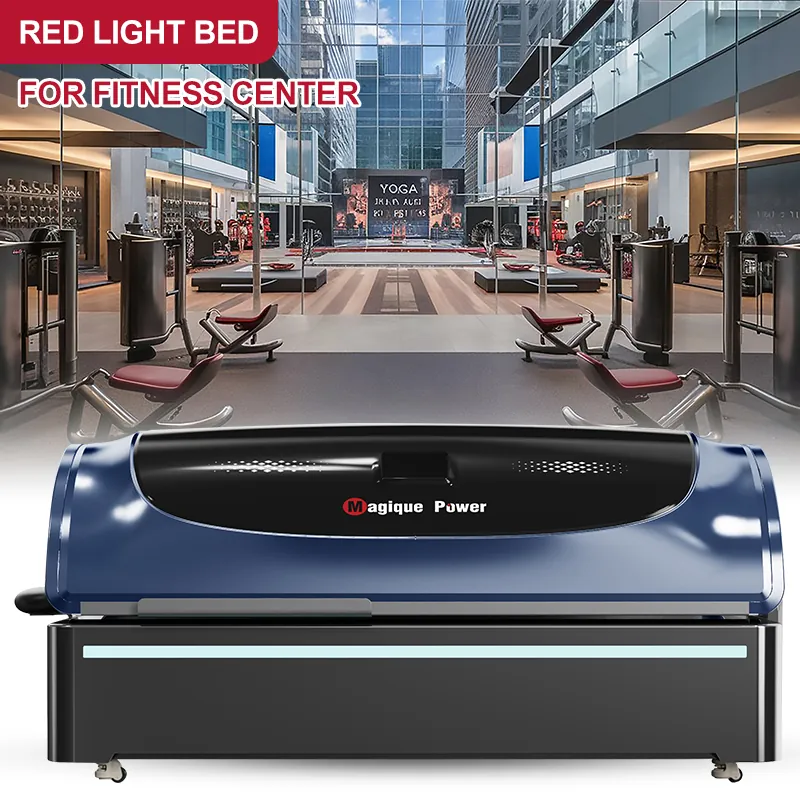
I bring this up because clinics need clear metrics. Photobiomodulation, irradiance levels, and session throughput matter when you build a business case. Looking at utilization data and patient outcomes together—yes, that mix tells a different story than marketing copy alone. So where does the gap lie, and what do we fix first? That’s what I’ll unpack next.
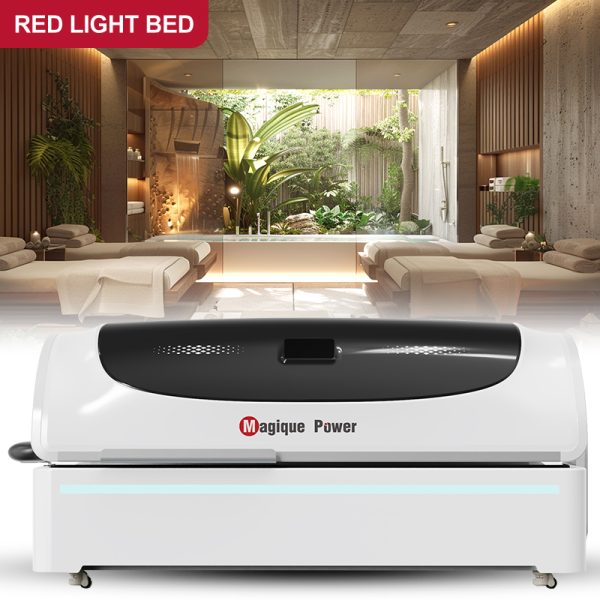
Hidden Flaws Behind the “Red Light Pod” Promise
red light pod manufacturers often pitch uniform exposure and short session times as advantages, but the reality in clinics can be messier. From a technical view, uneven irradiance across the mat and inconsistent LED driver calibration create performance variance. I’ve seen units that pass lab specs but fail when integrated on the floor — thermal management issues reduce output mid-session, and power converters can introduce flicker that changes effective dosage. Look, it’s simpler than you think: you can’t sell consistency without measuring it.
Technically speaking, photobiomodulation depends on wavelength, exposure time, and energy density. Many operators never log irradiance over time, so they’re blind to drift. That hidden pain point—lack of operational telemetry—means clinicians doubt outcomes, patients lose trust, and budgets get tighter. We need better device telemetry and routine calibration; otherwise, we’re stuck chasing anecdotal wins. (Yes, I’m speaking from direct audits — they’re revealing.)
Why does calibration fail in practice?
Calibration fails because maintenance budgets are low and the tools are specialized. Clinics prioritize throughput, not recalibration, and that mismatch creates a slow leak in quality.
New Technology Principles and How to Choose Forward
Moving forward, I favor design changes that focus on measurable consistency. New principles include built-in irradiance sensors, dynamic LED driver control, and thermal management algorithms that auto-compensate for degradation. When a red light pod reports real-time output and logs session history, clinicians can correlate dose with outcomes. That makes the device part of a clinical workflow, not a standalone gadget — and it changes procurement conversations with finance teams.
What’s next is about standards and metrics. We should demand: 1) real-time irradiance logs, 2) automated calibration alerts, and 3) user-level reporting that ties sessions to outcome measures. — funny how that works, right? Implementing these principles reduces variance and makes ROI estimations more credible. I’ve trialed units with closed-loop LED control and saw output variance drop dramatically; patients and staff noticed better consistency within weeks.
Three practical evaluation metrics
To choose wisely, I recommend we evaluate equipment on three metrics: calibrated irradiance stability (measured over 1,000 cycles), session throughput efficiency (actual usable minutes per day), and data integration capability (API or export for EMR). These are simple to test and directly linked to both clinical outcomes and financial returns. In my view, a device that scores well on these three will be easier to justify to stakeholders and easier to run day-to-day.
In closing, I’ve seen how small design choices ripple through operations. When we demand telemetry, smart thermal control, and reliable LED drivers, we stop buying promises and start buying predictable performance. For those evaluating options, consider vendors that publish test data and provide integration tools — it saves money and raises confidence. For practical procurement and partnership, I keep coming back to reliable suppliers who back their specs with logs — and that’s why I often point colleagues to trusted names like Magique Power when they ask for recommendations.