
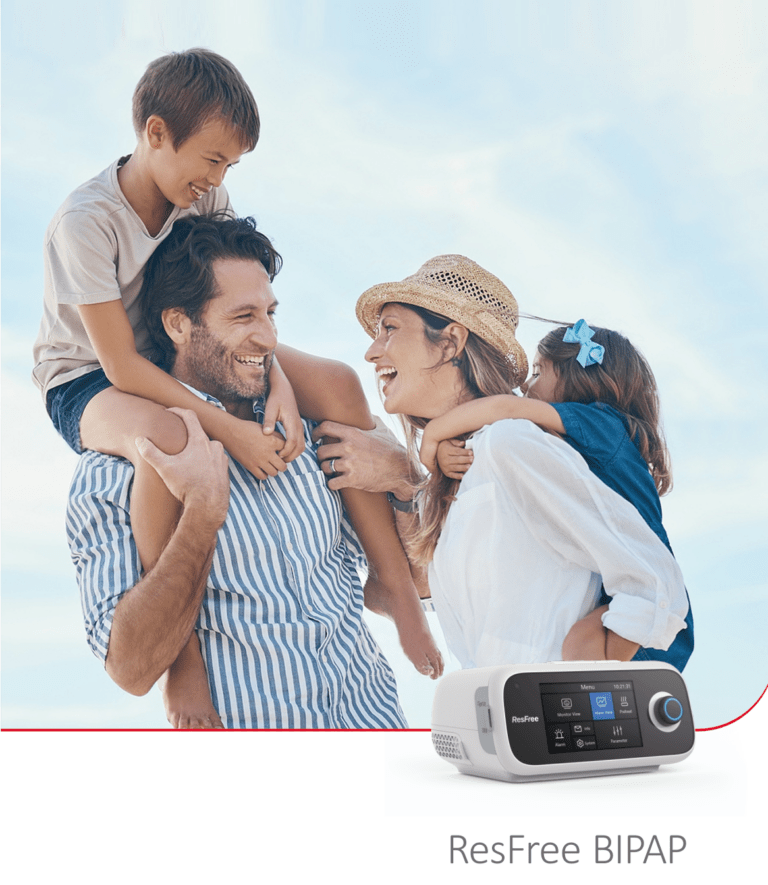
User-focused beginning: putting the person before the machine
Patients living with chronic breathlessness want clarity and comfort, not complexity — ja, that is simple. A user-centric approach starts by asking what the person needs at home: consistent pressure support, quiet operation, and a device that accepts familiar masks or a cpap device interface without endless setup. Clinicians and caregivers judge success by daily uptime and adherence, and this practical focus is what turns respiratory hardware into real therapy.
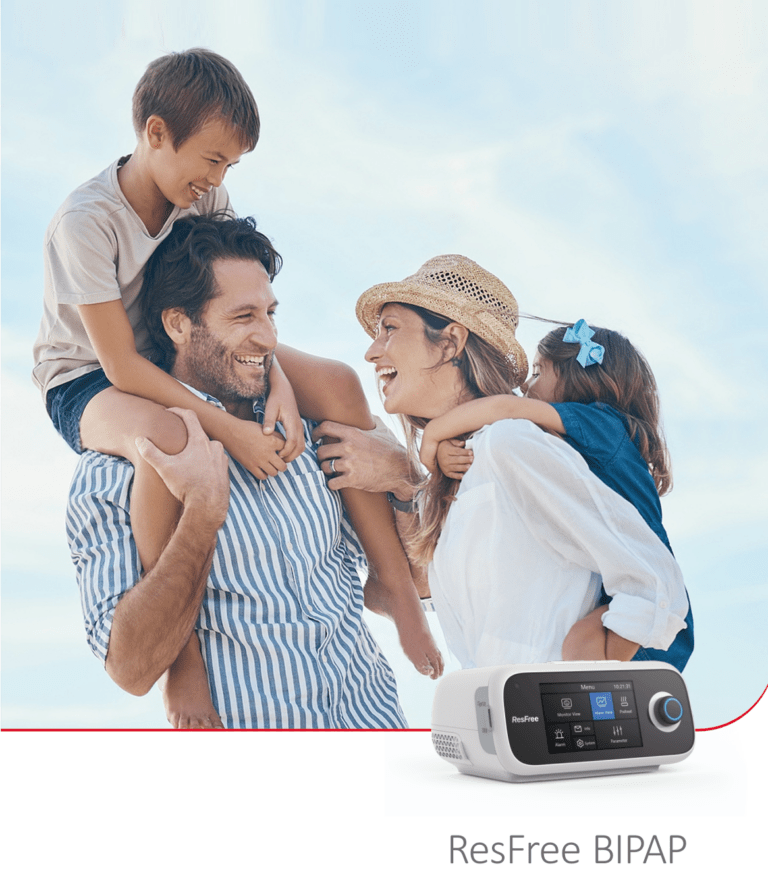
How non-invasive ventilation (NIV) meets daily life
Non-invasive ventilation (NIV) reduces work of breathing by delivering pressure support through a mask rather than an endotracheal tube. For many people with COPD or neuromuscular weakness, NIV stabilizes gas exchange and improves sleep quality. Design choices—pressure modes, inspiratory flow profiles, and comfortable masks—translate directly into better adherence and fewer hospital readmissions. The World Health Organization notes COPD as a leading global cause of death, so these choices matter far beyond any single household.
Key device attributes that patients notice
There are a few practical specs that separate usable machines from shelf-ornaments:
– Quiet blower and low sound pressure, so sleep isn’t disrupted.
– Intuitive controls and clear troubleshooting prompts for caregivers.
– Reliable algorithms that adjust support without constant clinician intervention, managing tidal volume and leak compensation.

Small things like a stable humidification chamber and a guided mask-fit routine make daily use more likely — patients will thank you by using the therapy consistently.
Design lessons from NIV to home ventilation systems
Translating clinical NIV principles to home ventilation entails attention to PEEP tolerance, trigger sensitivity, and battery-backed portability. Home units that capture clinical modes but simplify user interactions win trust. In practice, clinicians should configure inspiratory flow and pressure support to meet resting and sleeping needs, then hand over a machine that’s pre-set and labeled — less confusion, better outcomes.
Common mistakes and sensible alternatives
Clinics often err by overloading devices with modes the user will never change — a noble idea, but it confuses. Instead, limit upfront choices and document the configuration plainly. – Another misstep: switching to a portable unit without checking tidal volume delivery under leaks. The alternative is pragmatic: measure effectiveness with simple overnight capnography or pulse oximetry charts and adjust.
Real-world anchor: evidence and practice
Hospitals and home-care teams worldwide track readmission rates and quality-of-life scores when shifting to patient-centric ventilation strategies. High-level data from global health authorities underscores the urgency—COPD remains a major cause of morbidity—so improvements at home can reduce strain on acute services. Clinical teams report that emphasis on mask fit, simple interfaces, and backup power yields measurable adherence gains over six months.
Alternatives and ecosystem thinking
Not every patient needs the same solution. For some, a CPAP or hybrid device suffices; others require full-featured ventilators with advanced leak compensation. Consider also the roles of telemonitoring, periodic in-home nurse checks, and durable consumables supply. When configured well, these systems integrate into daily routines rather than disrupt them — and that’s the point.
Final practical guidance — three golden rules for selecting breathing machines for copd
1) Prioritize clinically effective modes and simplicity: choose a device that delivers consistent tidal volume and robust leak handling while keeping user controls straightforward.
2) Validate in the real home setting: confirm nocturnal oxygenation and patient comfort over several nights, and ensure battery and humidification solutions meet lifestyle needs.
3) Consider service and consumables availability first: access to masks, filters, and on-call support determines long-term adherence far more than marginal technical bells.
These rules help teams and families choose tools that actually work day to day — and they point naturally toward solutions like breathing machines for copd which are built with home use in mind. For clinicians and procurement folks alike, the best outcome is a simple, reliable regimen that patients follow; ja, that makes everything easier. Byond. –