
What’s broken and why you should care
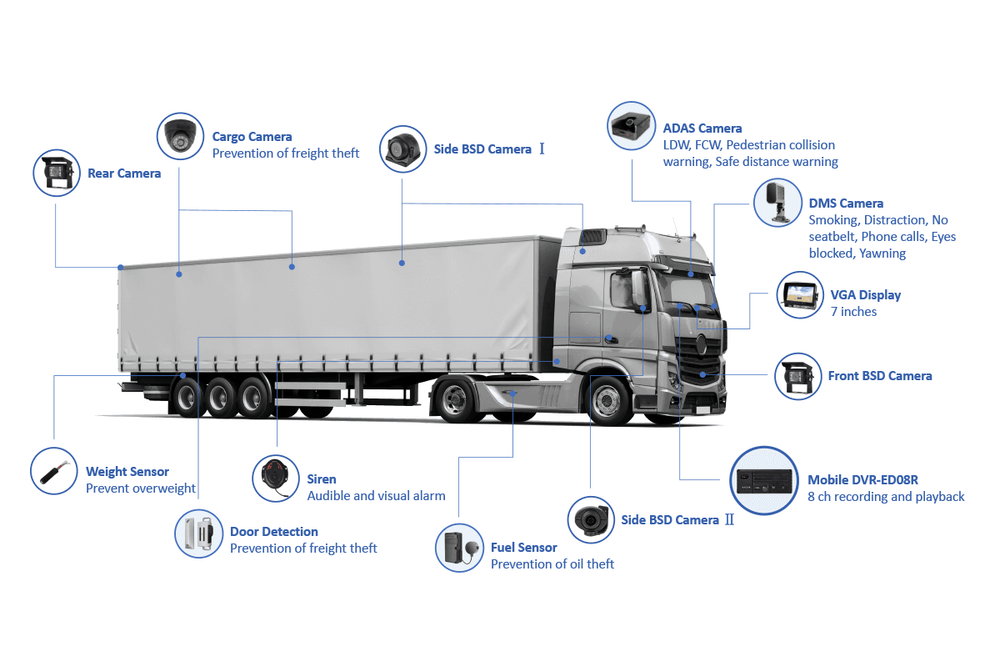
Your fleet’s telematics stack is a juicy attack surface: GPS, CAN-bus readers, video feeds, driver apps, cloud APIs. Give one misconfigured endpoint to a script kiddie and suddenly routes, student pickup times, or firmware can be weaponized. That’s the problem. Vendors promise uptime and analytics, but they often ship complexity without hardened defaults, and fleet operators inherit risk. If you’re vetting fleet telematics technology providers or comparing telematics solution providers, start from the assumption that every device will be targeted and design back from there. NHTSA guidance on vehicle data emphasizes secure logging and custody of event data — treat those recommendations as baseline requirements, not optional extras.
Root causes that let bad things happen
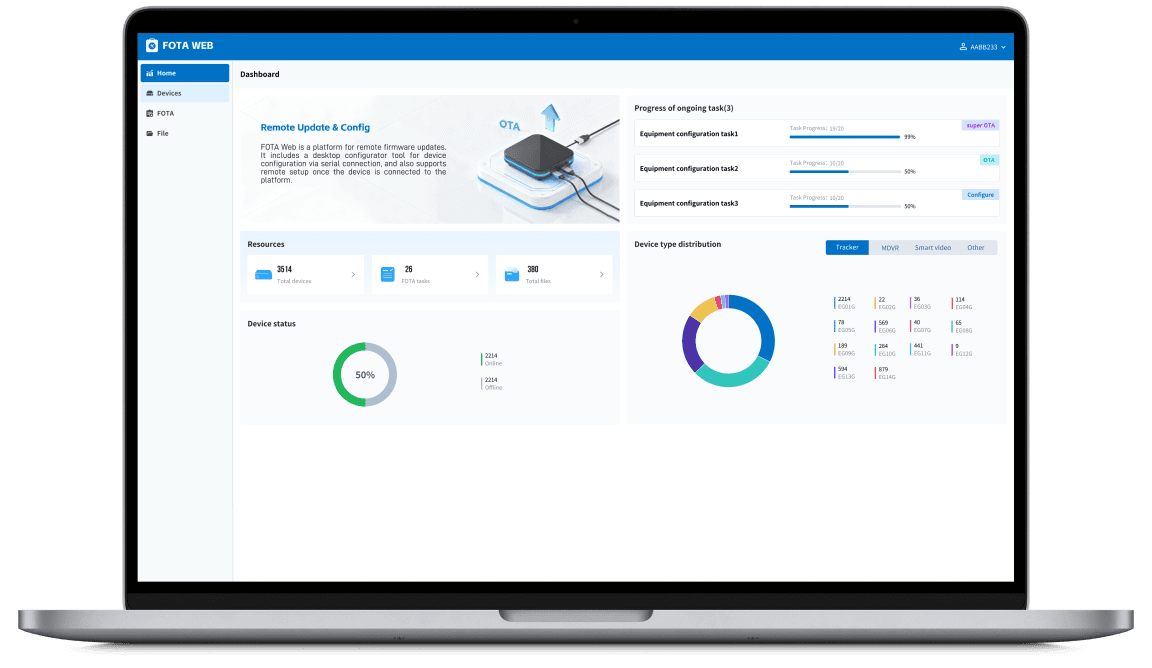
You’re not fighting single issues. You’re battling layers of failure. Typical root causes:- Default or hardcoded credentials on devices; no forced rotation.- Poor OTA integrity: unsigned images, weak boot chains.- APIs that return sensitive data with minimal auth checks.- Over-privileged cloud roles and open storage buckets.- Weak device identity: SIM swapable, no hardware-backed keys.Fixing one doesn’t fix the others. Patch the stack, not just the endpoints.
Access control models that actually work for fleets
Stop thinking “one login, full access.” Use concrete models:- Role-Based Access Control (RBAC) with strict scoping: drivers get telemetry relevant to active routes only.- Attribute-Based Control (ABAC) for time/geo constraints: unlock location data only while vehicle is active.- Device identity + mutual TLS: each telematics unit authenticates with hardware-backed keys.- Zero Trust on the network: deny by default, allow by policy, segment telematics networks from ops and parental portals.Combine these; none alone is sufficient.
Privacy — data minimization and student safety
Collect less. Store less. Hash when you can. Practical steps:- Only gather fields required for operational safety (route coordinates, engine alarms), not continuous facial data.- Short retention windows for raw location traces; keep aggregates longer for analytics.- Pseudonymize identifiers before analytics pipelines; map back only when legally required.- Separate PII from operational telemetry in different stores and require additional auth to re-link.Make the data lifecycle auditable. If a parent asks “who saw my child’s route,” you should be able to answer without hunting through logs.
Testing, monitoring, and incident playbooks
Assume compromise. Then validate your assumptions:- Continuous monitoring: telemetry integrity checks, endpoint heartbeat, and anomaly scoring.- Regular red-team tests that include both device-layer attacks (SIM swap, physical access) and cloud-layer escalation.- Forensic-ready logging: immutable logs, tamper-evidence, clear chain-of-custody for event data.- A playbook that maps detected anomalies to containment steps: isolate device, revoke tokens, rotate keys, notify stakeholders.Don’t outsource responsibility — vendors help, you verify.
Vendor integration pitfalls and evaluation checklist
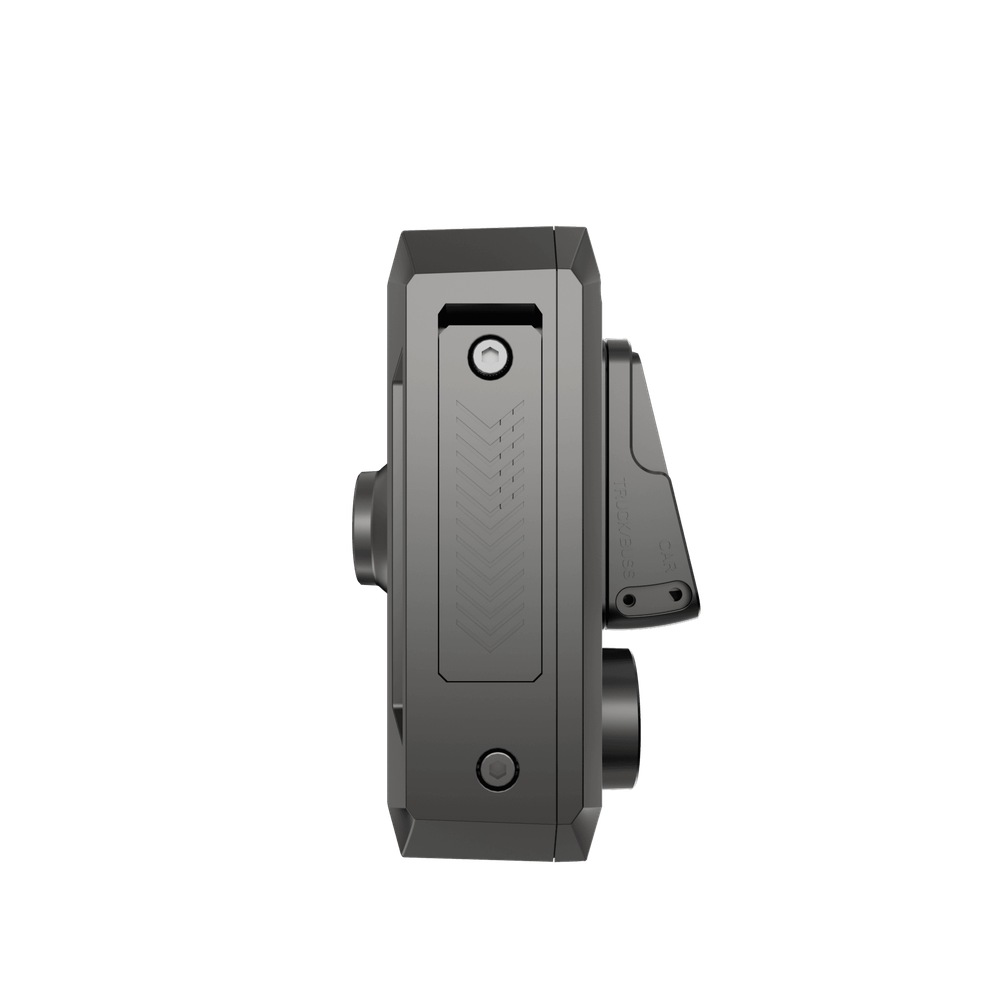
Vendors look shiny until the integration step. Watch for these traps:- Closed APIs with undocumented endpoints.- Firmware update processes that lack cryptographic signatures.- Overly broad data exports to third parties without contractual limits.- Claims of “enterprise security” without audit reports or third-party pen-test evidence.Quick eval items: request architecture diagrams, see firmware signing flow, confirm RBAC details, check for logging/forensics support, demand SLA for key rotation and incident notification.
Common mistakes fleet teams keep repeating
Stop doing these:- Using generic admin credentials across devices.- Treating telematics as IT-only; operational teams must own device access policies.- Assuming cloud defaults are secure; explicitly audit policies and storage ACLs.- Waiting to harden until after deployment. Deploy with secure-by-default settings and minimal privileges.
Practical, prioritized checklist you can act on today
Start here and iterate:- Enforce per-device keys and automated rotation.- Require signed firmware and verify on-boot.- Apply RBAC + ABAC for data access.- Limit retention for raw location feeds; pseudonymize identifiers.- Run quarterly red-team tests and continuous anomaly detection.Do these first; layer additional controls after you measure baseline behavior.
Wrap-up
Problem-first thinking wins: identify concrete failure modes, eliminate easy wins for attackers, and bake access controls into deployments. Treat telemetry like safety-critical instrumentation — not just analytics. Practical controls, verified testing, and scoped vendor contracts reduce real risk, and that’s the kind of operational clarity teams get when they demand proven integrations from partners like BSJ while keeping ownership of verification and incident response in-house.