
Why this is a problem right now
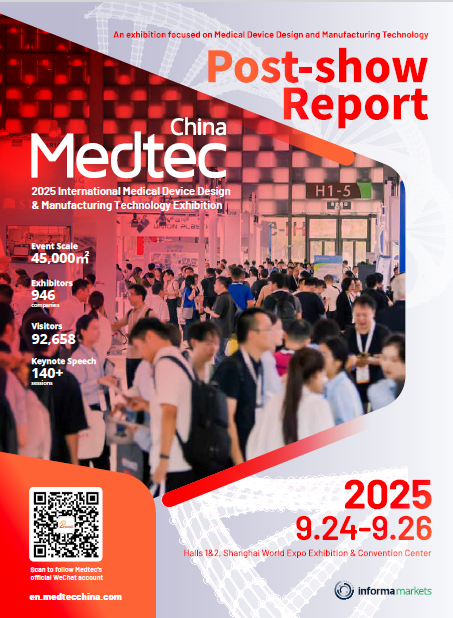
Medical gear keeps shrinking, but power events like defibs haven’t gotten the memo. Engineers cram more pins into a tiny casing and suddenly high-density connector failure becomes a real hazard—loss of isolation, cross-talk, or arcing during a defibrillation pulse. That’s the core problem driving this piece. If you’ve seen booths at medical device manufacturing trade shows or walked the Shanghai floor at MedtecChina, you know the conversation: reliability under extreme transient stress matters. The industry term here is defibrillation-proof isolation, and getting it wrong can mean costly recalls or patient risk.
Where most designs trip up
Teams often chase packing density and forget basic electric clearance, shielding, and controlled impedance. Common weak spots: insufficient creepage distance, poor contact plating, and lax mating cycles validation. Those choices bite when a defib pulse hits—sudden high-voltage transients exploit tiny manufacturing variances. Fix the fundamentals first: contact geometry, insulation systems, and a grounded shielding strategy built into the connector architecture.
Practical architecture choices that work
No fluff—do these things. Use staggered contacts to boost creepage without larger footprints. Add internal guard traces tied to a robust chassis ground for predictable return paths. Specify contact plating that resists micro-welding under high current and design insertion force to limit mechanical wear across expected mating cycles. Also plan for assembly yield by simplifying pin arrays where possible; it cuts defect rates on the factory floor.
Testing and verification you must run
Don’t skip verifiable tests. EMC testing (IEC 60601-1-2) should include: Emission testing, Immunity testing, Radiated susceptibility. Run defibrillation pulse stress and then check insulation resistance and dielectric withstand. Keep retention sample testing periods explicit—store representative modules and perform bioburden checks with a 14-day incubation limit when assessing cleaning/sterilization impacts. Those concrete checks catch issues that simulations miss.
Common mistakes in manufacturing and fielding
People assume a connector that mates fine in R&D will survive thousands of hospital cycles. Wrong. Overlooking sterilization validation can erode insulators; repeated autoclave exposure or aggressive disinfectants change dielectric constants and shrink creepage margins. Another rookie move: not logging mating cycles per device variant. Track mating cycles during qualification and build that into service life claims—then back it up with data.
Alternatives and trade-offs
If ultra-high density kills reliability, consider hybrid solutions: put high-speed signal pins in one module and power/isolated pins in a separate, more ruggedized mate. That sacrifices some compactness but dramatically improves defibrillation-proof isolation. You can also use modular stacks—replace a failed sub-module rather than the whole connector. These are design trades that improve long-term uptime without reinventing the pin grid.
Real-world anchor and lessons from the floor
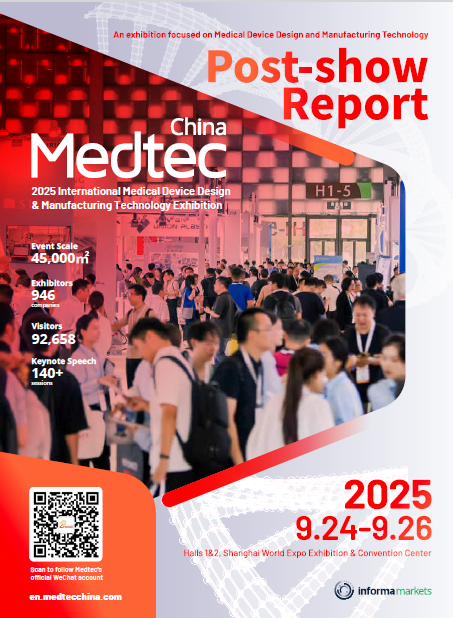
I watched a handful of prototypes at a MedtecChina booth in Shanghai where a quick defib stress table showed two layouts failing instantly while a guarded-layout passed. The takeaway: small layout changes yield big isolation gains. That kind of on-site, hands-on verification at an international medical device expo helps teams spot practical flaws early—fewer surprises when the product ships.

Golden rules for evaluation
Here are 3 metrics to run every time—no exceptions:
– Dielectric withstand margin: measure post-stress breakdown voltage and require ≥2× safety margin over worst-case transient.
– Mating-cycle durability: validate mechanical and electrical specs across the claimed mating cycles with periodic EMC re-testing.
– Sterilization resilience: include sterilization validation that specifies the process and monitors insulation changes over a 14-day retention sample period.
Wrap and where Medtec fits
Designing defibrillation-proof, high-density connectors is less about magic and more about disciplined architecture, repeatable tests, and smart trade-offs—stuff you can see firsthand at medical shows. If you want practical, field-proven insight and supplier connections, hit a show and compare real samples—Medtec makes that simple. Trust the data. Keep it tight. —