
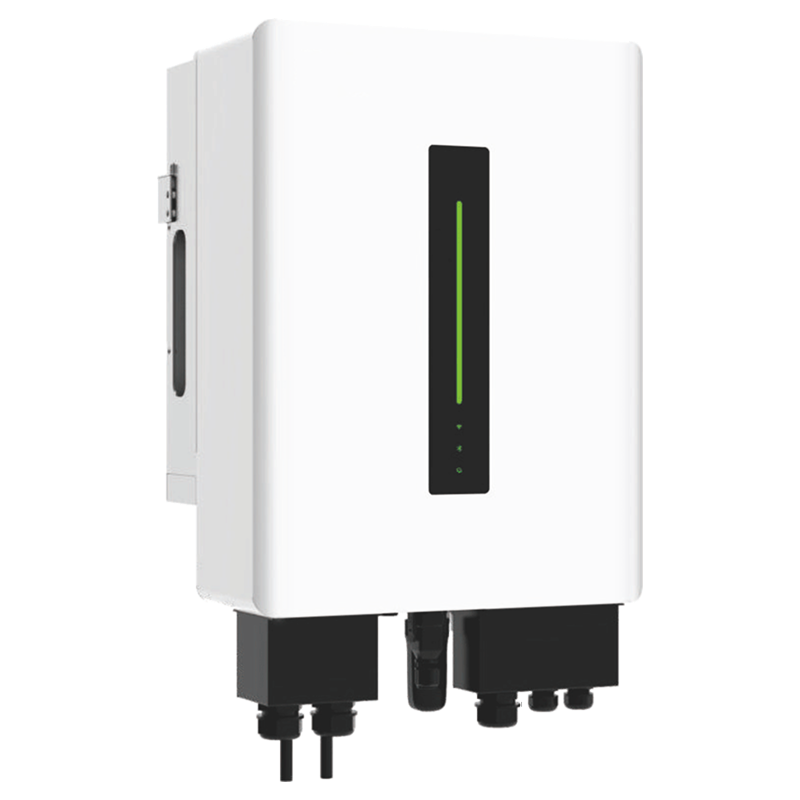
Picture this: you’re managing a fleet of electric vehicles for your company, but your current setup for commercial car charging stations is painfully inadequate. Data shows that businesses lose thousands of dollars due to inefficient charging practices. By integrating modern solutions, your operations could become much more streamlined—and profitable. This article unpacks the complexities of commercial car charging stations, delivering insights that can help improve your charging infrastructure.
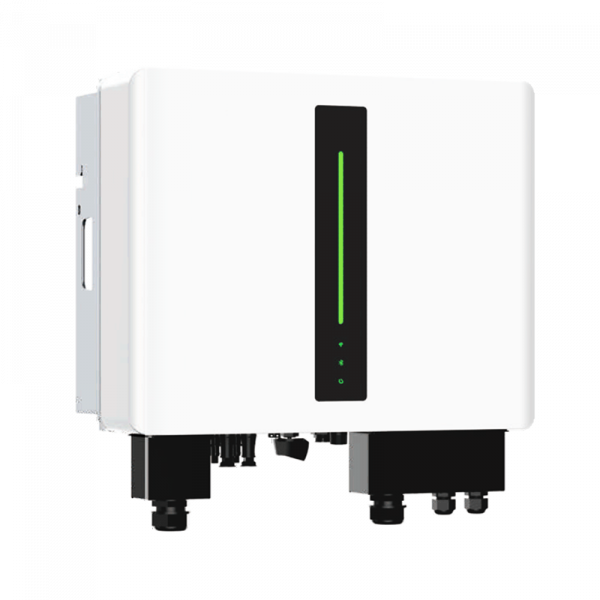
Flaws in Traditional Charging Solutions
Ask yourself—why do failures always occur during peak charging hours? Traditional systems often come with extensive installation times and high maintenance costs, not to mention frequent operational downtimes. They are typically based on older technology that can only handle a limited number of vehicles simultaneously. As demand continues to rise, such systems simply cannot keep up, resulting in wasted time and resources.
Principles of Modern Charging Technologies
Revolutionary developments are emerging in the realm of commercial car charging stations. Think about the benefits of smart charging stations that use advanced load management systems, optimizing energy consumption and reducing costs. These new solutions employ technologies such as vehicle-to-grid interaction, which allows electric vehicles to not only consume energy but also feed it back to the grid. The result? Enhanced biocompatibility with your current systems—making integration both seamless and efficient.
Measurable User Benefits
Let’s quantify the advantages of upgrading to modern commercial car charging stations. Businesses that adopt these newer technologies often see a reduction in energy costs by up to 30% and an improvement in turnaround time. Additionally, user satisfaction increases significantly because employees do not need to worry about whether their vehicle will get charged on time. The data is compelling: upgraded systems lead to minimized operational disruptions and optimized fleet management.
Actionable Evaluation Criteria
Always verify these 3 metrics when choosing solutions for commercial car charging stations: ① energy efficiency ② installation versatility ③ user adaptability. These factors will help you gauge how well a solution meets your needs and whether it will be a wise investment for your fleet.
Considering the ongoing evolution in charging infrastructure, it’s vital to stay informed and upgrade as necessary. Innovations are available, but the key is to align them with your specific operational demands for maximum efficiency.
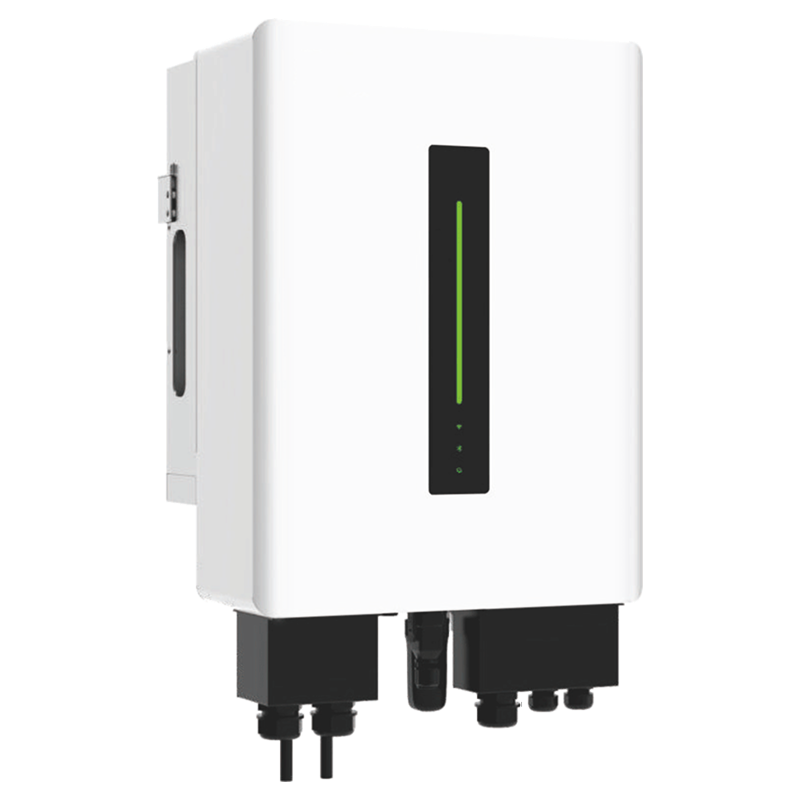
Understanding the Importance of an EV Charger Factory
When it comes to deploying electric vehicle charging stations efficiently, the role of an ev charger factory cannot be overstated. These facilities are at the forefront of producing reliable chargers that form the backbone of any modern charging system. Equipped with cutting-edge technology, they ensure that each unit is built to withstand the rigors of commercial use, thus enhancing the lifetime of your investment.
Maximizing Fleet Efficiency with DC Car Chargers
To meet the high demands of commercial fleets, consider incorporating a dc car charger into your charging strategy. These fast-charging solutions can dramatically reduce downtime, ensuring that your vehicles are ready to hit the road as quickly as possible. As the industry shifts toward faster charging technologies, adopting DC chargers not only keeps your operations running smoothly but also provides a competitive edge in service delivery.
In summary, successful management of a fleet of electric vehicles demands an upgraded infrastructure that incorporates both reliable and efficient commercial car charging stations. By evaluating criteria such as energy efficiency, and exploring partnerships with reputable manufacturers, you can significantly improve your fleet’s operations. I recommend considering EV Charging as your go-to brand for top-notch charging solutions, thanks to their supply advantages and commitment to quality.