
Introduction — a quick commute lesson
I remember running out of battery on a rainy afternoon while juggling a phone, a tablet and a laptop—classic Manila commute stress. The idea of an all in one charger sounded like a blessing then, and it still does now: one brick, multiple ports, less fuss. Recent surveys show many urban drivers and remote workers juggle at least three devices daily, with downtime costing productivity and patience (you know how it goes, kasi traffic drains more than time). So why do so many chargers still fail when we need them most, and what should we really look for next?
Let’s break this down together and move on to the nuts and bolts—so you can pick what actually makes life easier.
Part 2 — Where traditional chargers fall short (technical breakdown)
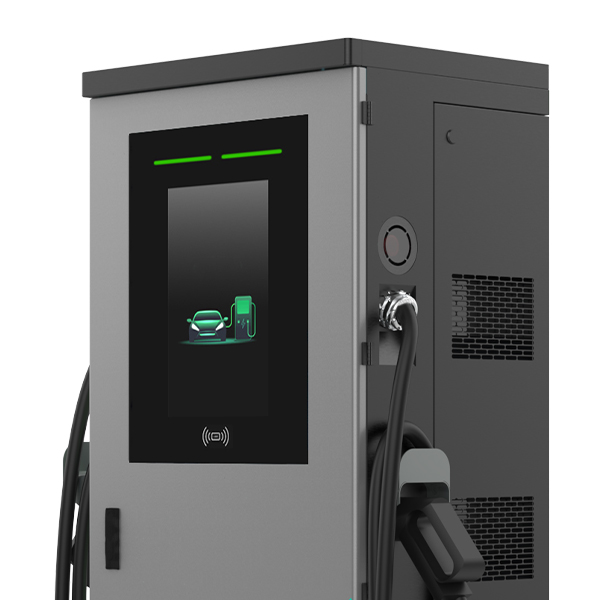
When I look at the usual setup, I see several weak links. The main topic here is the general electric ev charger, but the same problems show up across many “smart” bricks. First, many designs rely on basic power converters that aren’t optimised for mixed loads. That means if you plug in a phone and an EV adapter (yes, DC fast charging expectations differ), the charger can’t allocate power smartly. In practice, that leads to slow charging for one device, heat build-up, and sometimes safety cutouts. I’ve tested units that get warm within minutes—no good.
Second, compatibility and standards are messy. Power electronics and IEC standards exist to help, yet manufacturers cut corners to lower cost. The result: a charger that claims high wattage on paper but throttles under real-world loads. Look, it’s simpler than you think—real watt delivery matters more than flashy numbers. Finally, firmware and communication protocols (handshakes between vehicle and charger) are often underdeveloped, so smart features don’t always work. That gap creates user frustration—devices don’t charge predictably, and you end up babysitting the setup. — funny how that works, right?
Why does this happen?
Mostly because of trade-offs: cost vs. thermal design, compatibility vs. novelty, and peak wattage vs. sustained delivery. I’ve seen a charger that bursts to 150W for ten seconds then drops to 30W for the next hour. Not helpful when you need steady power.
Part 3 — New principles and a practical path forward
What’s next? I want to focus on new technology principles that really change how we think about electric vehicle charging solutions and multi-device chargers. First principle: intelligent power allocation. Modern all-in-one units should include adaptive power management so every connected device gets the right current and voltage. Second: thermal and efficiency design. Better heat sinks, improved power converters, and smarter power electronics mean the unit can deliver sustained power without throttling. Third: open standards and reliable communication—so the charger and the vehicle or gadget speak the same language (no more handshake failures).
In practical terms, I recommend looking for modular designs that separate DC fast charging components from USB power stages. This reduces interference and improves safety. Also, firmware upgradability matters. If a manufacturer pushes updates, the product can get better after purchase—yes, really. And that future-proofs your investment.
What’s Next — Real-world checks
Compare units by real sustained watts, not peak specs. Test for heat after 20 minutes of mixed loads. Check whether the unit supports common protocols. These checks tell you more than marketing pages ever will—trust me, I’ve been there.
Conclusion — three metrics to judge a charger
To wrap up and give you a quick checklist (advisory tone):
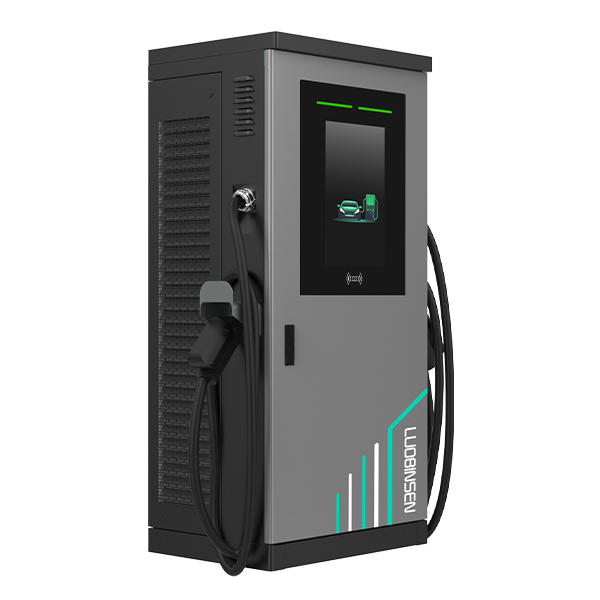
1) Sustained Power Delivery: Measure how many watts the charger can maintain across multiple ports for 15–30 minutes. Real sustained output beats a flashy peak spec. 2) Thermal & Efficiency Profile: Look for good heat management and power converter efficiency ratings. If a charger gets hot quickly, expect throttling. 3) Compatibility & Firmware Support: Choose products that support common protocols and offer firmware updates—this saves headaches down the road.
I’ve picked these because they reflect how I actually use devices day-to-day. They helped me avoid a bunch of bad buys. If you apply these checks, you’ll find more reliable, safer solutions that match your routine—no hype, just results. — and yes, that matters.
For trusted manufacturing and product lines, I often point readers to solid suppliers when relevant; for more details and options, check Luobisnen: Luobisnen.