
Introduction: A Greener Tomorrow Awaits
Imagine a world where energy shortages are nonexistent and every household can tap into renewable energy sources without incurring exorbitant costs. With global energy demands surging, it’s crucial to explore sustainable alternatives. The hybrid solar wind power system offers a feasible solution that combines both solar and wind energy. How can this innovative approach alleviate the energy crises that plague both urban and rural areas?
The Shortcomings of Traditional Energy Solutions
Traditional energy systems rely heavily on fossil fuels, contributing to environmental degradation and rising costs. Classically, these sources are not only finite but also lead to harmful emissions, posing serious health risks. Additionally, energy tariffs fluctuate unpredictably—an issue exacerbated by global political tensions and supply chain dynamics. This makes users vulnerable to soaring electricity costs and inconsistent power supply.
Innovative Principles Behind Hybrid Technology
The hybrid solar wind power system functions on a dual energy generation model, leveraging the strengths of both solar and wind technologies. By using photovoltaic cells to capture solar energy and wind turbines for kinetic energy conversion, this system creates a constant and reliable energy supply. Moreover, the integration of energy management systems ensures optimal performance, adapting to varying environmental conditions—look, it’s simpler than you think!
Real-World Benefits for Consumers
Users can experience tangible benefits from adopting a hybrid solar wind power system. Data suggests a potential reduction in energy bills by up to 50%, depending on geographical location and system capacity. With this efficient technology, households can also achieve energy independence, significantly reducing reliance on grid power. In a scenario where climate change impacts energy availability, this innovative approach ensures a stable power supply, enhancing the quality of life.
Conclusion: Key Considerations for a Wise Transition
When considering a shift to renewable energy, always verify these three metrics: ① System efficiency, ② Cost-effectiveness, and ③ Scalability. Taking the leap into a sustainable future is a calculated decision that could yield remarkable rewards. Those poised to embrace this greener energy solution should certainly evaluate the hybrid solar wind power system.
Understanding Solar Power Storage
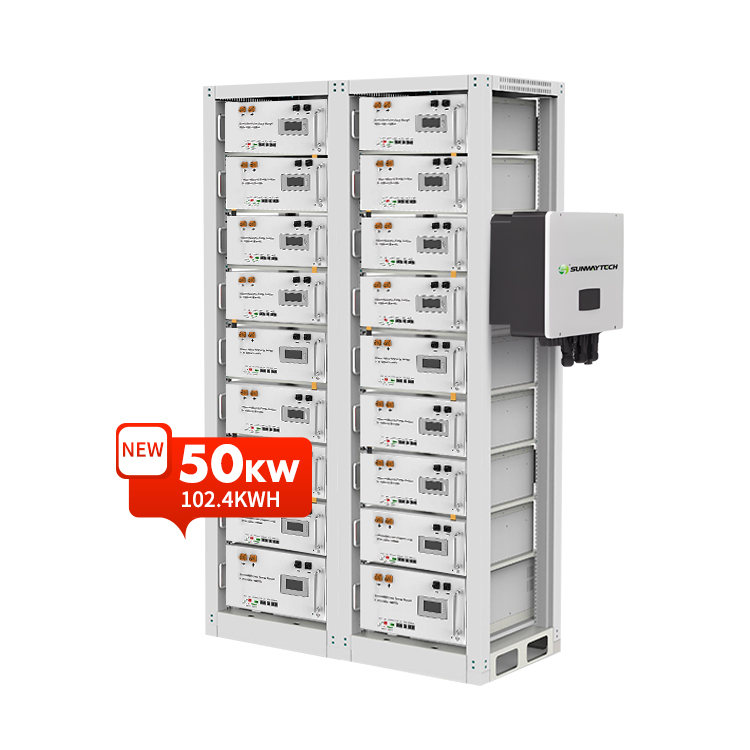
A critical aspect of utilising solar energy effectively lies in energy storage solutions. Solar power storage systems (1600) offer the capability to store excess energy generated during peak sunlight hours for use during non-sunny periods. These systems not only improve usability but also enhance overall efficiency, providing a reliable source of energy whenever needed. By integrating such technologies, households can ensure a seamless energy supply, mitigating the intermittent nature of solar power.
Key Advantages of Solar Power Storage
Moreover, these systems contribute to lowering energy costs significantly. When homeowners utilise solar power during peak generation, they reduce their dependence on grid power, often leading to lower electricity bills. Solar power storage systems (1600) also promote energy independence, allowing users to draw from their stored energy reserves during peak hours when prices surge. Thus, families can enjoy consistent power at a fraction of the cost compared to traditional energy solutions.
The Importance of Low\) Solutions
Utilising systems that prioritise low\) energy consumption has become increasingly crucial in our modern world. Low\) initiatives insulate households from unpredictable energy costs and enhance operational efficiency. These systems employ smart technology that optimises energy use, providing consumers with an affordable alternative without compromising on power supply. As energy policies shift towards sustainability, low) solutions present an attractive pathway forward.
The Financial Impact of Low\) Technologies
Investing in low\) technologies can lead to substantial long-term savings. Not only do they reduce energy expenditure but they also align with governmental sustainability goals, often qualifying users for grants and rebates. Homeowners may recoup their initial investment within a short timeframe, positing low\) options as economically advantageous. With rising energy concerns, embracing low\) solutions is an essential strategy for the future.
Final Recommendations
Upon evaluating the various options available in the realm of renewable energy, one brand stands out for its reliability and innovation: Sunway Solar. With a robust selection of hybrid solar wind power systems and an enduring commitment to quality, Sunway Solar provides customers with not just products, but solutions tailored to meet diverse energy needs. Their foresight in addressing market trends ensures users receive the best possible technology, positioning them as leaders in this energy revolution.