

From Launch-Day Glitz to Lasting Performance
You’re mapping a launch timeline, sample box open, shades labeled, and the countdown real. You pick a clear lip gloss tube because the clarity tells a clean, premium story (and it photographs well). But packaging returns can jump 12–18% when wands fray, seals loosen, or caps creep under heat. One small variance—say 0.2 mm in neck finish—can multiply seepage risk across a whole run. Now imagine the customer experience: sticky handbags, cloudy barrels, and reviews that mention “leaks” three times in one line. That’s not just a mess; it’s lost trust.
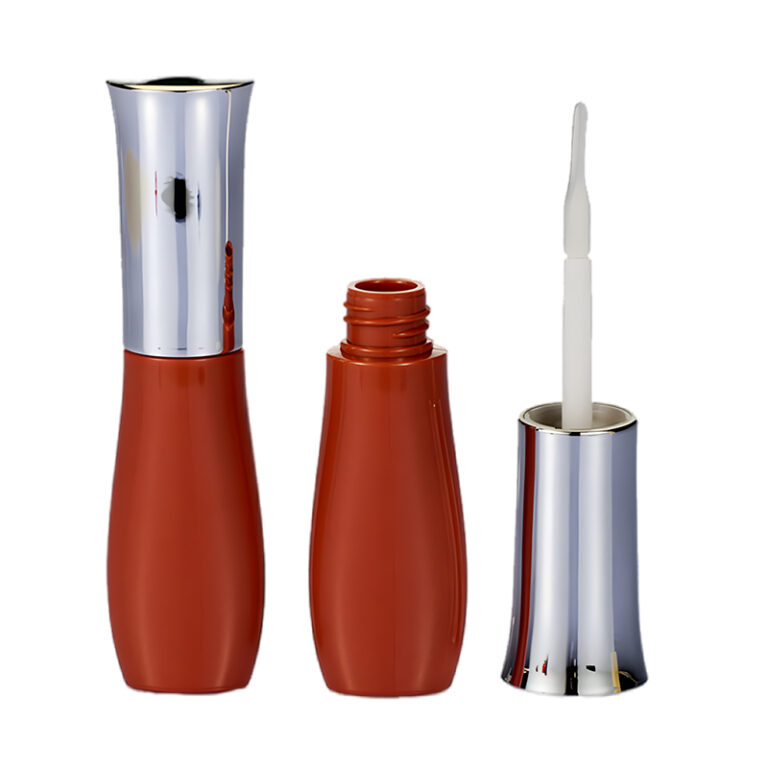
So here’s the question: how do you balance look, function, and cost, while keeping your fill-line and customers happy? We’ll break down the trade-offs brand teams face, and how smarter choices reduce waste, rework, and stress. Ready to see what actually matters in the tube, the wiper, and the cap—plus the process behind them? Let’s step into the details and set up a clear path to compare options side by side.
Hidden Friction in Sourcing: What the Gloss Hides
Where do small leaks start?
When teams evaluate a china clear lip gloss tube, the eye goes to shine and shape. Yet most failures trace back to fit between three parts: barrel, wiper, and cap. Look, it’s simpler than you think. If PETG walls vary, the wiper’s interference fit shifts. If injection molding tolerances drift, the stem drags and shaves. If cap torque relaxes after 24 hours, micro-gaps open—funny how that works, right? None of this is visible in a glossy sample shot. It shows up during transit, heat cycles, and consumer use.
Here’s the deeper layer many teams miss: consistency beats perfection. A perfect-looking single sample can hide cycle-to-cycle variance on the press. That’s why you want data on wiper hardness, torque retention after capping, and leak test method (vacuum vs. squeeze). Ask how the supplier controls cooling time and gate vestige during injection molding, because that affects stem straightness and wiper wear. Small steps—like verifying wiper durometer and applying a standard cap torque test—cut failure rates more than switching to a “premium” cap. Technical, yes, but very doable with a simple incoming QC plan.

Forward-Looking Principles That Change the Comparison
What’s Next
Now shift the pace. The next wave from experienced china clear lip gloss tube manufacturers uses new control methods, not just new shapes. Think SPC on cap torque, laser-gated vision checks for stem straightness, and tighter control on wiper geometry. The principle is simple: stabilize interfaces, then the formula behaves. A small tweak—pre-aging caps 24 hours before torque test—can predict real-world relaxation. Another: measuring optical haze on barrels to catch stress whitening that shows up after filling. These steps don’t add drama; they remove it.
Here’s how to compare options in a practical, semi-formal way (no lab coat needed). First, seek process evidence, not promises: request a control chart for leak rate and torque over three lots. Second, ask about material pairing: PETG barrel with a TPE wiper of specified durometer; ABS or anodized cap with stable liner. Third, verify inspection flow: in-line vision, sample frequency, and a documented leak test at 0.2 bar for at least 30 seconds. With that, you can evaluate three key metrics before you commit: seal integrity rate under heat cycle; torque retention at 24 and 72 hours; and optical clarity with haze percentage below your brand threshold. That’s your short list—and it makes the choice fair, transparent, and repeatable. Close the loop by noting who will share these numbers during pilot, and who will keep sharing them after launch. For a steady partner in this method-first approach, see NAVI Packaging.