
Introduction — a workshop moment, some hard numbers, and a question
I remember standing in a cold shop at dawn, watching a machinist fuss with a worn tool turret while coffee steamed in his hand — that image stays with me. Turret lathe manufacturers face that sight every day, and many report (quietly) scrap rates creeping past 8–12% on short runs; downtime eats profit like rain on peat. So I ask: how do we make those mornings less tense, and the machines more loyal? Aye, I want us to get practical here — not just theory. In the next sections I’ll walk through what usually goes wrong, and then look ahead to clearer fixes. — Let’s move on and peel back the layers.
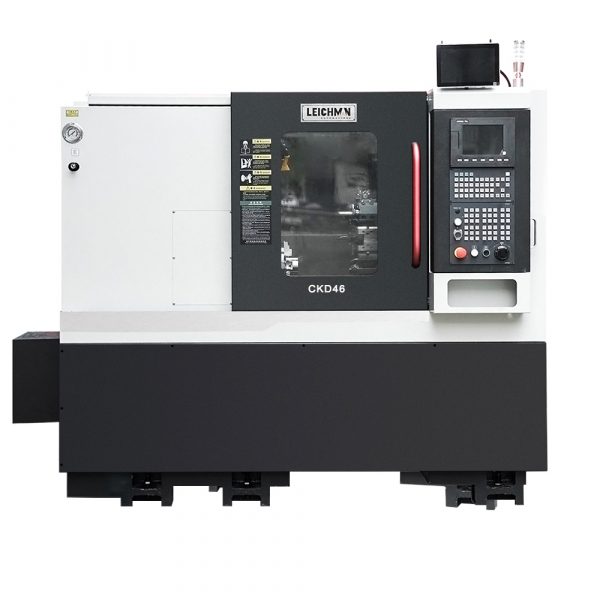
Part 1 — Why classic fixes fail for the cnc vertical turret lathe (and what that really costs us)
What’s the real problem?
First, let me be blunt: the usual quick fixes—tighter qc checks, faster spindle speeds, or buying a marginally newer controller—often miss the point. When I say “miss the point,” I mean shops still struggle with repeatability and unexpected turret index errors even after those steps. A cnc vertical turret lathe needs correct servo drive tuning, reliable tool turret seating, and clean power to the spindle to behave. If any of those are off, you get chatter, miscuts, or waste. Look, it’s simpler than you think: one bad encoder, one loose turret clamp, and the whole run goes sideways. That costs hours and morale.
Second, many teams underestimate hidden costs. I’ve seen downtime logged as a single “setup delay” when in fact it was a cascade: wrong turret offsets, an underpowered spindle motor, and then an operator changing feeds by feel. Those ripple effects hit delivery dates and customer trust. You can fix a worn tool post — but not the lost confidence. From a parts perspective, tool life, coolant quality, and accurate CNC controller parameters (like proper C-axis handling) all play a role. We must stop treating symptoms alone; we need to diagnose the machine as a system — servo, spindle, coolant, indexer — then act. — That’s where better principles come in.

Part 2 — New technology principles for a steadier shop floor
How do modern systems change the game?
I want to shift from what breaks to what fixes it. New control strategies marry better sensors with smarter logic. For example, adding simple spindle load monitoring and smarter turret index checks can spot a binding tool turret before it ruins a run. Integrating a CNC controller with condition monitoring (yes, even small shops can use lightweight edge computing nodes) lets you see trends: rising spindle vibration, creeping backlash, or a servo drive drawing odd current. We can catch faults early — funny how that works, right? When I specify upgrades, I look for reliable encoders, rugged power converters, and easy-to-read diagnostics. Those give us real, usable data rather than more blinking lights.
Second point: design your fixes for people. Operators need clear prompts — not cryptic fault codes. A simple dashboard that highlights “tool offset drift” or “index torque spike” reduces guesswork. I’ve watched teams cut set-up time by a third simply by improving feedback and training around it. These principles—sensor-first, human-friendly feedback, and targeted tuning—are small changes with outsized returns. They keep the spindle humming, the turret consistent, and the shop less prone to late-night scrambles.
Part 3 — Putting it together: practical steps and measures for choosing upgrades
What’s next for your shop?
Now I’ll be direct: start with a short audit. Walk the floor, talk to the machinists, and log recurring faults. Then compare options: retrofitting better encoders or replacing an old PLC, adding spindle condition monitoring, or updating the turret indexer. When you read spec sheets, look for compatibility with your existing servo drive and whether the vendor supports straightforward diagnostics. I often recommend incremental changes — add a vibration sensor to the spindle, then link it to a simple alarm. You get early wins, and crews buy in faster.
Here are three metrics I use when advising a shop (use them, they’ll save you time): 1) Mean Time Between Faults (MTBF) — how often the same issue returns; 2) Setup-to-cut time — minutes from first clamp to first acceptable part; 3) Yield on first pass — percent of parts within tolerance without rework. Measure those before and after any change. If MTBF doubles and first-pass yield climbs, you’ve won. If not, rethink the approach. I’ll say it plainly: I prefer simple, testable steps over grand, shiny promises. — That’s been my rule of thumb.
Finally, if you want a vendor that understands both the machine and the people who run it, take a look at Leichman. I’ve seen them help shops pick sensible upgrades that last. We’ve covered problems, hidden pains, and new principles — now it’s about doing the work. I’ll be rooting for you; it’s satisfying to see a stubborn turret finally behave.