
Introduction: Clarity Wins the Room
Clear speech decides outcomes. In a modern wireless conference system, small errors grow fast and spoil the meeting flow. Picture a city council night with a full agenda, many delegates, and press on the back row. A chair taps the mic, a voice drops out, and the transcript misses key lines. With a wireless gooseneck microphone system, the promise is simple: mobility without losing signal integrity. Yet reality is complex. Studies across AV teams report that more than half of complaints come from inconsistent gain and uneven pickup, not from loud failures. Latency spikes, packet loss, and stray chatter stack into fatigue (and lost trust). So we ask: is the issue the gear, or the way we match the gear to the room?
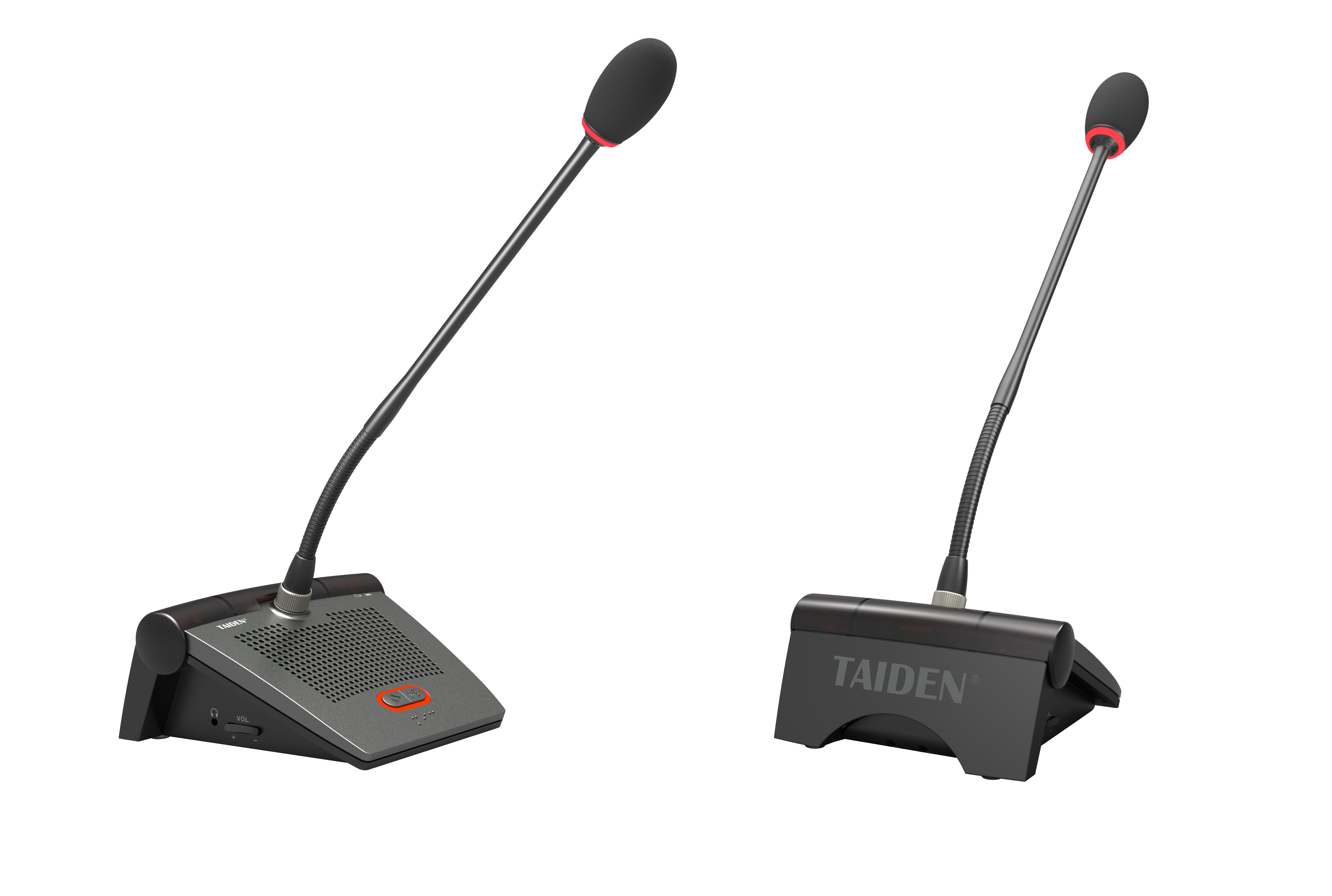
We will examine the signal path as a system, not a gadget. We will look at acoustic geometry, RF spectrum planning, and the human workflow around them. The goal is practical clarity, not hype—because a boardroom is not a lab. Next, we analyze what goes wrong in traditional setups and why it persists.
Beyond the Surface: Why Old Methods Break Down
Where do the bottlenecks hide?
Technical view first. Many legacy approaches lock channels at fixed points in a crowded band. In dense buildings, that RF spectrum is already noisy. A single access point nearby can change the noise floor. When the system lacks antenna diversity or smart scanning, your signal-to-interference ratio dips. The jitter buffer tries to help, then adds delay. Echo cancellation fights back, then pumps audibly—funny how that works, right? Older auto-mixers have slow attack times, so overlapping speech smears. Add unsecured links without proper AES encryption, and IT blocks them on policy. Look, it’s simpler than you think: weak coordination between RF, DSP, and room layout causes most “random” dropouts.
Human factors add more friction. Battery swaps drift off schedule, so a confident speaker hits low power mid-vote— and yes, it catches people off guard. Table layouts move; lobes from fixed gooseneck capsules now miss mouths by 10–15 cm, cutting intelligibility before gain structure even starts. LED walls spray RF noise. Cheap power converters inject hiss. Without clear QoS rules, other traffic wins during a live stream and raises latency. The net effect is not dramatic failure but quiet loss: phrases clipped, sibilants softened, people asking to repeat. A robust wireless gooseneck microphone system must coordinate beamforming, channel agility, and monitoring, or these small issues keep multiplying.
Comparative Insight: New Principles and Practical Choices
What’s Next
Forward-looking systems fix the chain, not a single link. New designs use dynamic channel allocation with fast scanning across sub-bands, plus antenna diversity that reacts to movement. Some adopt OFDM to spread data and resist narrowband hits. On the audio side, on-device DSP runs near the capsule, so gain steps and noise suppression happen before transport. Auto-mixing with adaptive thresholds respects overlapping talk without choking the floor. Management tools track battery cycles, RF health, and seating maps. In practice, that means the wireless conference microphone becomes a node in a managed network, not a lone mic hoping for luck. Security is baked in with modern encryption and audit logs. Latency stays predictable because the system treats it as a budget, not a side effect (small things, big impact).
So how to choose? Use three simple, testable metrics. 1) RF resilience under load: verify clean speech with 20+ active mics, moving bodies, and a busy hallway; check SINR, not just bars. 2) End-to-end latency at scale: measure mouth-to-recording delay with full traffic; aim for stable numbers, not just low ones—stability keeps turn-taking natural. 3) Lifecycle management: confirm battery telemetry, fault alerts, and firmware safety; downtime hides in these details. Compare systems side by side with the same room, the same interference, the same speech patterns. Summaries are clear: robust channel agility, smart DSP near the source, and transparent monitoring reduce risk and stress. People speak, others hear, and decisions move faster. That is the point, after all. Learn more about the ecosystem at TAIDEN.