
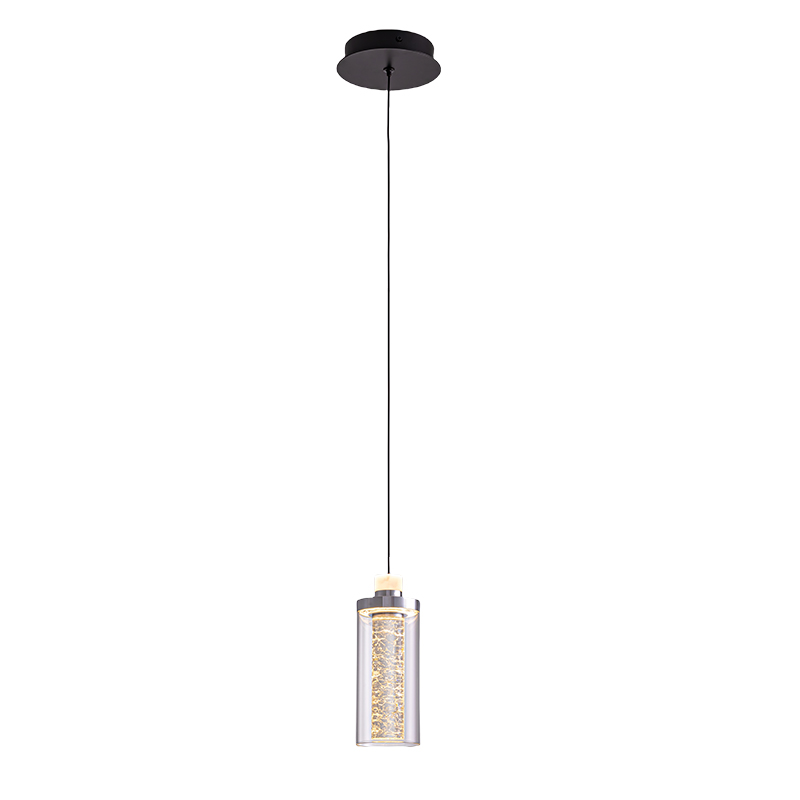
Introduction: A Room, A Switch, and the Quiet Math of Light
I stepped into a lobby at dusk, and the light seemed to breathe—soft on the eyes, crisp on the marble, warm on the faces passing by. led lighting manufacturer china. Buildings spend a lot here: lighting can claim up to 15% of power use, and heat can rob 20–30% of lumen output if design goes wrong (tiny choices, big outcomes). So, how do we compare vendors when specs look the same, yet rooms feel so different? We ask about thermal management, driver quality, and CRI—but we also test how the light lives with us. Does it dim cleanly without flicker? Do power converters hum? Does the beam cut glare or spill?
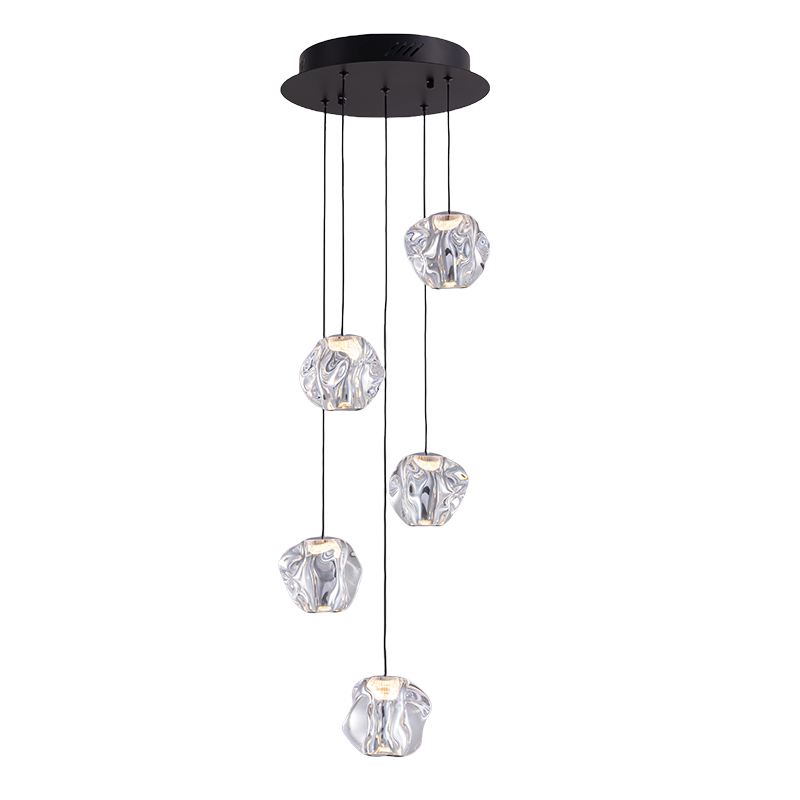
Here is the quiet truth: people notice the mood before they notice the metrics—funny how that works, right? And still, numbers matter. Dimmable drivers need stable current. Optical diffusers must tame hotspots. Binning affects color drift over time. So we weigh emotion with evidence. We read the space like a poem, then check the math like an engineer (both are needed). Let’s compare where it counts and move from glow to craft, from promise to proof—onward.
Hidden Seams in Pendant Beauty: The Acrylic Test
Where do acrylic pendants fall short?
Look, it’s simpler than you think. Many acrylic pendant light fixtures promise even glow and light weight. Yet the pain points show up at install. Optical acrylic can yellow if UV stabilizers are weak. Edge-lit designs may band when the diffuser and LED pitch don’t match. Constant-current drivers can still flicker under PWM dimming, especially with cheap triac interfaces. And the glare? If the lens geometry ignores UGR targets, a glossy counter becomes a mirror. Most “traditional fixes” add thicker diffusers or higher wattage. That wastes power and dulls contrast.
There’s also the quiet failure: thermal pathways. If the LED board sits on thin aluminum without a proper heat spreader, junction temps climb and lumen maintenance drops fast. Then color shift creeps in. CRI 90 becomes CRI-ish. Controls stumble too. 0–10V lines run long, pick up noise, and the pendant stutters at low dim levels. The old solution—bigger drivers, more capacitance—only hides the root cause. Better: tuned drivers with low ripple, smart surge protection, and PCB layouts that move heat to a real sink. Precision beats brute force.
Comparative Futures: Smarter Optics, Cooler Cores, Truer Color
What’s Next
We move forward by principles. First, optics. Micro-structured diffusers can spread light without fogging the scene. They cut glare while keeping contrast. Second, power. Buck drivers with low ripple current and smooth dim curves fix the flicker at 1–5% light levels (the “mood zone”). Third, thermal. Copper-inlay MCPCBs and discreet heat paths keep junction temps stable, so color stays true and lumen output stays honest. This is where an LED lighting manufacturer proves itself: not in a glossy spec sheet, but in controlled heat, clean drivers, and measured UGR. Compare vendors on these cores and the rest tends to align—funny how that works, right?
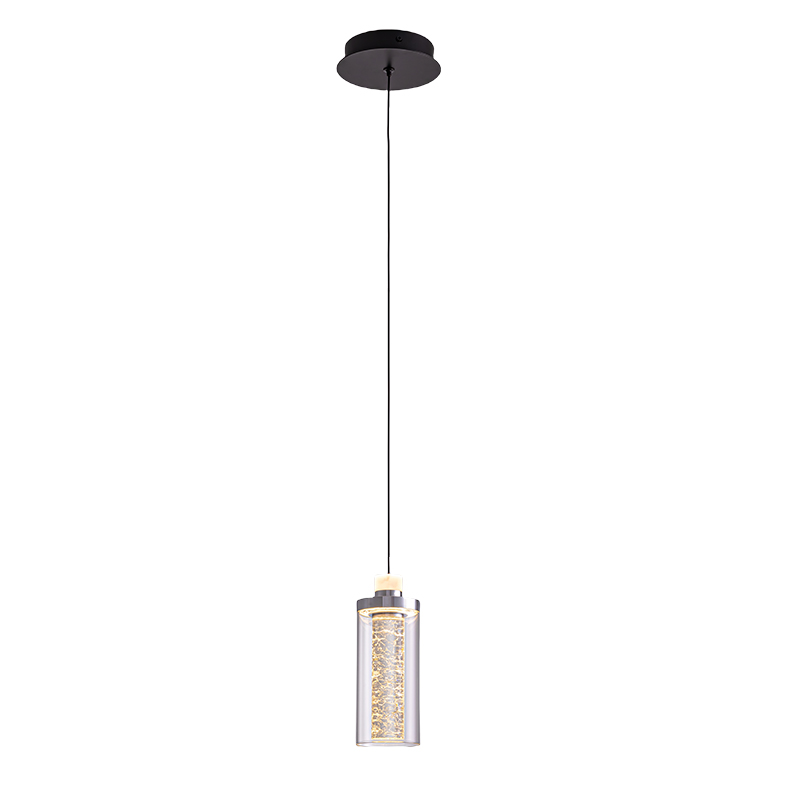
Materials bring a sibling story. Acrylic stays light, but future blends add UV guards and anti-static coats to resist haze. In parallel, a textured glass option like a crackle glass pendant light can shape sparkle without harshness—especially when paired with a high-CRI array and a tight beam cutoff. Case by case, we’ve seen low-ripple drivers cut headache reports to near zero, and better heat sinks extend L90 life by years. To choose well, use three checks: 1) Verify driver ripple and dim-to-dark behavior on-site; 2) Measure junction temperature under worst-case ambient; 3) Validate glare with UGR or a real-space camera test, not just CAD. That way, beauty isn’t an accident. It’s repeatable. It holds up at 7 p.m. and at year seven. For a grounded reference point, see makers like kinglong.