
Introduction: The Rush Room Test, By The Numbers
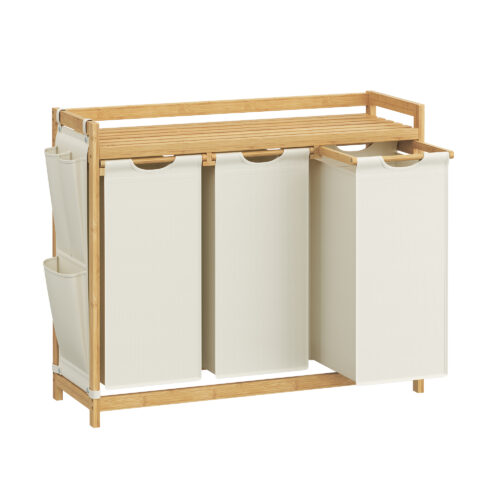
Here is the truth: the morning rush exposes every weak basket. For laundry basket manufacturers, the basement corridor at 7 a.m. is the real lab (yani). Last quarter, field audits showed a 22% spike in handle fatigue and a 15% rise in liner mildew. Many buyers now look at bamboo frame laundry basket wholesale options to cut failure points and simplify the SKU mix. Yet the choice still feels messy. Which build holds up when carts slam, floors stay damp, and crews work fast? And how do we compare designs in a clean, fair way that also scales? Let’s move from trend talk to a tougher, side-by-side frame check—and see what truly matters next.
Hidden Flaws Behind “Good Enough” Baskets
Where do users struggle?
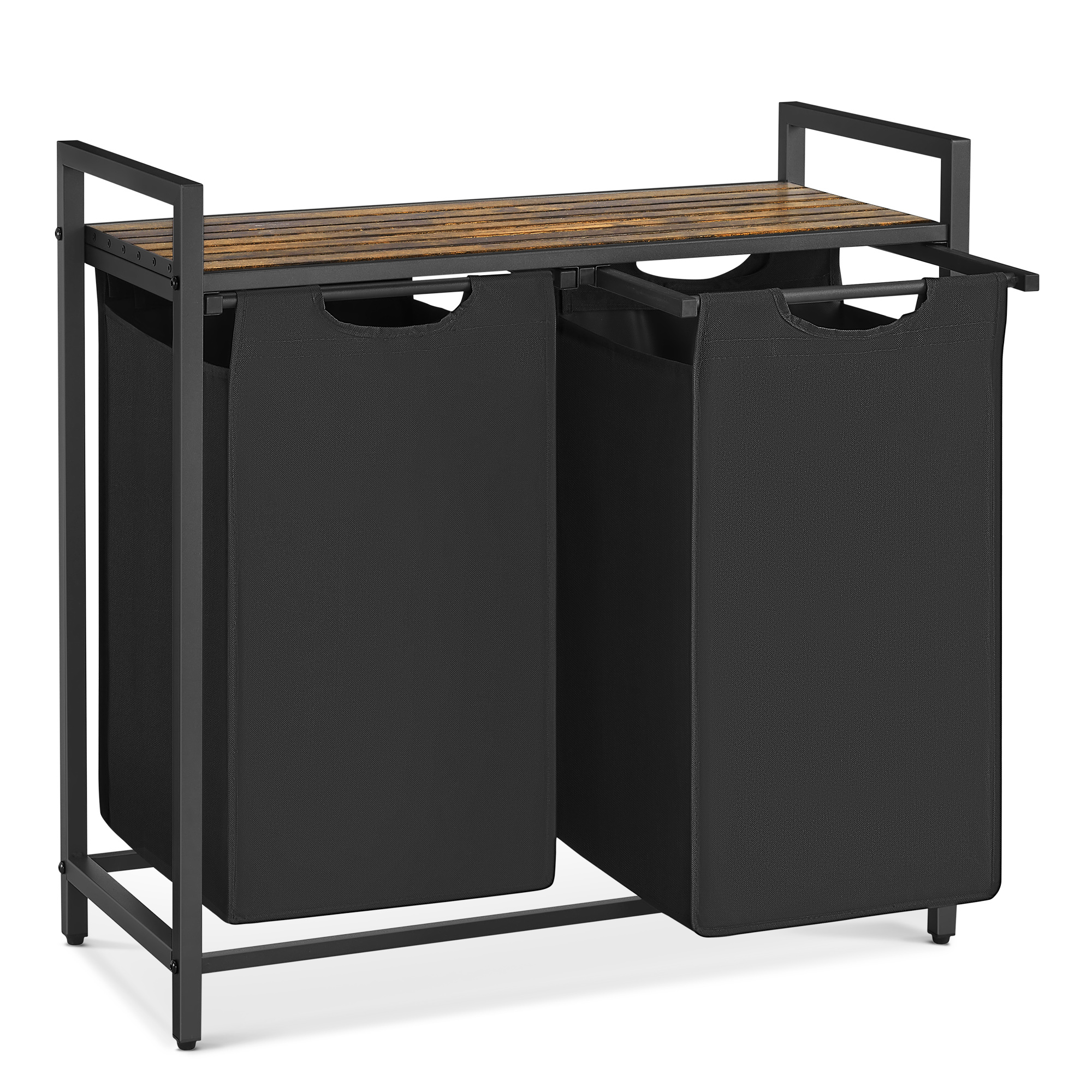
Let’s be technical for a moment. Most failures do not start at the bin wall. They start at stress nodes: joints, handles, and lid pivots. Legacy plastic frames pass a simple load-bearing test, but they twist under side torque in narrow halls. Bamboo frames can do better here if the slats get the right fiber orientation. Still, moisture is a silent killer. Bathrooms trap humidity; liners that do not breathe trap more. Odor rises, and mildew creeps in. Look, it’s simpler than you think: bad airflow plus slow dry time equals high return rate. QC protocols catch cracks, but they miss the everyday rub—bag snag, hinge scrape, and trolley bump.
User pain points hide in the workflow. A basket that stacks well in a warehouse may snag on towels on the floor. A lid that looks premium can need two hands in a rush. Handles that feel fine in tests fail when gloves add bulk. These are small frictions, yet they stack. Procurement wants SKU optimization. Ops wants fewer steps. Both want shorter supply chain lead time. When the frame, liner, and hardware are not tuned as a system, the cost shows up in rework, not in the BOM—funny how that works, right?
Next-Gen Builds vs. Old Fixes: A Clearer Way Forward
What’s Next
Now shift the lens to principles, not parts. New builds use better joinery and coatings, not just thicker walls. Cross-grain bamboo with sealed edges resists split at the screw. Breathable liners with anti-mildew coating reduce odor without extra wash cycles. Hardware that spreads force across the frame neutralizes hinge hotspots. When you compare wholesale laundry baskets, test by behavior: torsional rigidity under side impact, dry-time after mist exposure, and cycle count on the handle. Technical, yes—but it keeps decisions simple. And it prevents the old trap of chasing a low unit cost that drives up service cost later.
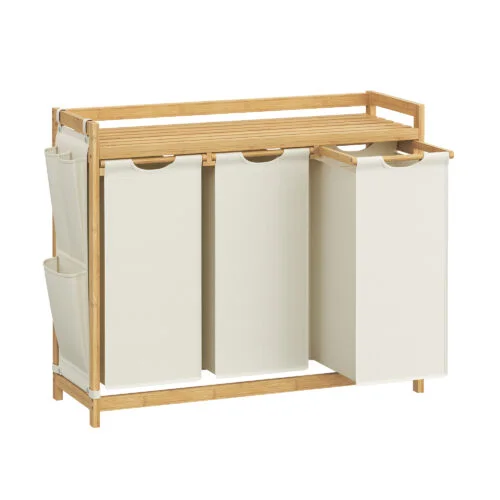
So what does a better decision look like in practice? First, weigh performance per gram, not just total weight. Light but stiff frames move faster and reduce strain. Second, check moisture ingress over time, not just day one. A 48-hour high-humidity hold tells you more than a pretty finish. Third, verify hardware life with a 10,000-cycle open-close test. Summing up, we learned that real pain points live at the joints, in airflow, and in handling speed. Better bamboo builds address those issues by design, not by patch. Advisory close: choose with three metrics—frame stiffness per weight (N/mm per 100 g), humidity endurance (no warp or odor after 48 hours at 95% RH), and handle cycle life (>10,000 with no play). Keep these, and your baskets run longer, crews move faster, and returns drop. For an industry view grounded in daily use, see SONGMICS HOME B2B.