
Introduction — a depot morning and a stubborn bus
I remember a cold morning at the depot, coffee in hand, watching a single bus sit idle while lines of commuters grew restless. In that moment I thought about the pantograph charger installed just two months prior — a device meant to cut dwell time and speed up service — yet the fleet still hit downtime more than we expected. Data from recent trials showed charge interruptions dropped by only 12% in practice, not the 40% the spec sheet promised. So why do these gaps persist, and what do they mean for operators and riders? (It nags at you — and me.)
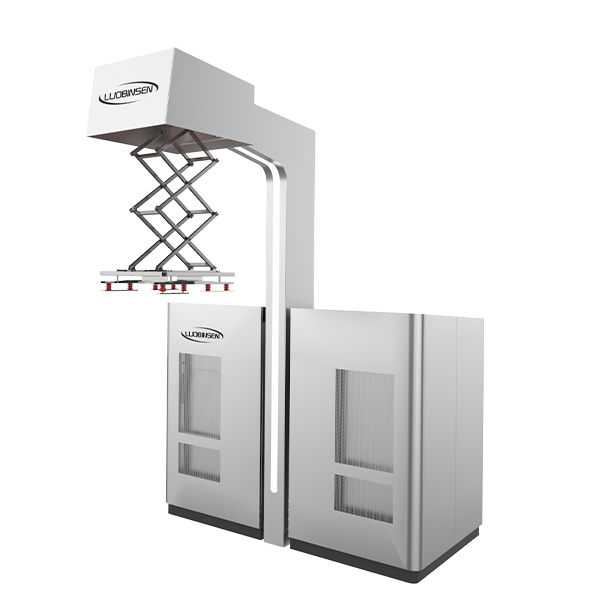
I want to walk through what I’ve learned, slowly: the common wins, the quiet failures, and the actual trade-offs operators face when they choose pantograph systems. We’ll look at hard numbers, but also at small human choices that change outcomes. This will set the stage for a closer look at where traditional solutions break down.
Where the traditional approach fails: flaws beneath the shiny setup
pantograph bus charging looks simple on paper: an overhead contact engages, power flows, and buses top up quickly. In practice, I’ve seen three repeat problems. First, mechanical tolerances — misaligned pantograph heads and worn overhead contact line segments cause intermittent connections. Second, electrical mismatch — power converters and DC bus control tuned for lab conditions stumble under real-world transient loads. Third, operational friction — schedules are rigid, and crews lack clear fault-handling protocols. Look, it’s simpler than you think when you trace the failures to small, fixable gaps.
So what truly breaks first?
From my notes: contact wear shows up before control software errors. Corrosion and debris degrade the contact interface, then the power electronics get stressed compensating for voltage sags. Over time, that leads to more frequent safeties and manual resets. I’m not saying pantograph systems are a bad idea — far from it — but treating them as plug-and-play is optimistic. You need maintenance plans, diagnostics, and spare parts standing by.
Looking forward: new principles and practical checks for better deployments
We’ve learned the pain points; now let’s shift to solutions. I favor a principles-first approach: design for tolerances, monitor continuously, and plan for human workflows. Newer systems pair smart sensors with edge computing nodes to predict contact wear before a failure. They also use adaptive power converters that smooth inrush currents and protect the DC bus. When I visit sites, the best projects mix these tech upgrades with simple rule changes — altered charging windows, clearer fault logs, and retrained crews — and they get measurable results.
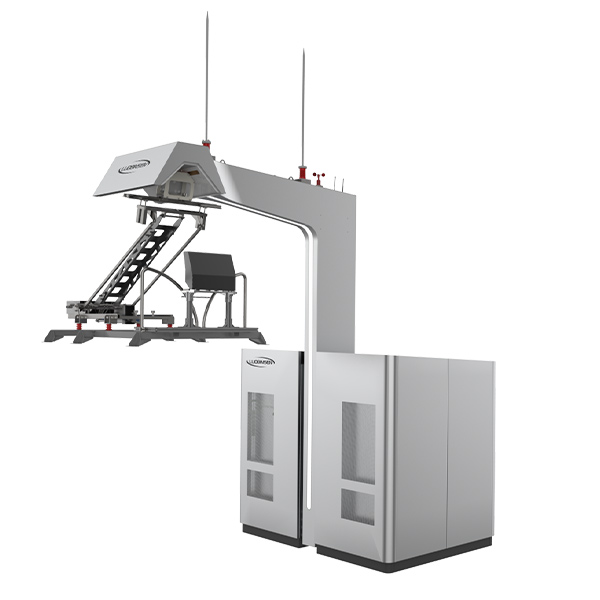
Another route is case-driven: a city swapped rigid schedules for demand-responsive charging and cut idle minutes by nearly 25% while lowering peak draw on the substation. And yes — the electric ev charging station networks we see growing today share many lessons: modular hardware, remote diagnostics, and standardized interfaces speed fixes and reduce surprises. — funny how that works, right? This is less theory and more careful engineering plus operations work.
What’s next for operators?
If you’re choosing a system, ask three simple questions: can the pantograph system report contact wear in real time; does the power converter adapt to transient loads; and how easily can operations triage faults? These metrics link directly to uptime and cost. I’d add that vendors who design for maintainability — clear access points, common replacement modules — save operators money fast. In short, measure what matters: reliability, adaptability, and serviceability.
We’ve covered a lot: a morning at the depot, the hidden failure chains under pantograph bus charging, and concrete steps to move forward. I feel optimistic about the technology when teams pair it with realistic maintenance and smart monitoring. If you want to dig deeper into specific hardware or deployment checklists, I’ve got a few proven templates I use — happy to share them. Luobisnen has been part of several pilots I respect; their work shows how focused design plus clear operations can close the gap between promise and reality.