
Introduction — a quick scene, a stat, and a question
I remember watching my neighbor squint at the mirror after a weekend of coffee and grilling — we all have that moment. Oral Care Silica crops up in almost every conversation about gentle whitening now, and for good reason: about 60% of adults say they want a safer, everyday whitening option (and yes — I checked a few surveys). So what really makes one silica-based paste work better than another, and why do some seem to deliver lasting results while others do not? I’ll walk you through what I’ve seen and learned, step by step — no fluff, just practical points you can use next time you read a label.
Part 1 — Where common approaches stumble (technical view)
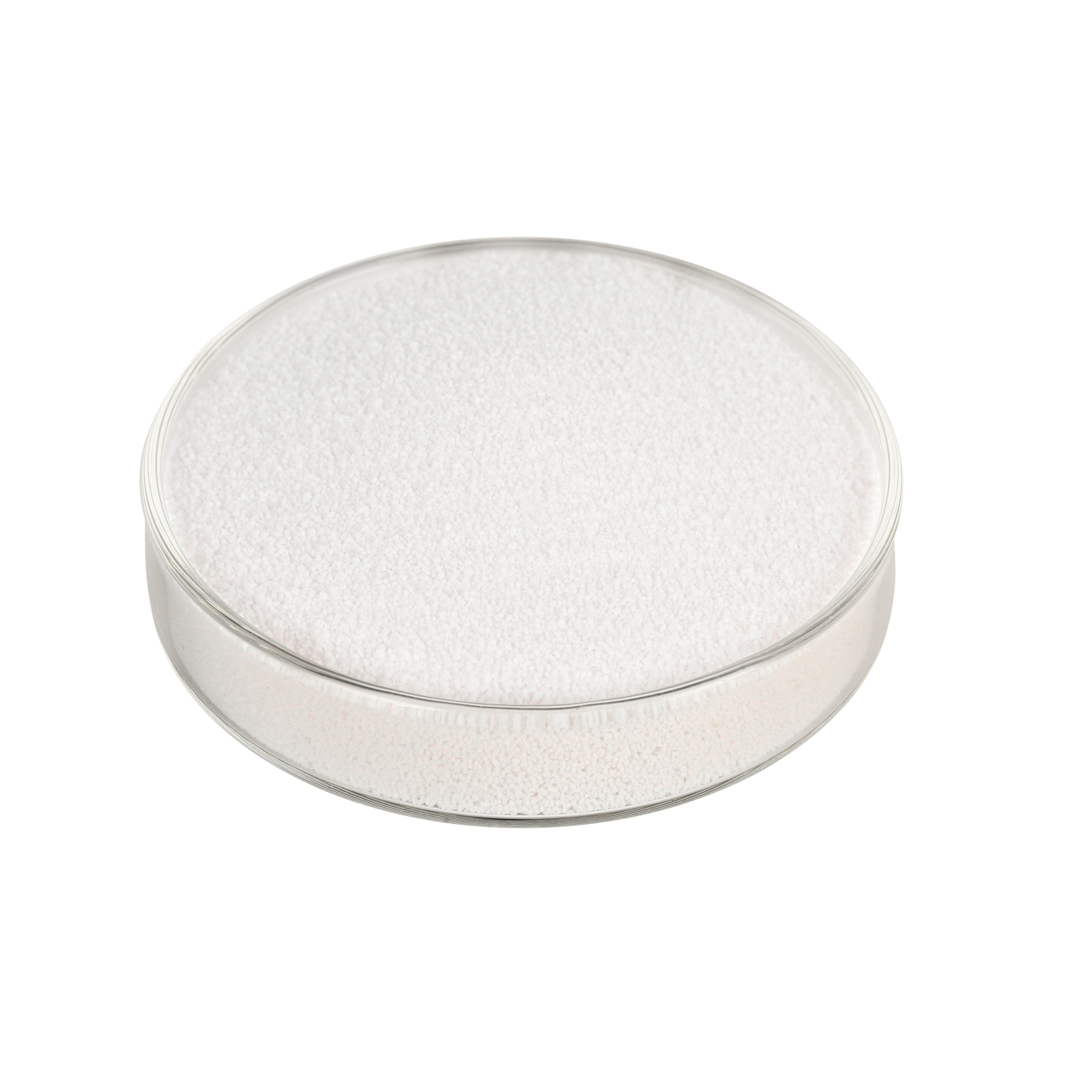
hydrated silica teeth whitening is often marketed as a one-stop fix, but the truth is more complex. When I dig into formulations, issues like particle size distribution, surface morphology, and Relative Dentin Abrasivity (RDA) explain a lot. Too coarse a particle mix ramps up cleaning power but risks enamel wear. Too fine, and the product feels gentle but barely removes surface stain. I’ve seen lab sheets that boast high surface area for polish — but polish alone won’t change underlying discoloration.
Look, it’s simpler than you think: manufacturers chase balance. They tweak hydrated silica loading, binder systems (thickeners and humectants), and surfactants to get taste, texture, and cleaning all in one tube. Yet many formulations still miss user pain points — uneven stain removal on composite restorations, gritty mouthfeel, or short-lived brightness. That gap is where real product differences show up. — funny how that works, right? In short, you want a formula that matches particle engineering with realistic user expectations, not just glossy claims.
Why does particle shape matter?
Because shape controls contact — flat platelets polish differently than rounded beads. That’s a simple fact, and it changes perceived smoothness and long-term abrasion.
Part 2 — Comparing new principles and what to watch for
Now let’s look forward. When I compare modern approaches, a few emerging principles stand out: controlled particle morphology, surface functionalization, and smart binders that release polishing action without high RDA. Again, hydrated silica teeth whitening appears in many of the better formulas, but the difference comes down to engineering the silica for purpose. Particle size distribution and surface area are not marketing words; they are design levers. I’ve followed case data where modest changes to morphology cut abrasive impact while keeping stain lift — measurable and repeatable. — it surprised me the first time I saw the numbers.
From a practical standpoint, compare samples not only by whiteness after one use but also by enamel gloss, long-term abrasion metrics, and user comfort. Check RDA values, ask about coating or silanization (surface treatment), and probe whether the paste targets common stains versus deep chroma shifts. I tend to favor balanced formulas that admit a small trade-off in instant sparkle for steadier, safer gains over months. We’re often tempted by quick wins; resist that urge. The best choices are engineered for steady performance.
What’s next for consumer choices?
We can expect more tailored abrasives — think graded particle mixes — and better surfactant systems that lift stain without drying the mouth. New test methods are also coming that mimic real brushing patterns rather than single-stroke lab tests. That should help consumers and formulators align expectations and outcomes — practical wins for everyone.
Conclusion — three metrics I use when I pick or recommend a product
I’ll leave you with three clear, usable evaluation metrics I rely on. First: RDA and long-term abrasion data — low enough to be safe, high enough to clean. Second: particle profile and surface treatment — ask for particle size distribution and whether the silica is surface-modified. Third: real-world user factors — mouthfeel, taste, and how the paste handles restorations over time. Measure those, and you’ll sidestep a lot of hype. If you want a quick checklist: safety (abrasivity), efficacy (stain lift), and comfort (sensory).
We’re not chasing instant miracles here. Instead, I want you to pick products that give steady, visible results without trading enamel health for a brighter smile. For manufacturers and formulators, the work is clear: marry material science with honest user testing. For shoppers, keep those three metrics in mind — and if you’re curious about engineered silica solutions, check JSJ for technical details and data. JSJ