
Opening: Why Sound Sets the Tone
Define the room well, and the room will define the outcome. A conference room mic system is not only about volume; it is about clarity, timing, and trust. Picture a quarterly review with remote teams: one speaker leans back, another turns a page, and a third joins late from a train. In many rooms, 20–30% of talk time gets lost to “say that again,” even when the agenda is crisp. Studies show speech intelligibility below 0.70 STI drives fatigue and rework. So, what must we demand—from the gear and from ourselves—to deliver meetings that sound as good as they look (and not the other way around)?
Here is the scenario: senior leaders make decisions in minutes, not hours. Yet the audio chain falters when voices move, tables shift, or HVAC ramps up. Numbers tell the story. A 200-millisecond delay breaks turn-taking. A poor DSP pipeline will smear consonants. A narrow pickup lobe ignores soft talkers. The question is simple: where do we gain the most, fast? The path forward lies in comparing approaches with care and humility—and then acting with the discipline of a good host. Let’s step into the details.
The Deeper Fault Lines Behind Fuzzy Audio
What keeps legacy setups from keeping up?
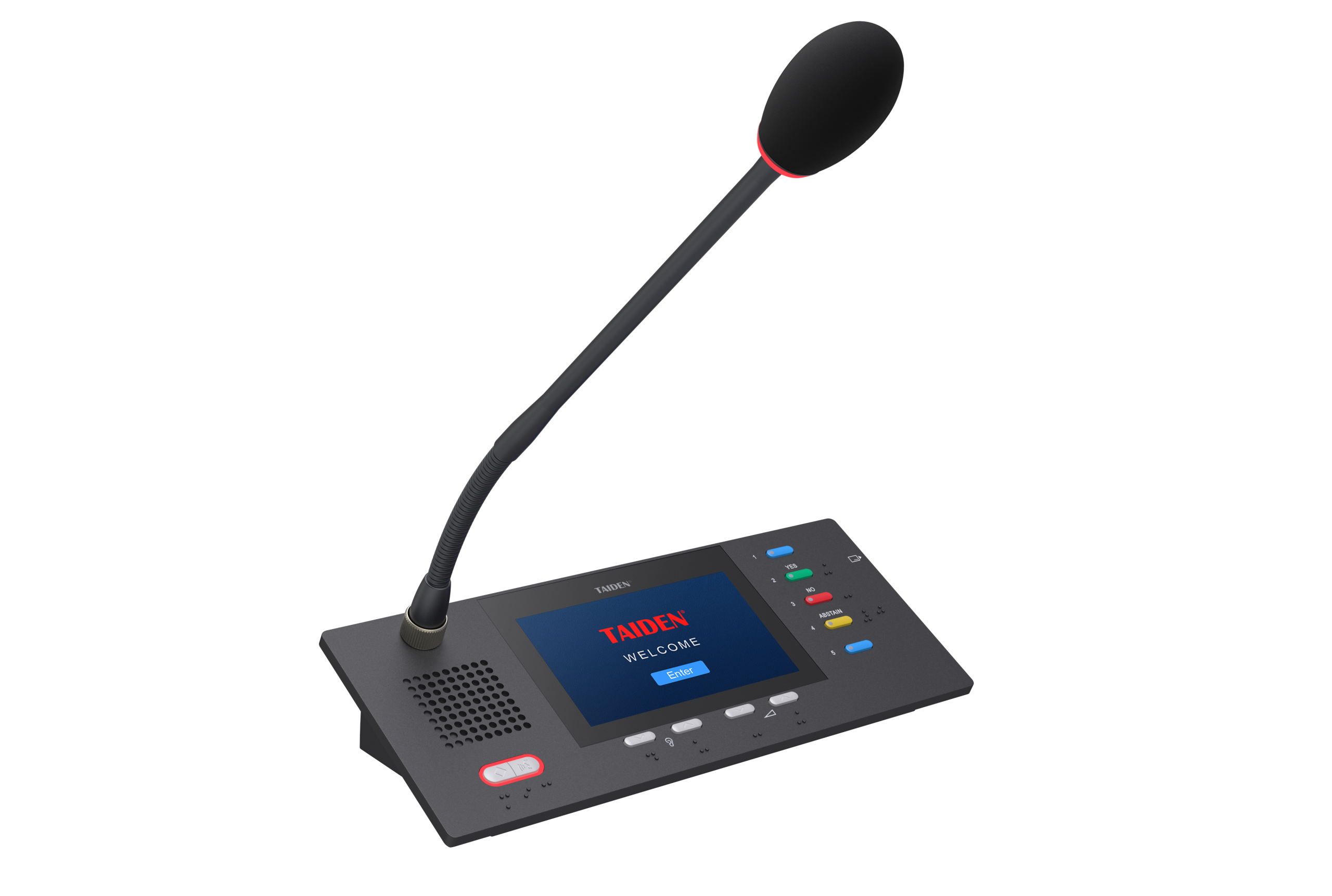
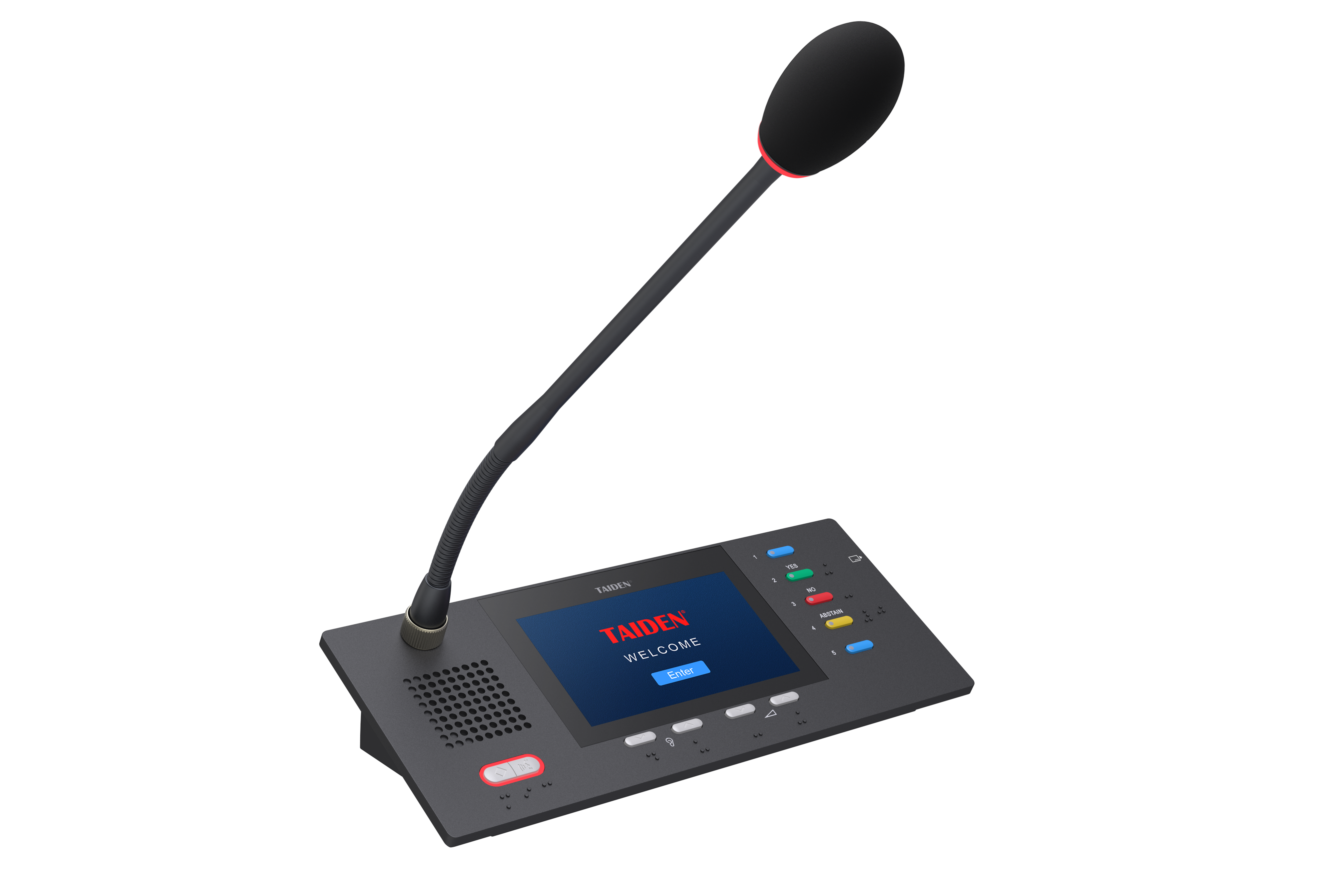
Insights from a top microphone manufacturer make one point clear: the old mix of scattered table mics, long analog runs, and ad‑hoc gain tweaks invites error. Boundary mics boost paper rustle. Ceiling pucks hear the projector more than the speaker. Without a stable gain-sharing automix and acoustic echo cancellation (AEC), you ride the fader all day. Add a noisy rack, weak PoE power converters, or a mismatched Dante clock, and the artifacts stack up. Look, it’s simpler than you think: when the signal chain is fragile, users compensate by speaking louder, repeating lines, and pausing mid-thought—funny how that works, right?
The pain hides in motion. People swivel, stand, and lean. Legacy arrays do not track that. Beamforming helps, but only if the lobes are tuned to the room’s reverb time and seat map. Rooms also change—chairs move, partitions slide. If your automix, AEC, and noise suppression live far away in a crowded DSP rack, latency and drift creep in. Centralized fixes cannot keep pace with dynamic talkers. Add RF congestion, and a handheld mic fights for air. The result: low gain before feedback, brittle consonants, and slower decisions. The cure starts with stable pickup geometry, edge DSP at the mic, clean network sync, and clear policies users do not need to memorize.
Looking Ahead — Smarter Architectures You Can Trust
What’s Next
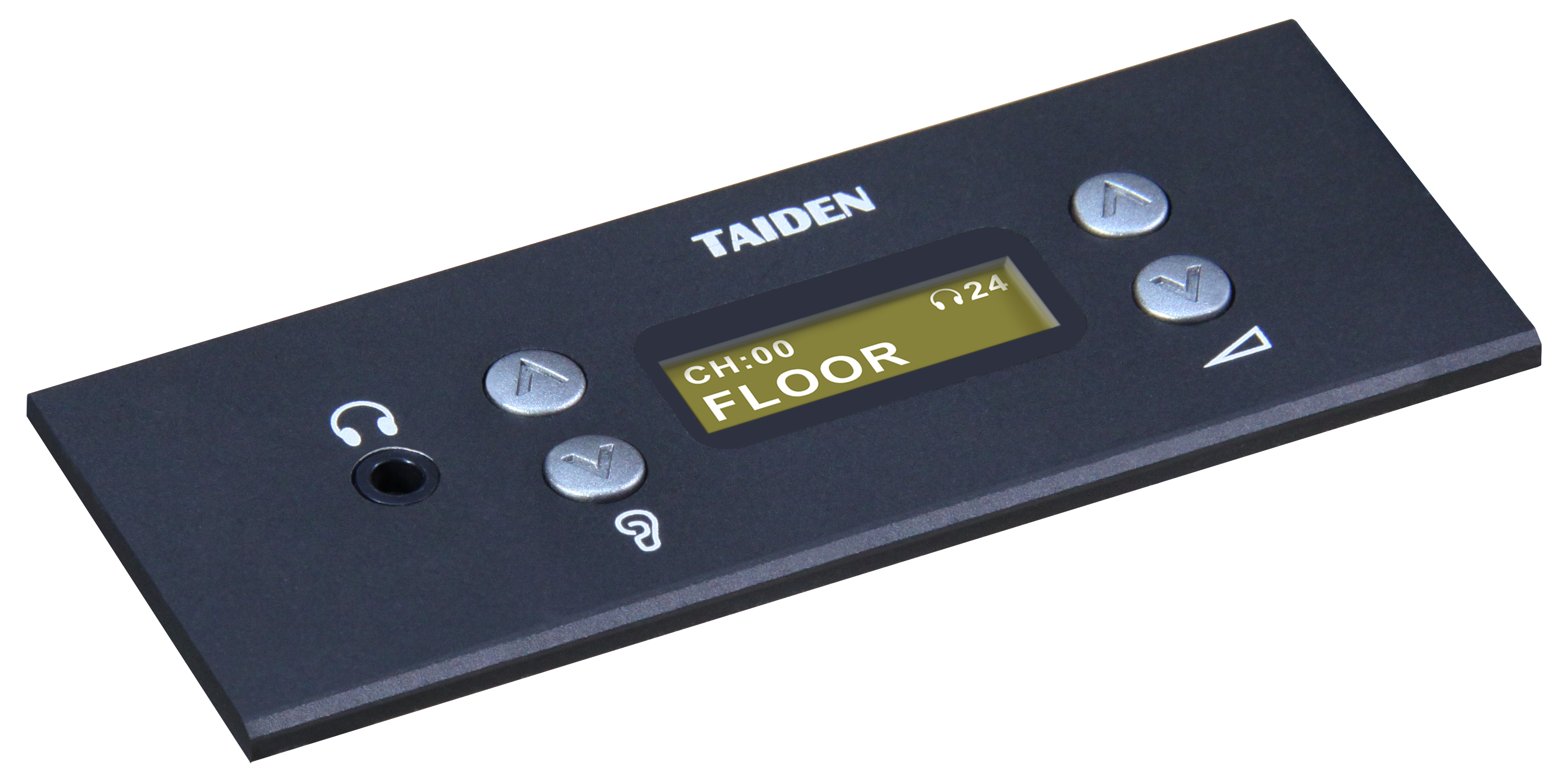
The comparative edge now comes from systems that move intelligence closer to the source. Mic endpoints with onboard DSP do the first pass—AEC, noise suppression, and gain sharing—before the signal hits the switch. This “edge-first” model shrinks latency and keeps clarity when talkers move. Modern beamforming arrays steer lobes in real time and blend talkers without pumping. Network audio (Dante or AES67) locks timing. Edge computing nodes coordinate presets by scene: board review, training, hybrid panel—each with its own lobe widths and thresholds. Even power design matters; robust PoE power converters keep rail noise out of the capsule. Pair that with a well-managed wireless conference system that schedules RF, maps channels to seats, and records logs you can audit—now the room works like a team.
Comparing yesterday to tomorrow shows a shift in control. Old rooms fixed flaws with more gain. New rooms prevent them with smarter pickup and faster decisions in the mic. Policies get lighter, too. Users press one button; presets do the rest— and yes, we checked. The path forward is clear: choose systems that learn the room, hold sync under stress, and give admins clean telemetry. As you weigh options, use three simple metrics: 1) Intelligibility you can measure—STI ≥ 0.75 or C50 ≥ 3 dB at every seat; 2) End-to-end latency under 20 ms from capsule to loudspeaker, even with AEC active; 3) Operational insight—RF heatmaps, Dante/QoS logs, and remote rollback for firmware so changes do not break meetings. When these three align, people feel heard. That is the real outcome, and it travels with the brand you trust, like TAIDEN.