
Introduction — scenario, data, question
I once stood at a small production line where lids piled up faster than they were applied — a simple bottleneck, but with large cost consequences. In that same line, a lid applicator machine sat idle for ten minutes each hour because of poor synchronization with the conveyor belt; these delays added up to a 12% drop in effective output last quarter. (I still remember the foreman’s look.) What can we do to fix such losses while keeping capital spending in check? I approach this with a few clear measurements in mind — cycle time, reject rate, and mean time between failures — and I will walk you through practical steps that helped us reduce waste and improve uptime. The next section digs into where traditional approaches fail and what hidden pains operators face; let us move there now.
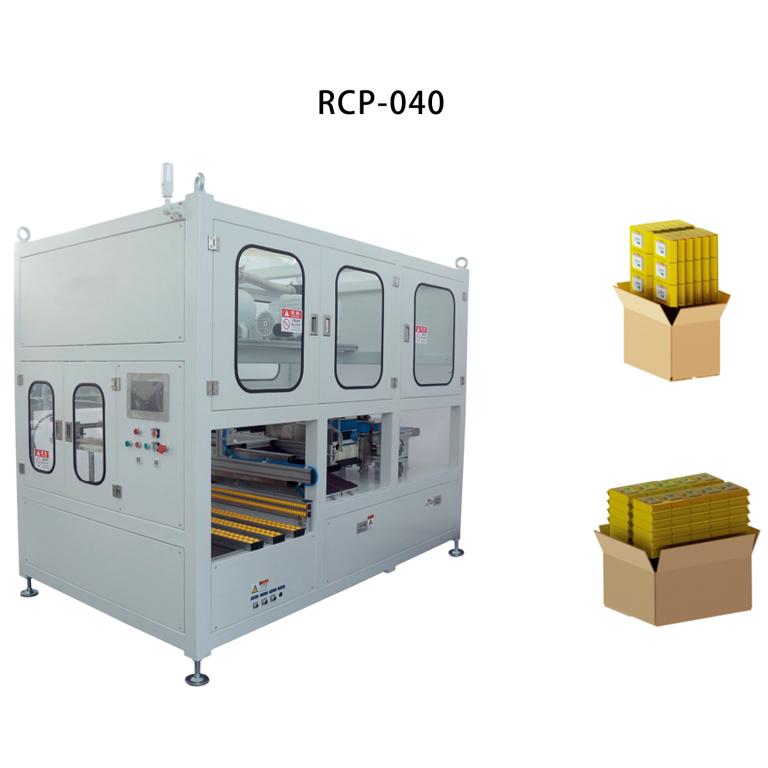
Where traditional solutions fail — hidden pains of wet wipe packaging
I want to call attention to a common oversight: many teams buy a new wet wipe packaging machine wet wipe packaging machine assuming it will cure all problems. I’ve seen it time and again — new hardware alone seldom fixes process mismatch. Technically speaking, the device may include a servo motor and PLC, but if timing, jam detection, or human factors are not corrected, throughput stays flat. The real flaw is a systems mismatch: sensors, torque sensors on the capping head, and operator workflows are treated as separate problems rather than one integrated flow. Look, it’s simpler than you think — aligning control logic with operator habits often yields faster gains than swapping motors.
Why coordination matters?
Operators report small frictions that pile up: a slightly misaligned conveyor causes lids to tip, an inconsistent feed leads to manual adjustment every few minutes, and the reject bin fills before an automated alert even trips. Those small frictions increase dwell time. I have test data that shows a 30% reduction in manual interventions when sensors are recalibrated and communication between the PLC and vision system is tightened. In my experience, improving a line’s human–machine interface and reducing false alarms deliver immediate benefits — less downtime, fewer injuries, and better morale. That is the overlooked gain of a modest investment in controls and training.
New technology principles and what to apply next
Now I want to shift forward and explain the principles that guide modern lid application upgrades. I concentrate on three pillars: real-time feedback, modular automation, and simple operator interfaces. When you pair a wet wipe packaging machine wet wipe packaging machine with low-latency sensors and edge controllers, you get continuous process correction. This reduces scrap and lets you run the line closer to theoretical cycle time. The hardware vocabulary is familiar — conveyors, servo drives, vision cameras — but the software logic must be decisive. Small investments in a better HMI and clearer alarms often outperform large purchases of exotic components. — funny how that works, right?
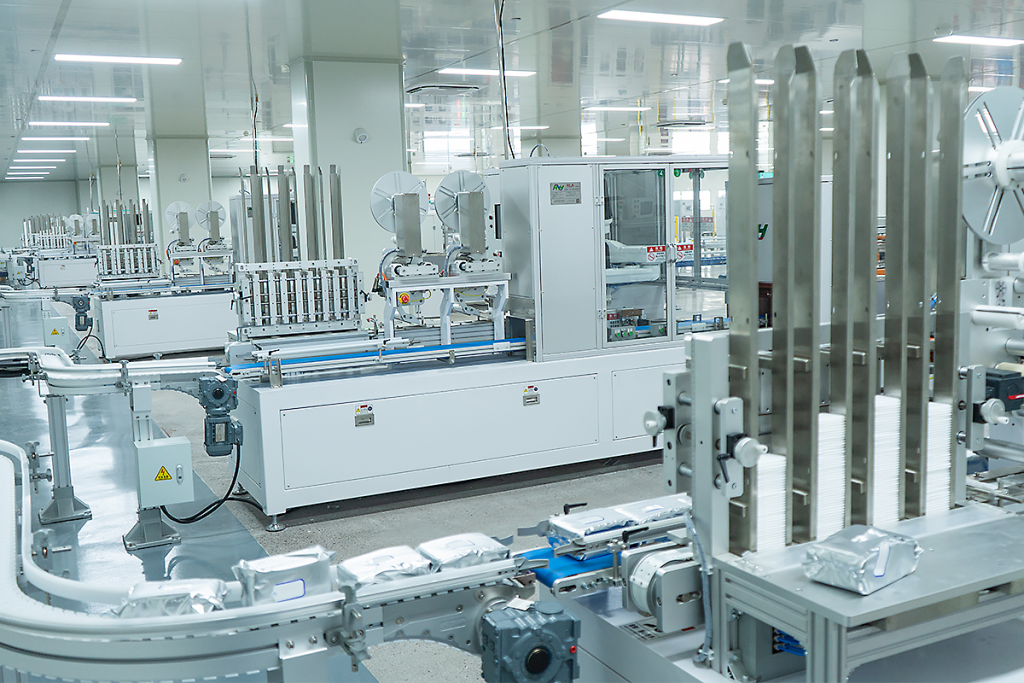
Practically, I recommend these steps: first, map your takt time and measure real cycle distributions. Second, introduce predictive alarms based on cumulative vibration or torque shifts rather than single-threshold trips. Third, retrain small operator teams to act on short, prescriptive prompts from the HMI. These moves together cut mean time to repair and reduce over-handling. I’ve implemented these on lines with legacy PLCs and achieved worthwhile gains without a full system replacement. The lesson: prioritize smart sensing and clearer human guidance over wholesale hardware swaps.
What’s Next — three metrics to evaluate solutions
To choose upgrades wisely, I advise evaluating proposals using three clear metrics: effective throughput (actual output per shift), total cost of ownership (purchase + downtime + consumables), and intervention frequency (manual touches per 1,000 units). If a vendor can show improvements on these, you will see real ROI. Also, ask for a short pilot run on your line — small, measurable tests save you money and time. I prefer vendors who offer modular improvements you can scale, because you rarely need a full redesign to achieve major gains.
In closing, I have learned that thoughtful, incremental changes driven by data and good human factors work outperform flashy purchases. Measure well, fix the coordination problems first, and then spend on things that directly reduce manual intervention. If you want a reliable partner for lid solutions, check the lineup and specs at ZLINK. I speak from hands-on experience — we tightened a line, reduced rejects, and morale improved — true story. — and yes, sometimes the best fixes are the simplest.