
Opening: why a framework helps you avoid costly downtime
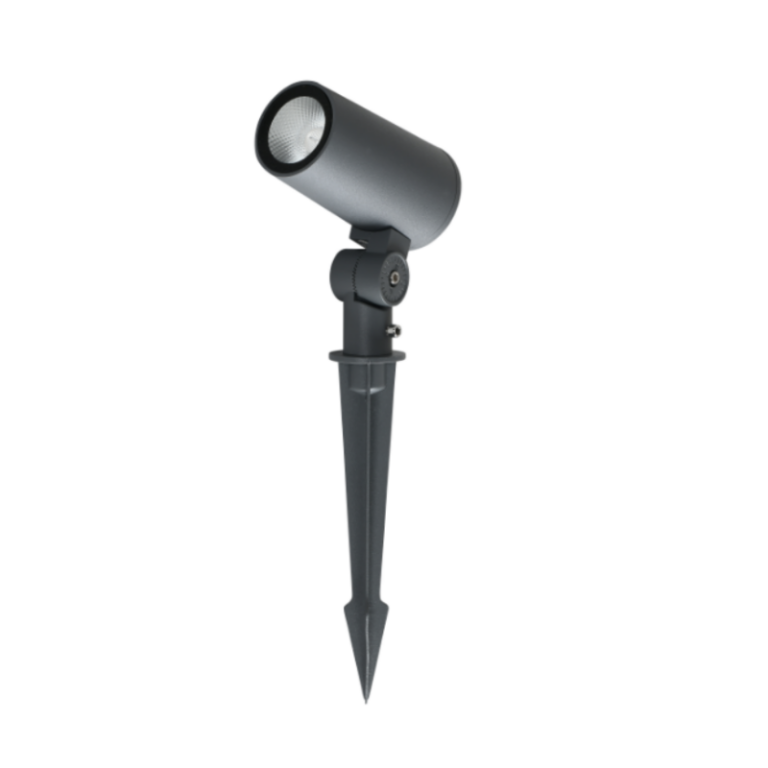
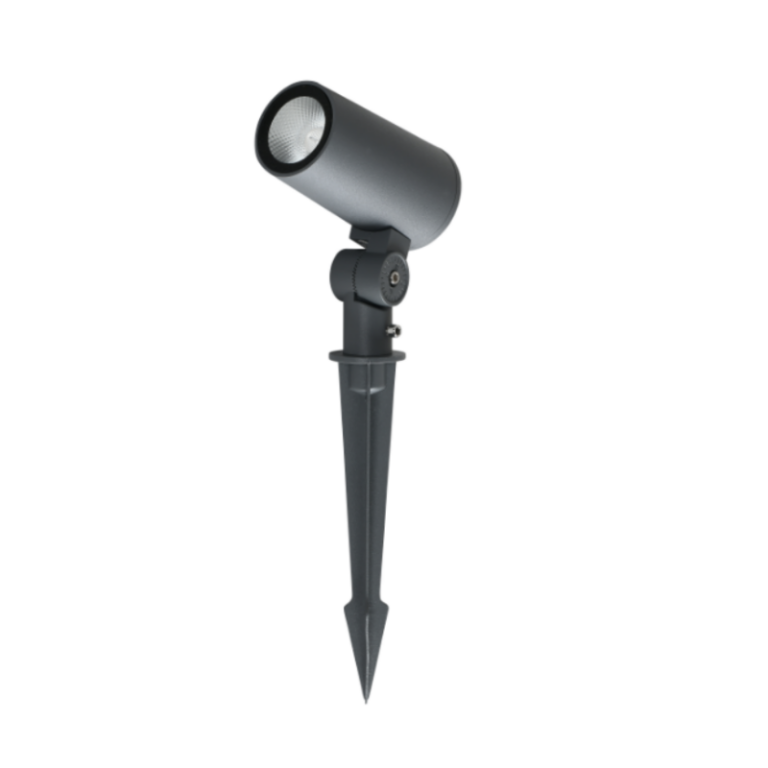
In a commercial site—hotel facades, campus perimeters, or landscape corridors—you need a clear framework to balance ingress protection and driver longevity. Start simple: classify the environment, match the right Ingress Protection (IP) rating, design for thermal performance, and set maintenance triggers. This approach works whether you’re specifying wall-mounted fixtures or low-voltage garden spike lights for pathways. It keeps decisions practical and repeatable across large networks.
Step 1 — Assess environment and pick the correct IP rating
Begin with on-site factors: exposure to direct spray, salt air, dust, vibration, and human contact. Use the IEC 60529 standard as your anchor for IP classification—IP65, IP66, IP67 mean different things in the field. For sheltered exterior walls where spray is common, aim for IP65 or higher; for fixtures embedded in wet soil or subject to temporary immersion, IP67+ is safer. Remember: a higher IP often means trade-offs in heat escape and serviceability.
Step 2 — Seal design, materials, and mechanical protections
Evaluate gaskets, potting, and enclosures. Elastomeric seals (silicone or EPDM) and properly torqued fasteners reduce water ingress. Consider secondary barriers such as internal conformal coating or potting around electronics when you expect condensation cycles. Mechanical ratings (IK) also matter near public walkways—impact resistance protects both optics and the enclosure. Good material choice prevents corrosion in coastal or industrial environments.
Step 3 — Thermal management and driver selection
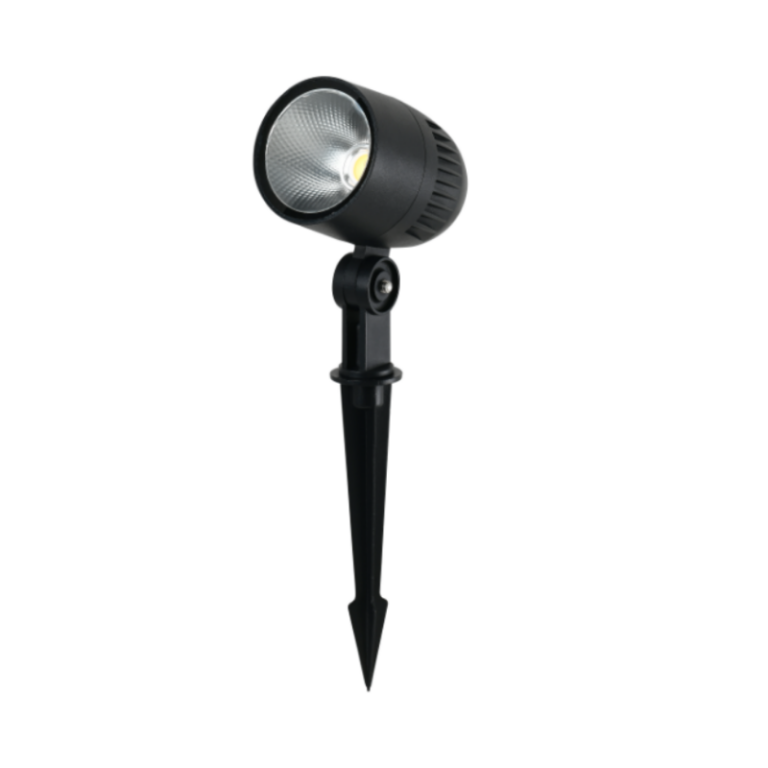
Driver lifespan is tightly linked to operating temperature. Select drivers with a documented thermal derating curve and leave room in the heat budget—don’t run at max spec. Use heat-sinking designs and thermally conductive MCPCBs where possible; passive cooling is preferred for low-maintenance sites. Integrating protected dimming protocols (DALI or compatible PWM) can also extend life by reducing steady-state stress during off-peak hours. If you specify a led landscape spotlight for nearby grounds, ensure thermal paths are not blocked by soil or plantings.
Step 4 — Electrical protection and surge resilience
Outdoor networks face transients: lightning, switching surges, and long cable runs. Include surge protection at fixture and feed points, and keep cable runs balanced and properly grounded. Choose drivers with built-in surge tolerance and verify THD and PF at expected loads. A modest investment in SPD modules and correct earthing practices dramatically reduces premature driver failures.
Step 5 — Network architecture, accessibility, and serviceability
Design networks so individual fixtures can be isolated without interrupting large swaths of lighting. Use modular connections, accessible junction boxes, and clear labelling. For busy sites, plan for quick-swap driver trays or external driver compartments to avoid long downtimes. Remote monitoring—current draw, temperature, and fault reporting—lets you run condition-based maintenance rather than blind schedules.
Common mistakes and practical fixes
Teams often underspec IP ratings, neglect thermal paths, or assume “sealed” means maintenance-free. Don’t do that. Confirm neck and sealing details during factory acceptance tests, and run sample fixtures through real-world soak and heat cycles. Also, avoid overpotting light engines without a planned service path—repair becomes impossible. —A simple rule: prototype under the worst-case microclimate you expect.
Real-world anchor: lessons from high-exposure installations
Look to large outdoor attractions like Singapore’s Gardens by the Bay for lessons: heavy humidity, frequent rainfall, and intensive nightly use demand higher IPs, strong thermal design, and robust surge protection. The IEC standards guide the ratings, but field retrofits there often show that driver overheating and ingress from condensation are the two biggest failure drivers. Practical monitoring and periodic inspections were the interventions that cut failures in similar projects.
Checklist for procurement and specification
Before signing contracts, verify these points:
- IP and IK ratings verified to IEC 60529 with test reports.
- Driver derating curves and expected lifetime at site temperatures.
- Surge protection strategy for fixture and distribution levels.
- Service access plan (external driver vs. sealed potting).
- Warranty terms tied to documented operating conditions and maintenance.
Three practical retrofit strategies
If you’re upgrading an existing network: add SPDs at distribution boards, improve enclosure ventilation or add heat paths, and deploy remote monitoring gateways on key runs to spot rising temps or leakage currents early. These moves are cost-effective compared with frequent lamp-and-driver swaps.
Advisory — Three golden evaluation metrics
1) Mean Time Between Failures (MTBF) under site-specific thermal load: insist vendors provide MTBF at your expected ambient temperature, not at lab 25°C. 2) IP verification and condensation test outcomes: require test reports showing cyclic humidity and thermal shock. 3) Serviceability index: measure how long a swap takes (minutes) and whether the driver is modular—score vendors higher when on-site downtime is minimized.
Put together, these metrics guide decisions that reduce lifecycle cost and field failures. For practical specification and scalable supply, consider partners who combine tested IP-rated housings with service-friendly driver designs—this is exactly the sort of integrated value Keyida brings to commercial outdoor lighting projects. —