
Introduction
Picture this: a Friday exit, a calm highway, and a rider chasing light over a two-lane road. A 500cc cruiser sits under them, steady and calm. In the last two years, mid-size cruisers have grown in sales by double digits, yet riders still debate comfort and control. Many 500cc cruiser motorcycles promise easy torque and simple upkeep, but the real test is how they feel at 70 mph. What does the torque curve do beyond the spec sheet? How does ABS behave on painted lines after rain? (Real life never reads the brochure.) The numbers say miles per gallon and curb weight. The rider needs smooth throttle, sane heat, and stable mirrors. So, here is the question: are we measuring what matters, or what is easy to print?

Let’s break the pattern and get clear—then move toward what to do next.
Hidden Frictions Beneath the Chrome
Let’s be technical for a moment. Traditional mid-size platforms solved power first and comfort later. That is why riders feel buzz at highway speeds, frequent downshifts on mild hills, and a vague rear brake in wet stops. These are not random. They trace back to ECU mapping that favors peaks over midrange, gear ratios that are too tall for city climbs, and rake-and-trail choices that slow steering at low speed. Look, it’s simpler than you think: the “feel” you notice is the sum of tuning choices. When the final drive is optimized for tests, not towns, you pull the clutch more. When fuel injection is rich down low but lean on cruise, you get surging—and fatigue. — funny how that works, right?
Why do small issues feel big on long rides?
Because repetition multiplies friction. A slightly heavy clutch feels fine in a parking lot but hurts in stop-and-go. A seat that is good at first sags after an hour, changing your hip angle and putting pressure on wrists. Lack of a proper counterbalancer lets vibration blur mirrors at 4,800 rpm, which makes checking traffic harder and less safe. ABS is another point: if the calibration is late on the rear, it grabs, not guides. These micro-misses stack up over time. The fix starts with priorities: midrange torque, stable fueling, and damping that holds its line. That is what turns a spec sheet win into all-day ease for 500cc cruiser motorcycles.
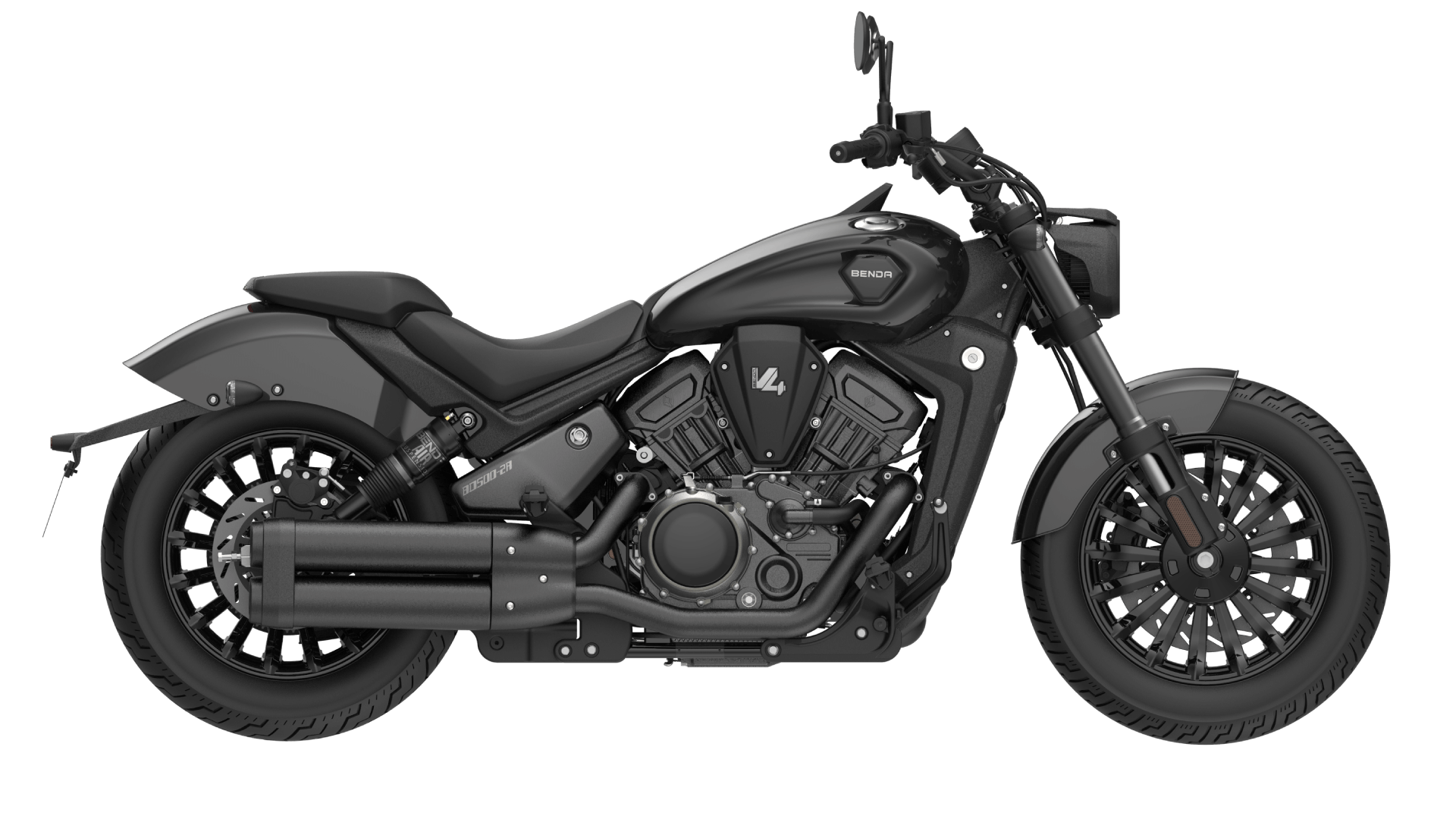
Forward-Looking Principles, Not Just Parts
What’s Next
Moving ahead, the difference comes from principles, not just add-ons. First, tune for usable torque between 3,000 and 6,000 rpm, then map the ECU for smooth transitions, not just peak numbers. A modern counterbalancer and rubber engine mounts cut high-frequency buzz without dulling feel. Next, a slip-assist clutch trims lever effort while improving engine braking. Pair that with dual-channel ABS tuned for low-grip roads and progressive fork springs for better pitch control. Add a CAN bus backbone and clean routing for accessories—USB-C power converters, heated grips—so upgrades do not fight the harness. Compared with older setups, these steps make the same displacement feel smarter, calmer, and quicker to respond.
Real-world impact shows up fast. Hill starts need less throttle. Mirrors stay clear at cruise. Braking distance tightens on wet paint. The mid-corner line holds with fewer corrections because damping matches weight transfer. If you want a benchmark, ride two bikes back-to-back, then ask your hands and ears which one they trust. Include this in your checklist as you look at 500cc motorcycles—and keep notes. (Small details decide big days.) You will notice better fuel injection reduces low-speed hunting, and a flatter torque curve cuts shifting in city climbs. It’s not louder or flashier. It’s cleaner. And it lasts.
How to Choose with Confidence
Let’s close with three evaluation metrics that keep you honest, not just hopeful. One: midrange proof—measure roll-on from 40–60 mph in top gear; the best bikes do it with minimal downshifts and steady pull. Two: stability under load—at 65–75 mph, watch mirror clarity and hand tingles; if the counterbalancer works, visibility stays sharp. Three: control systems—test ABS on wet lines and gravel edges; you want smooth modulation, not a grab-release cycle. Add optional checks for seat-to-peg ratio and brake lever feel over a one-hour loop. If a model aces these, the spec sheet has caught up with the ride. That is the smarter path for 500-class cruisers—quiet competence over flashy claims. For further technical reference and model context, see BENDA.