
Introduction — a short scene, a number, a question
I was late for a meeting, circling the mall car park while my phone told me the battery would die in twenty minutes. Around me, a handful of drivers waited at a single slow charger; a family with kids kept checking their watch. That very day I read a stat: public charging demand in urban nodes rose nearly 45% year-on-year (yes, demand is real and immediate). An all-in-one charging station promises to change that mix — can it really make charging predictable and calm for regular users like us? I ask because we have little patience for tech that complicates life more than it helps.
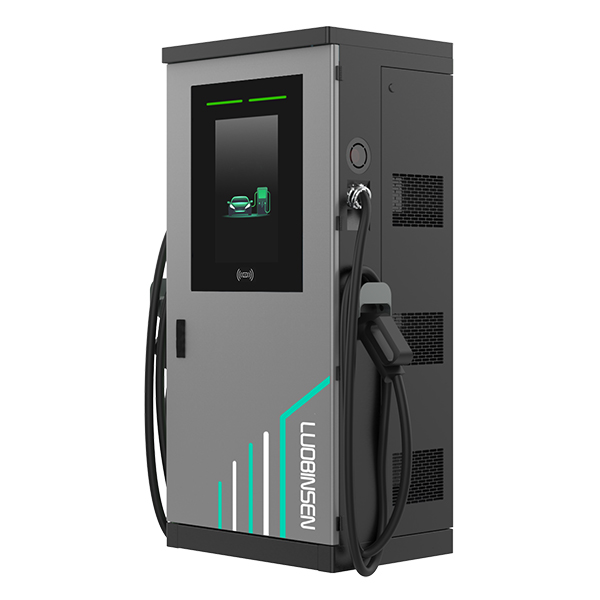
I’m writing from the viewpoint of someone who tests gear, talks to drivers, and tries chargers at odd hours. I’m not selling anything — just sharing what I notice. In many of these stations, simple bits of hardware like power converters get hot, or software menus are confusing. We often forget that a charging session is a small human ritual: plug, wait, go. If that ritual feels clunky, drivers avoid public options and stick to home charging only. So what truly matters when we look at a site, a charger or a network? Let’s examine the real pinch points and where new designs might actually help — moving us smoothly into the deeper problems many people face.
Digging into the Problems: where drivers really feel pain
ev charging machine — the phrase itself sounds clinical, but the problems are human. Many users tell me they wrestle with queues, payment errors, and confusing displays. On the technical side, older stations were built around single-point DC fast charging modules that can’t share available power well. That leads to sit-and-wait situations during peak hours, poor load balancing, and frustrated drivers. Look, it’s simpler than you think: if two cars want a quick top-up and the unit can only feed one at full rate, one of them loses time. We also see issues from thermal management failures and intermittent software authentication problems — so what looks like a “slow charger” is often a system issue, not just hardware age.
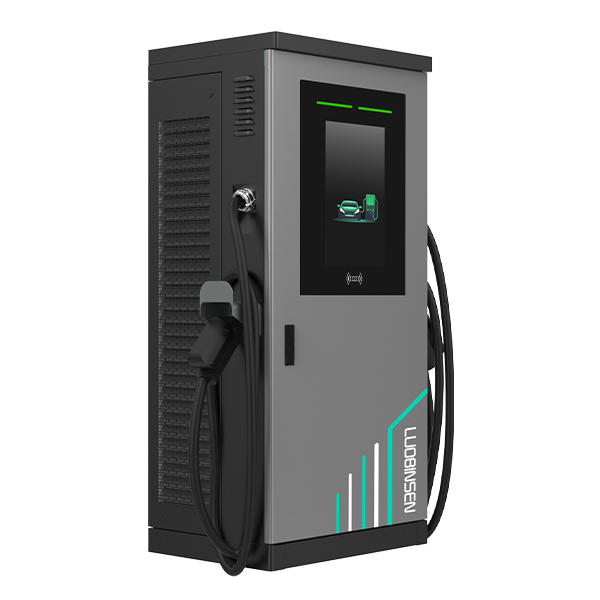
What do users complain about most?
Most complaints cluster around three elements: access, predictability, and transparency. Access — physical space and the number of connectors. Predictability — will the charger deliver promised power, or will its output fall because of local grid limits? Transparency — can I see pricing and session details without fumbling? Drivers don’t care about specs like edge computing nodes unless those specs translate to reliable session starts and consistent power. When I test stations, I watch how a session begins: is the UI clear? Does the billing show early? If the setup takes more than a minute, users get impatient — and they leave. In short: the visible issue is wait time; the hidden issue is coordination between software, power converters, and grid signals. These are fixable, but that requires design choices that put people first.
Future Principles — new tech that actually helps drivers
Now let’s look forward. I want to explain a few practical principles that can make all-in-one hubs work for people. First, modular power design: using scalable power converters and distributed energy storage lets sites serve multiple cars without throttling everyone. Second, smarter session orchestration — simple algorithms that do load balancing across bays, tie into local smart metering, and prioritise short top-ups during busy windows. Third, user-centred interfaces: clear statuses, one-tap payments, and session transparency. These are not fanciful ideas; they are engineering choices that map directly to fewer stalled sessions and happier drivers. I find this part exciting — it’s where hardware meets empathy. — funny how that works, right?
What’s Next for networks and operators?
As an observer, I see successful pilots combine local energy storage, DC fast charging capability, and a light control layer that communicates with the grid. When an ev charging provider coordinates with local utilities, the site can limit peak draw and still give short bursts when needed. Real-world pilots show lower wait times and improved user satisfaction when providers include simple predictive features — estimated queue time, expected peak rates, even basic reservation slots. If you are choosing a system, consider interoperability and ease of service first; upgrades matter less if the original design is user-hostile. In short: look for providers that treat the charging session as a user journey, not just a power transaction.
Advice for choosing a real, usable station
Before I finish, here are three practical metrics I use when evaluating a station or a provider: 1) Effective throughput per bay during peak — how many kW does a bay actually deliver when busy? 2) Session success rate — percentage of sessions that start and finish without authentication or payment errors. 3) Time-to-plug-to-go — average dwell time from arrival to departure (lower is better). These are measurable and tell you more than marketing specs. Also ask about maintainability: are parts modular, is thermal design robust, can firmware be updated remotely? These questions separate thoughtful builds from stopgap fixes.
I’ll close by saying this plainly: I want charging to be simple for everyone. When designers balance power electronics, software, and human flow, the result is calmer stations and more drivers willing to use public options. If you’re vetting equipment, take notes, test during peak, and demand clear usage metrics — you’ll save time and frustration later. For those looking for a partner that blends these principles into product and service, check out Luobisnen. I’ve watched systems grow from clunky prototypes to useful hubs — and I remain hopeful we’ll get to truly frictionless charging soon.