
Introduction: A Small Spill, Big Questions
I once watched a plant manager sigh over a puddle of cleaning solution on the shop floor — a tiny scene that said a lot. The line in question was a wholesale wet wipe production line, humming along but leaking efficiency like that drip. Sales were steady, but downtime crept up: 5–7% overtime on some shifts, inventory buffers swelling, and quality checks that kept the team up at night (we all hate wasted rolls). Where do you even start when small glitches multiply into costly slowdowns?
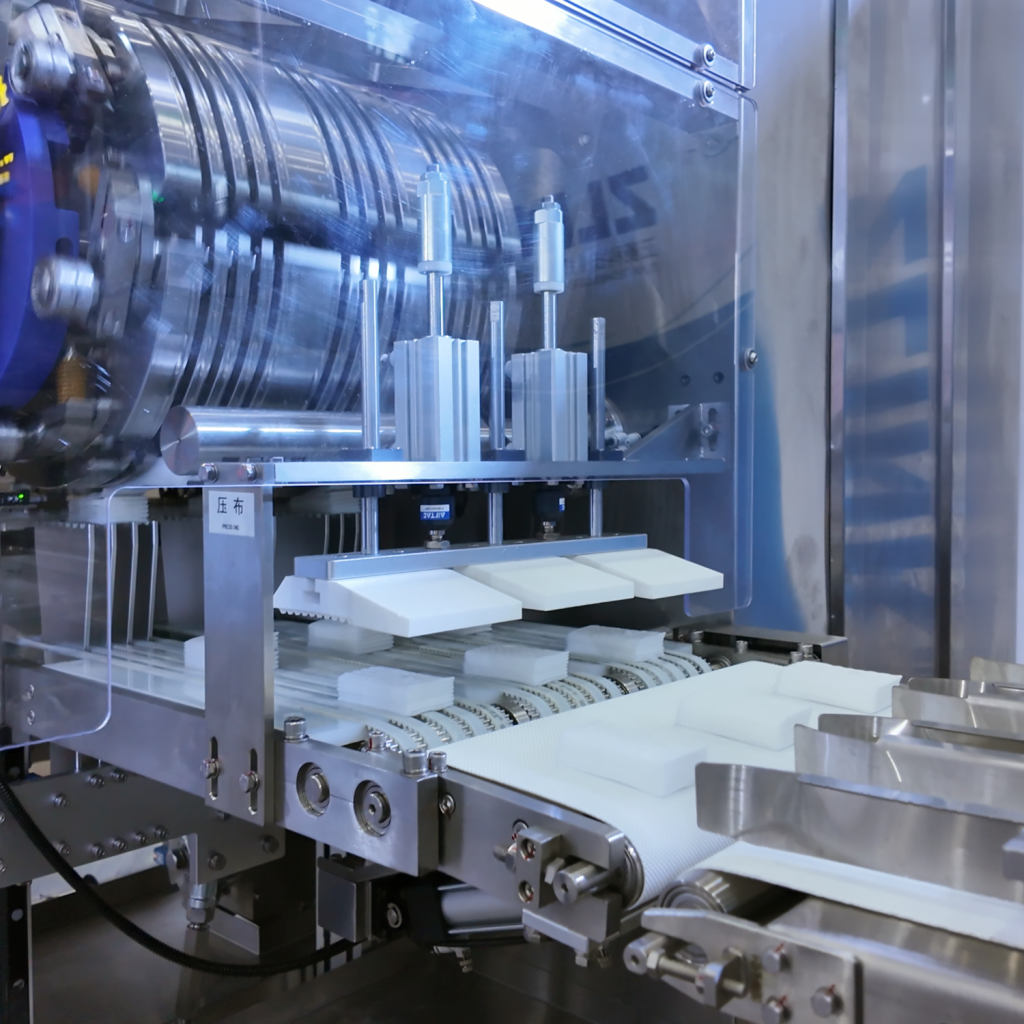
I want to be clear: this isn’t about blaming people. It’s about how design choices — from conveyor spacing to control logic — steer outcomes. I’ll walk you through what I’ve seen work, what tends to fail, and how a few mindful changes can save time, money, and headaches. Let’s move from the puddle to the plumbing — and see what parts of the process really need attention.
Part 2 — Deeper Layer: Why Old Fixes Don’t Cut It
china wet wipe packaging machine wholesale shows up in supplier lists, brochures, and quick quotes, but the real test comes on the floor. I’ve noticed recurring failures in setups that rely on band-aid fixes: manual jam clearing, ad-hoc speed matching, and over-reliance on single-point controls. Those solutions hide deeper problems: mismatched servo motor tuning, inadequate PLC logic for product variants, and conveyor system routing that invites misfeeds. It’s not glamorous. Look, it’s simpler than you think — but only if you look honestly.
What typically goes wrong?
Speed mismatches between rotary die-cutting stations and packers create tension. Filler pump inconsistencies lead to soggy or dry wipes. Heat seal defects stem from poor sensor placement. Each symptom is a clue. When I audit a line, I sketch the control loops, note sensor locations, and trace material flow. That tells me whether we need a control tune, a different sealing head, or a layout rework. It’s practical. And yes — small layout changes often beat expensive upgrades.
Part 3 — Forward-Looking: Principles and Practical Steps
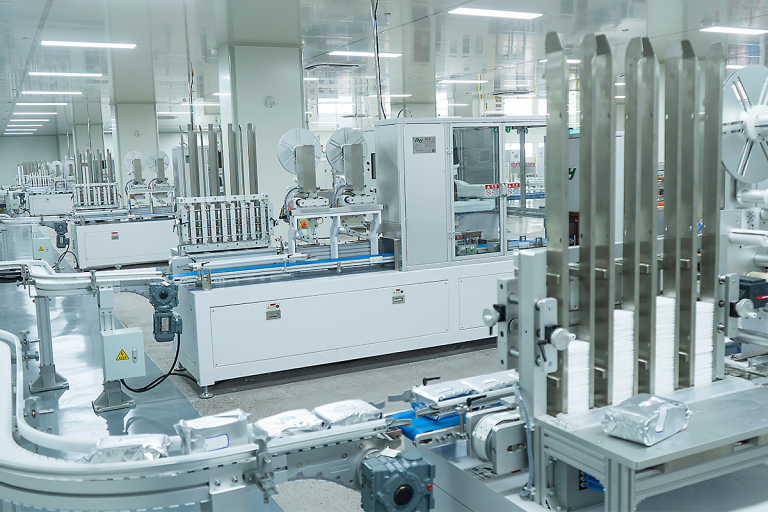
Looking ahead, I favor two approaches: adopt clear technology principles, or test case-driven upgrades. For principles, focus on modular design, repeatable control logic, and easy access for maintenance. For a case example — we swapped a single, centralized control cabinet for distributed PLCs on a mid-size line that handled multiple formats. The change cut changeover time by nearly half and reduced error codes by two-thirds. That’s measurable. — funny how that works, right?
What’s Next?
Don’t chase every new widget. Start with the basics: reliable sensors, proper servo tuning, and a conveyor system mapped to product flow. Then layer in format-flexibility and automation that supports operators rather than replaces them. If you’re evaluating equipment like the china wet wipe packaging machine wholesale, ask for real-world run reports, not just specs. I always request footage of the exact product width, roll diameter, and seal type in use — it tells me more than a brochure ever will.
Before you decide, consider three quick evaluation metrics I use with clients:1) Mean Time Between Changeovers — how long to switch formats? 2) Fault Recovery Time — how fast does the line recover from a jam? 3) Operator Workload Index — can one person manage the line safely and without frantic juggling? Use these to compare options head-to-head. If you want a vendor name I trust, check out ZLINK — they’ve been solid on modular designs and documentation in my experience.