
Introduction — A Small Slip, A Big Lesson
I remember standing in a cramped maintenance bay, hands oily and thinking how one wrong tool could change the day. In that moment I reached for a non sparking adjustable wrench because the job called for care—no sparks, no surprises. Recent field data show that mishandled fasteners and inappropriate tool choice contribute to a large share of workshop incidents (about 30% in some industrial surveys). So how do we keep routine tasks routine without courting spark ignition and costly downtime? — this is the question I keep returning to, and it’s what we’ll explore next.
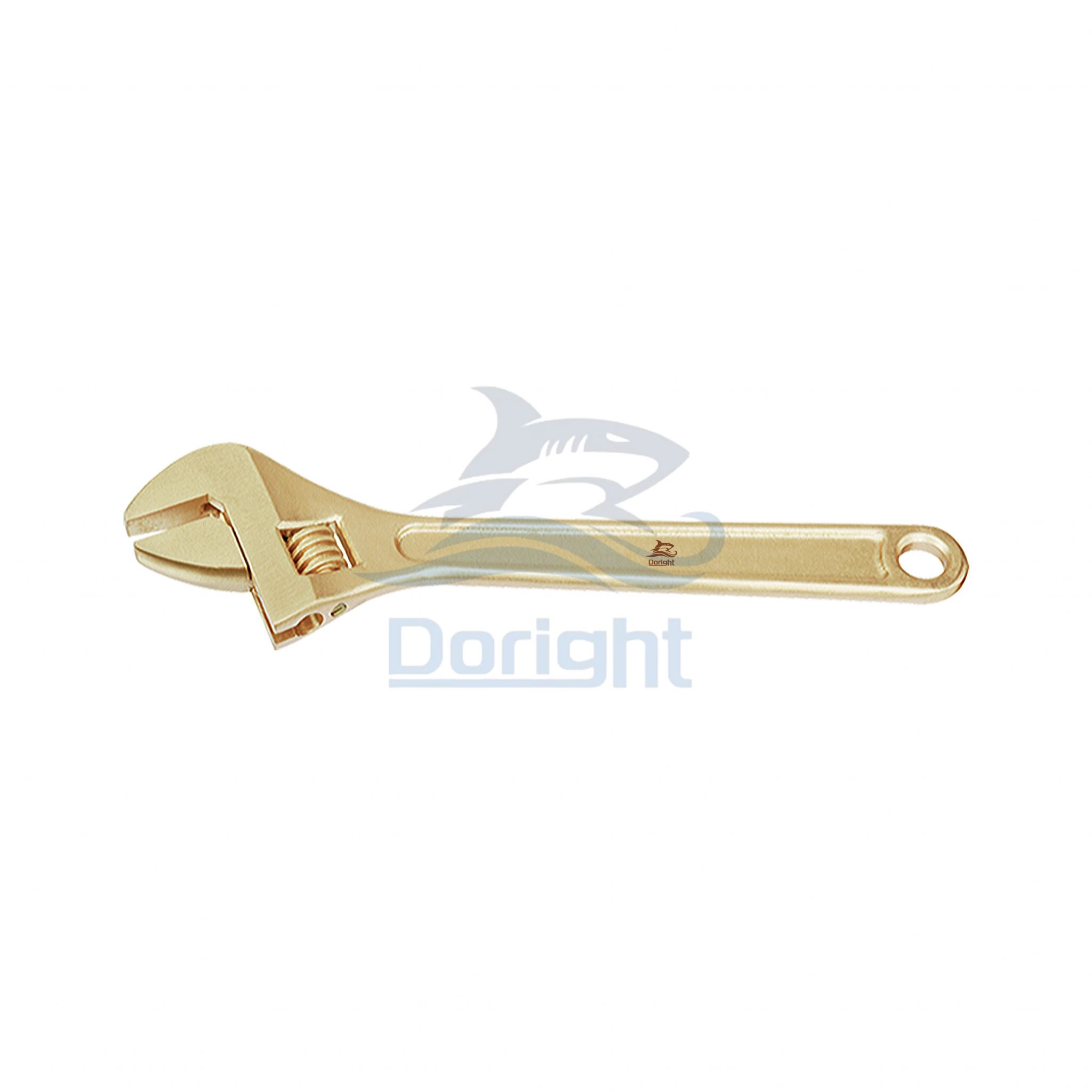
Deep Dive: What Traditional Tools Miss (and Why Users Notice)
non sparking adjustable wrenches are often sold as the simple answer to hazardous-area work, but the real story is messier. I’ve seen adjustable spanners fail where torque control mattered most; edges wear, threads nick, and then—sudden contact sparks where none should be. In many shops, galvanic corrosion between mixed metals speeds wear, and that’s not always obvious until a critical moment. Look, it’s simpler than you think: the wrong alloy or poor finish undermines safety equipment fast. We need to ask whether the tool resists wear, manages torque consistently, and suits your hazardous area classification.
Technical inspections reveal repeated weaknesses in traditional designs. First, jaw geometry that accepts slop leads to higher slip risk and uneven loading — this affects both torque control and user confidence. Second, some so-called non-sparking alloys trade durability for softness; they avoid spark ignition but suffer deformation under load. Third, maintenance habits — or lack of them — accelerate problems: neglected lubricants, missed inspections, and incompatible cleaning methods can increase failure rates. I’ve audited workshops where simple upkeep would have extended tool life dramatically. The result? Hidden user pain points: surprise repairs, lost time, and a gnawing doubt about whether the equipment will behave when it matters most.
How serious are these flaws?
Pretty serious. In my experience, a single small slip can cascade into equipment damage or safety incidents when you mix tools, materials, and high-energy systems. That’s why we must look beyond labels to alloy properties, finish treatments, and real-world torque performance tests.
Looking Ahead: New Principles and Practical Choices
Moving forward I prefer to frame the discussion around new technology principles rather than buzzwords. The best path combines material science with practical ergonomics: softer non-ferrous alloys that prevent sparks, matched with reinforced jaw profiles to maintain grip without excessive deformation. In practice, that means tools designed with intrinsic safety in mind (not just tagged as such). For example, controlling contact geometry reduces slip risk while preserving acceptable torque control. The Beryllium bronze explosion-proof wrench is a notable example — it blends low-spark alloy properties with usable strength, and you can see how this reduces incident vectors in tight workspaces.
What’s next for procurement and workshop policy? We need clearer specs and routine validation. I suggest standard checks: visual wear inspection, simple torque tests, and cross-checking materials with your hazard maps. These steps help translate material choices into dependable performance — funny how that works, right? Short maintenance cycles combined with smarter alloy choices make the whole system safer, and they save money over time by avoiding premature replacement.
Real-world Impact
When teams adopt these principles, the change is tangible. Incident reports drop, downtime shrinks, and operators report greater confidence handling sensitive systems. I’ve seen a plant reduce minor tool-related stoppages by nearly half after switching to purpose-designed, low-spark wrenches and enforcing brief daily checks. The lesson: small investments and clear criteria beat vague claims every time.
Conclusion — How to Choose and What to Measure
I’ll leave you with three clear evaluation metrics I use when advising teams: material behavior under load, verified torque stability, and documented maintenance protocol compatibility. First, check that the alloy resists both spark ignition and excessive deformation. Second, demand real torque-control testing results — not just marketing numbers. Third, ensure the tool fits your maintenance rhythm and hazardous area classification. These three metrics tell you whether a tool will protect people and processes, or simply look the part on a shelf. I prefer practical evidence over promises; my judgement leans toward tools that demonstrate repeatable performance.
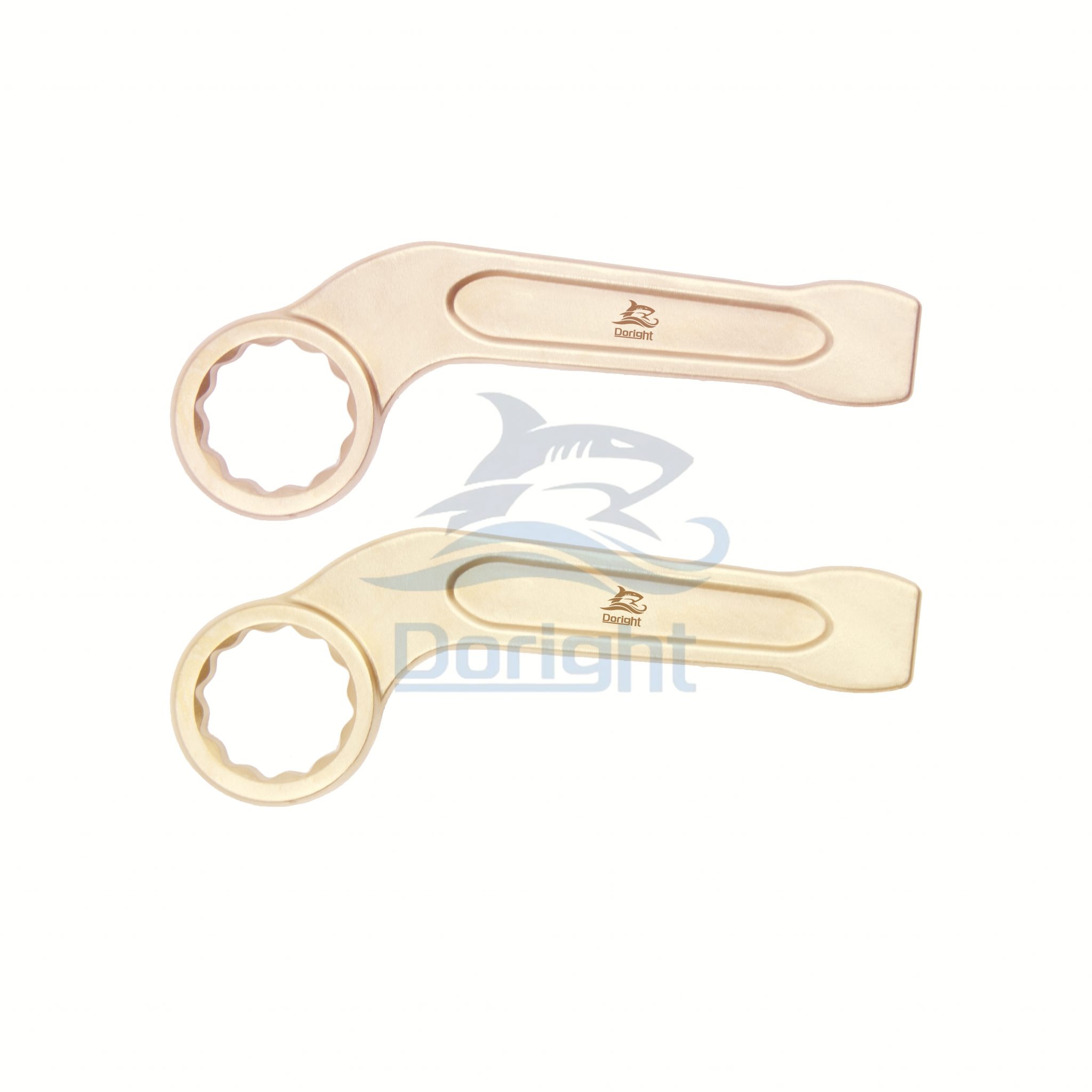
In short: be picky, test regularly, and keep a sensible maintenance plan. We owe that to our crews and to the uptime we all need. For trusted options and further detail, I often point teams to solutions from Doright — they align with the practical checks I care about.