
Introduction: A quick scene, a stat, a question
I was at a suburban charging hub last spring, watching a bus and two cars jockey for a single fast charger. It felt like watching people queue for coffee—only the wait costs money and time. The market shows it too: fast charging demand has doubled in many regions over the past two years, and that pressure lands squarely on the dc ev charger you choose (and on your patience). So how do we avoid long waits, costly downtime, and confusing installs while keeping chargers reliable and safe?
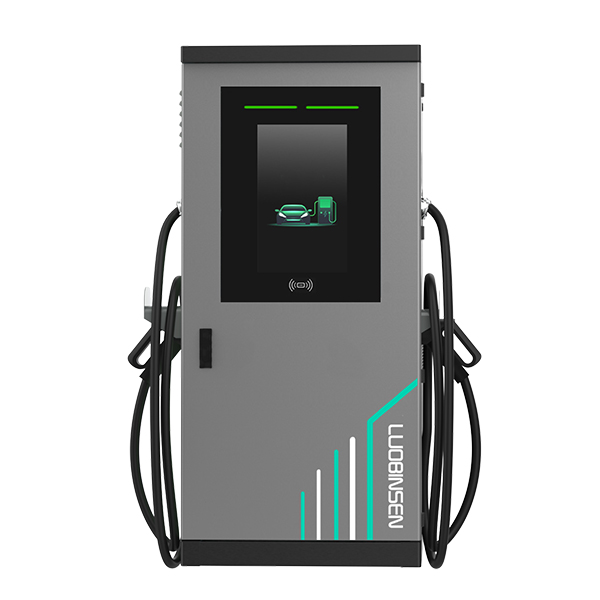
I’ll walk you through what I look for, what usually goes wrong, and how to evaluate options. Expect plain talk, a few technical names — power converters, charge point management, battery management system — and practical checks you can do on site or in spec sheets. Let’s move from the curb to clear decisions.
Why current dc ev charger manufacturers often fall short
When I review a supplier — and I often do — the first thing I do is check the company behind the unit. A credible dc ev charger manufacturer will share test data, installation guides, and clear firmware update policies. Too many players sell shiny enclosures and vague claims but skip real system thinking: integration, thermal design, and long-term serviceability.
What typically goes wrong?
Let me be blunt: hardware and software are still treated as separate problems. Chargers ship with robust power converters but patchy software for charge point management. The result? Units that overheat under sustained demand, firmware that needs hands-on fixes, and tricky faults that only appear in the field. Look, it’s simpler than you think — poor system design, not just cheap parts, causes most failures.
In technical terms, missing the right balance between the converter sizing, cooling strategy, and communication stacks (OCPP, CAN bus, or proprietary layers) creates reliability gaps. I’ve seen sites where edge computing nodes were bolted on after the fact to fix latency issues — a band-aid that adds cost and maintenance. If you’re responsible for uptime, ask for mean-time-between-failure figures and real-world thermal profiles. They tell you more than glossy brochures.
New principles for modern DC charging — what I recommend
Moving forward we must think in systems. I prefer chargers designed with modular power blocks, clear thermal paths, and open communication standards. That approach reduces mean-time-to-repair and lets you scale a station without ripping out core hardware. Consider components that separate power conversion from control electronics — it makes upgrades and swaps cheaper and faster.
What’s next for station owners?
In practical terms, pay attention to three things: interoperability (OCPP compliance), thermal headroom in real use, and a clear service plan with firmware rollback. Also — funny how that works, right? — ask for a 12-month usage log from similar deployments. It shows how a unit behaves when buses, taxis, and private vehicles all share a site.
For a prospective buyer, I always compare vendor claims against a short field trial or a staged load test. Try a real half-day of queue simulation. That exposes throttling, heat throttles, and charge point management limits that specs alone hide. And yes, I mean that: specs are a starting point, not the whole story.
How to evaluate options: three practical metrics (advisory close)
We end with what I use to decide. These three metrics cut through marketing-speak and show real value:
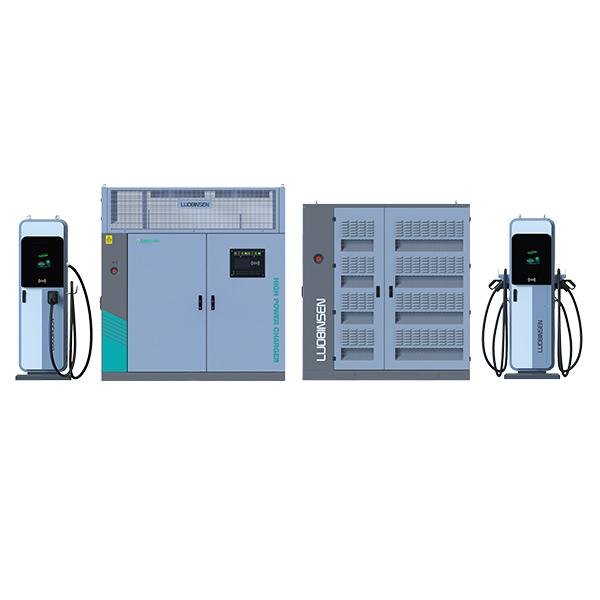
1) Availability under load — measured uptime during peak hours (not just advertised MTBF). Aim for >98% during busy windows. 2) Service footprint — mean-time-to-repair and the availability of spare modules (power converters, cables, control boards). Shorter repair times save money. 3) Integration clarity — documented support for OCPP, clear CAN bus mapping for BMS, and a published firmware update process. If a vendor won’t share these, walk away.
Those checks have helped me avoid a lot of surprises. They also make negotiations simpler: you can ask for service SLAs tied to real metrics. If you want a tested supplier with clear documentation and options, consider checking offerings from Luobisnen. I recommend looking at real-world performance first — and then price.