
Introduction
Have you ever paused in a clinic and wondered whether the flashy machine in the corner actually does what it promises? The commercial red light therapy bed sits in many spas and clinics now, and recent surveys show clinics reporting 30–50% higher client retention when they add light-based treatments. (That surprised me the first time I saw the numbers.) So what should a clinic owner or a careful user really look for when the device looks the same at a glance — price tags aside? Let’s unpack why this matters and move into what usually hides beneath the glossy exterior.
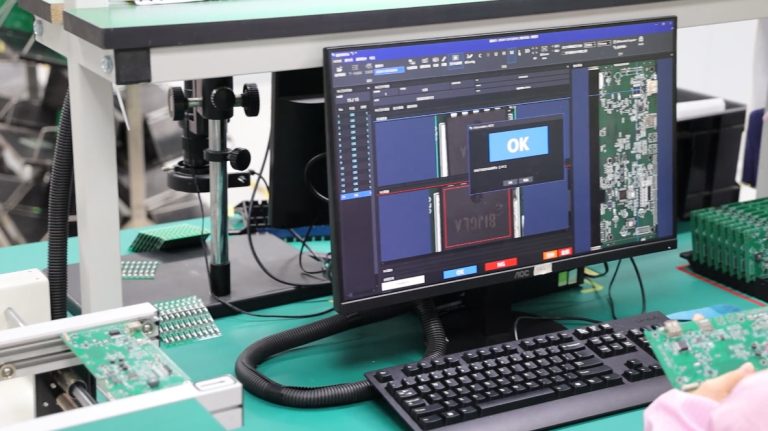
Hidden Flaws in Traditional Solutions: What the Red Light Collagen Bed Often Misses
red light collagen bed is marketed as a straightforward fix for skin tone and collagen stimulation, but many traditional setups fall short on critical engineering details. I’ve seen units with uneven LED arrays where irradiance varies across the session zone. That means some skin areas get the right dose while others are underexposed. Wavelength calibration is another weak point — devices often mix wavelengths without proper labeling, so users can’t be sure they’re getting the targeted 630–850 nm band that supports collagen synthesis. Look, it’s simpler than you think: uniform light delivery matters as much as total power.
Why does this happen?
Manufacturers cut costs with cheaper power converters and poor thermal management. Devices overheat, the output drifts, and session effectiveness drops. I feel frustrated when clinics are sold on specs alone — marketing wattage, for example, can be misleading without information on irradiance (mW/cm²) and real-world runtime. Users report inconsistent skin responses; clinics see mixed reviews. Those are the hidden pain points: unreliable dosing, unclear wavelength data, and maintenance hassles that reduce uptime. We need clearer standards and better field testing if patients are to trust outcomes.
Future Outlook: New Principles and Practical Metrics for Choosing a Bed
What’s next — and how do we compare options fairly? I like to frame this as two things: first, the principles behind design upgrades; second, clear metrics you can measure. The modern red light collagen bed should use regulated drivers for consistent irradiance, built-in wavelength verification, and modular LED arrays so clinics can service components without replacing the whole unit. Those are engineering choices that actually change results. They sound technical, yes, but they translate to fewer callbacks and steadier patient outcomes.
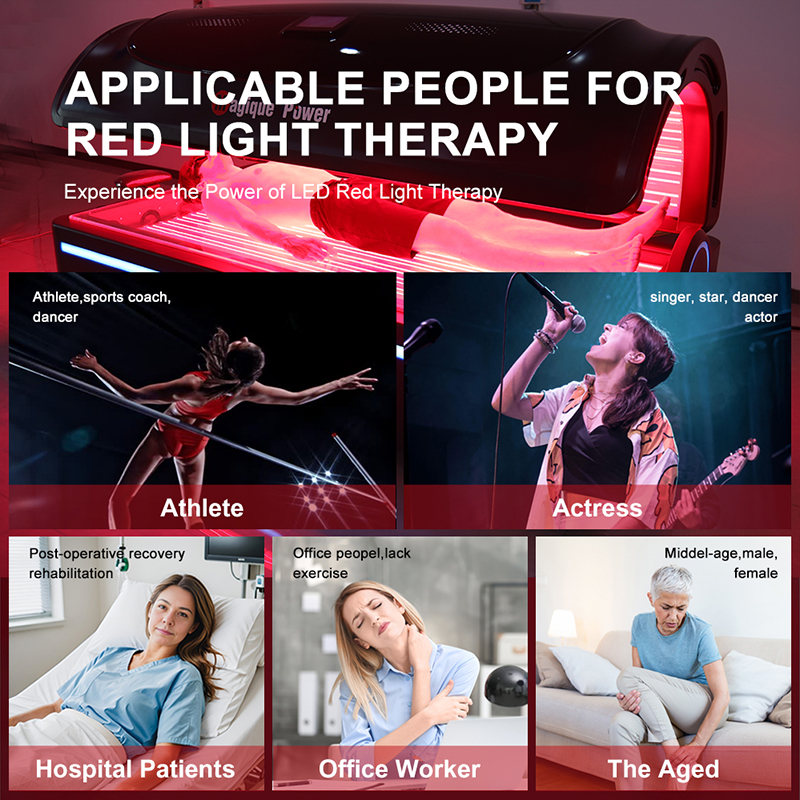
What’s Next
In practice, look for case studies and measured data — not just glossy testimonials. I recommend evaluating devices on three practical metrics: measured irradiance (mW/cm²) across the treatment surface, verified wavelength bands (nm) with documentation, and thermal stability over a typical session. Measure these before you commit. Also — funny how that works, right? — user support matters: firmware updates and quick parts replacement save time and money. Summing up, the right bed blends reliable LED engineering, clear data, and sensible serviceability. For real-world options and vendor support, consider checking materials from Magique Power.