
Introduction — a small scene, a big number
I was on a plant floor last month. Machines humming, lights low, a tech at the panel tapping and sighing. Electrical Motor Products were everywhere—motors, drives, sensors—laid out like a small city. Manufacturers report up to 18% downtime loss in medium plants without targeted control upgrades (yes, the number surprised me). How do we cut that loss and still keep costs sane? — voilà, the real question. (We like simple fixes, non? )
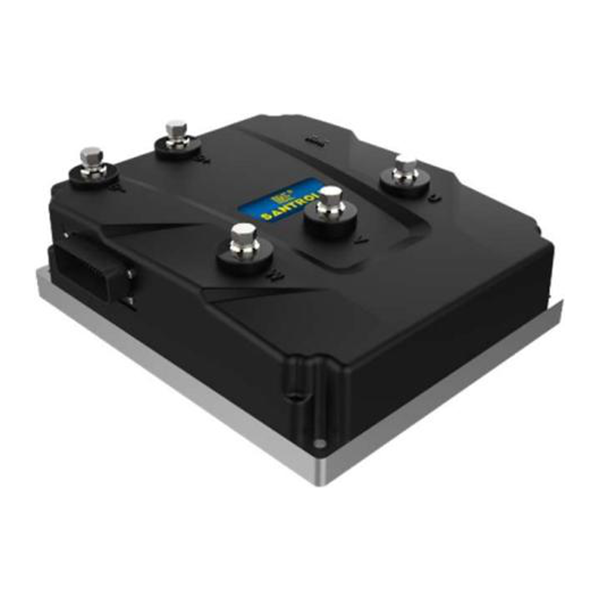
Here I share what I learned. I will be blunt. Short sentences. I want you to leave with clear choices. Next, we dig into why many systems still fail to deliver — and what hidden pains you may not have named yet.
Where the old ways break: flaws in ac motor and controller systems
ac motor and controller setups were a solid start. But I see repeat problems. First, legacy control logic often assumes steady loads. Real plants do not obey that rule. Second, wiring and sensor placement are afterthoughts, and that breeds noise and bad feedback. Third, many installs use standard VFDs but leave torque ripple and thermal stress unchecked. The result: shorter motor life, surprise trips, and irritated operators. Look, it’s simpler than you think — fault patterns repeat.
I want to be precise. Field-oriented control (FOC) is great in theory, but many teams lack tuning skills. PWM switching can create EMI that breaks nearby sensors. Sensorless control promises cost savings but fails during low-speed torque demands. In short: the hardware is capable, the integration often is not. We lose efficiency not because the motor is weak but because the system around it is sloppy. — funny how that works, right?
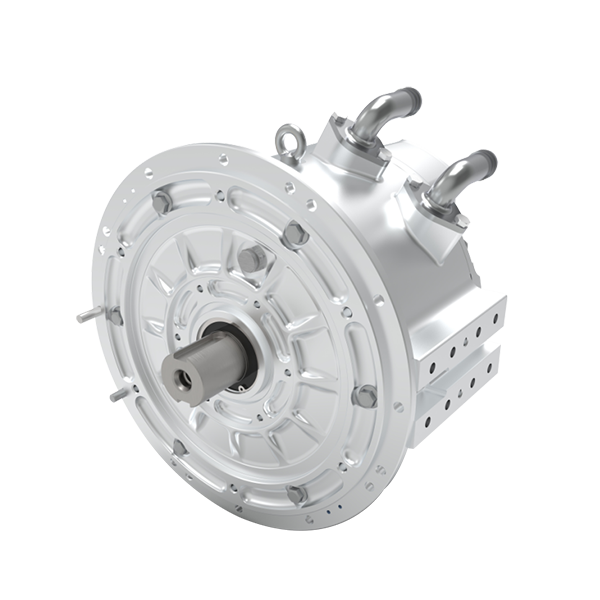
Why bother fixing integration?
Because small changes yield big wins. Better drive tuning, cleaner grounding, and smarter thermal management cut downtime and power waste. We have to stop blaming the motor alone.
Forward-looking choices: motor control products, principles, and metrics
Now we look ahead. New designs pair smarter motor control products with clearer selection rules. I am talking about modular servo amplifiers and drives that support predictive diagnostics and simple field upgrades. Better power converters with built-in filters reduce EMI. Add onboard analytics (edge computing nodes at the drive) and you get earlier warnings — less panic, more planned maintenance. These moves reduce unplanned stops and can lower mean time to repair.
Consider this: a case where a plant replaced a mismatched VFD with a matched drive offering FOC and real-time temperature sensing. Result: 12% lower energy draw and 30% fewer trips in six months. Not magic. Choice and tuning. We must weigh cost against measurable gain. I recommend quick pilot installs first — test, learn, scale. — simple experiment, big learning.
What’s Next — practical measures to evaluate options?
Here are three metrics I use when we assess a product or retrofit:
1) Integration cost: How much wiring, mapping, and programming will this need? Low cost here often beats a slightly cheaper box. 2) Diagnostic fidelity: Does the device tell you what will fail — not just that it failed? Quality here saves hours of blind troubleshooting. 3) Energy impact: Measured over a month, what is the kWh delta under real load? If a drive saves energy, it pays back faster than you think.
When you run selections this way, choices get clearer. I have seen simple retrofits beat full replacements in payback time. We test, we measure, we choose. In the end, the best products are the ones that make operators’ lives easier and reduce surprises.
I stand by these practical priorities. If you want a partner who understands both parts and people (not just specs), take a look at Santroll — they make sensible choices for real plants: Santroll.