
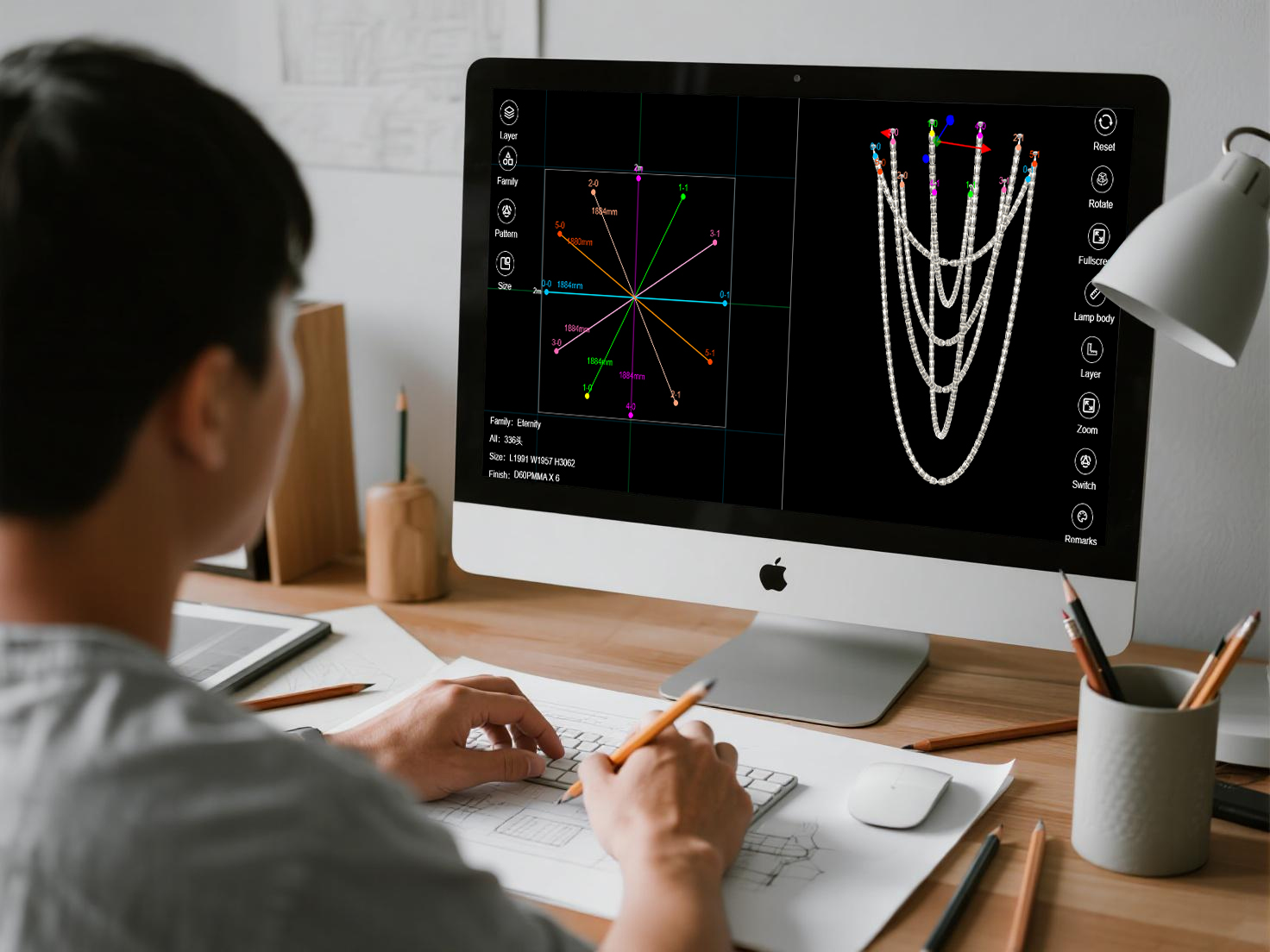
Introduction
Define the goal first: safe, stable, and consistent light for real spaces. Your pendant light supplier stands or falls on those three terms. Picture a lobby upgrade where timelines are tight and the ceiling is shallow; installers open the box and find hardware that does not fit the canopy—now the whole schedule slips (and tempers rise). Across field audits, about one in three stalled projects trace back to mismatched drivers, poor thermal management, or unclear lumen output labels—small faults with big ripple effects. If the fixture flickers on a wall dimmer, or the color rendering looks flat, the space feels off. That is a clinical outcome, not a style flaw. So, how do we choose a chain of parts and partners that lowers risk, not just price?
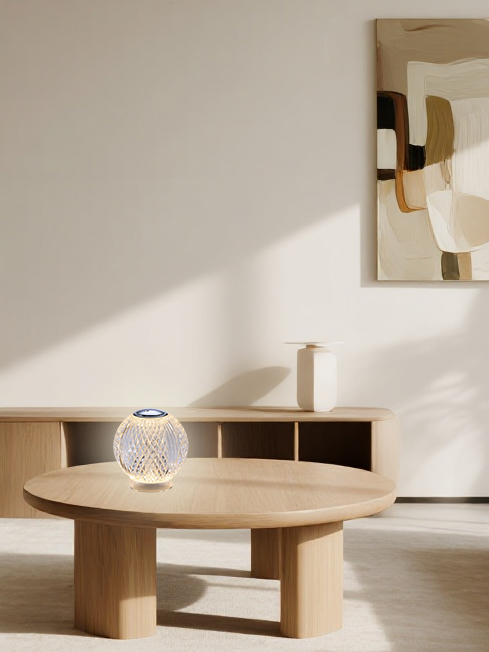
Let’s step through the core issues, then compare what actually fixes them—without noise, and with simple checks you can use on site.
Deeper Look: The 5-Light Cluster and Its Hidden Gaps
Where do the specs go wrong?
The 5 light pendant light looks easy. It rarely is. Five heads mean five heat sources sharing one canopy, one dimming driver, and one small space for wire management. If the constant-current driver is mismatched, you get shimmer on TRIAC dimmers and color shift at low levels. If the heat sink is undersized, lumen output drops over time. And if CRI is overstated, skin tones look dull—funny how that works, right? Installers also see canopies that do not cover the junction box, or cord grips that slip during leveling. Look, it’s simpler than you think: the weak link is often the driver spec and thermal path, not the shade.
Legacy fixes tend to miss the root cause. Bigger bulbs do not solve hot canopies. Swapping dimmers rarely cures driver ripple. Instead, ask for a driver with published power factor and low flicker percent, matched to total load. Confirm a tested thermal design, not just a promised heat sink. Verify CRI and R9 on the datasheet, not a brochure. Check that the suspension hardware is rated for total weight plus margin. And ensure the canopy gives room for safe bends, strain relief, and cable exits that keep pendant spacing stable over time—because drift looks sloppy after two weeks.
Comparative Edge: Principles That Make the Next Wave Work
What’s Next
Forward-looking 5-light clusters fix problems at the source. New driver designs use high-frequency regulation with ripple suppression, so low-level dimming stays smooth on both 0–10V and phase controls. Modular harnesses with keyed quick-connects prevent lead swaps and speed service. Thermal sims guide metal thickness and venting in the canopy, lowering LED junction temps. On the control side, edge computing nodes and mesh radios let grouped pendants respond together without rewire. Materials shift to recyclable lenses and robust diffusers that reduce glare while keeping beam consistency. When you consider a diamond pendant light, these principles show up as stable output, quiet electronics, and clean installs. It feels simple in the room—because the hard work sits in the driver and the canopy design.
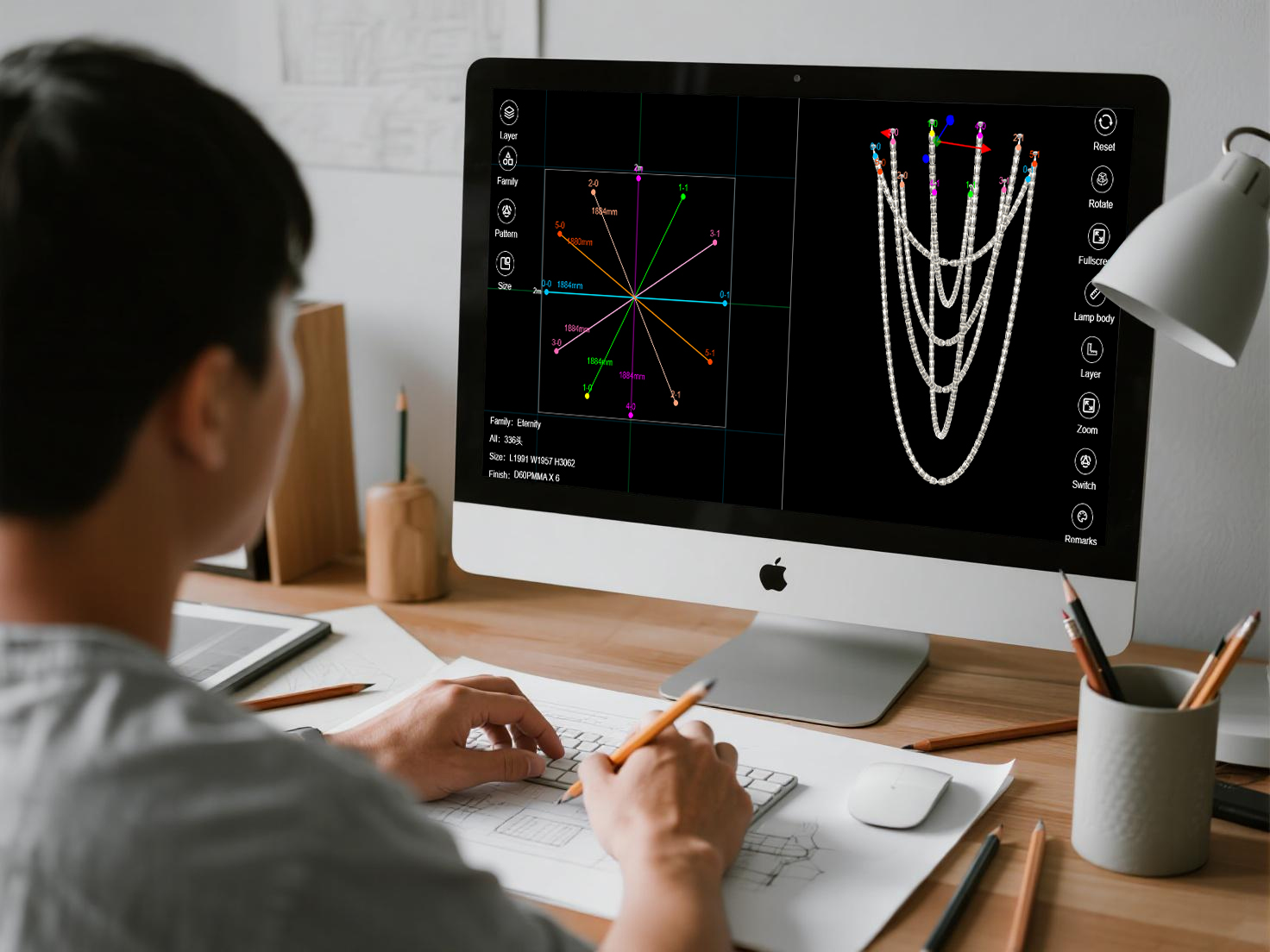
Here is how to compare options without guesswork—advisory, not hype. First, spectral quality: confirm CRI ≥90 and review TM-30 values, not only a single CRI line. Second, electrical stability: look for a constant-current driver with power factor ≥0.9, low inrush, and compatible dimming curves; robust power converters mean fewer callbacks. Third, thermal and service: check for measured case temperatures, accessible wiring space, and a canopy that allows strain relief changes without full teardown. If two models look the same on paper, pick the one with published test data and a clear service path—your future self will thank you. And yes, the quietest system often costs less to own over five years—funny how that works, right? For grounded sourcing and steady build quality, keep these principles close as you scan the market at kinglong.