
A Quick Scene, A Few Numbers, And One Big Question
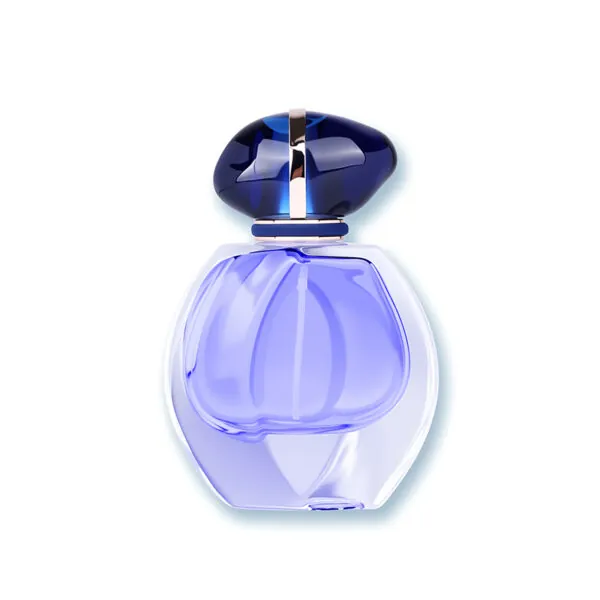
You rush to a shelf test and three caps roll off the table—oops. A round perfume bottle sits in your hand, but the sprayer feels loose and the neck looks a bit off. In small trials like this, teams say up to 30% of delays come from packaging mismatches, like the atomizer not crimping right or the collar scraping the glass (tiny things, big mess). So here’s the question: how do you compare suppliers without guessing? We need simple signs, not stress. The truth is, a few specs tell a big story—neck finish, tolerance, and pump fit can predict your day more than price tags. And yes, MOQ and lead time matter when a campaign clock is ticking. This is a kids’ level map for grown-up work—funny how that works, right?
Let’s start with what goes wrong most, then we’ll match better choices to real needs. On we go.
Where Old Methods Trip You Up (And What You Can Fix)
What keeps breaking in the pipeline?
Many brands still sort suppliers by the lowest unit price or a pretty sample set. That looks smart but hides faults. A sample may pass, yet production slips when tolerance stack-up hits the neck finish. Your crimp pump can’t seal, or torque drifts during filling. That’s when atomizer output turns uneven. If your round perfume bottle supplier cannot share real batch data—like AQL defect rates, annealing lehr profiles, or SPC charts—you’re betting on luck, not process. Hot-end and cold-end coatings may vary by shift, and color drift shows up in frosting or screen printing. Look, it’s simpler than you think: method beats magic. When QC sampling is thin, small chips at the collar appear after the first drop test, not before shipment. You also see label lift because varnish cure time was short (and no one told you).
Traditional fixes don’t help if they are just re-box-and-send. You need root-cause notes: pump compatibility tests at pressure, fill line splash checks, and neck roundness readings. Ask for lead time variance, not just a calendar date. Even the carton matters—EPE foam insert versus thin dividers—to protect the GPI thread or crimp ring. Without these, your trial run looks sweet, then batch two breaks. The pattern is simple—and avoidable.
Forward Look: Comparing on Signals, Not Hype
What’s Next
Here’s the good shift: compare by process signals. Some lines now run inline vision systems that map ovality, heel thickness, and lip chips in real time. They push SPC dashboards so you see Cpk on neck finish before you buy. A strong factory will laser-etch batch codes for traceability and show pump trials with cycle counts. In a side-by-side, a vendor with clear digital records beats a glossy PDF every time. If you plan global drops, check re-order stability. A supplier that keeps molds tuned and tracks lehr temperature windows will repeat shade and fit with less noise—funny how boring data gives the best creative freedom. If you’re evaluating a china round perfume bottle, look for the same principles: proof of process, not promises. Semi-formal note: your future headaches hide in variance, not averages.
So, three practical metrics to close the loop. One: dimensional Cpk on neck finish and sealing land (target ≥1.33) across the actual production lot, not lab pieces. Two: pump compatibility report with crimp or screw torque windows and a 1,000-cycle atomizer test, including spray plume uniformity. Three: end-to-end AQL with separate cosmetic and functional defect rates, plus lead time variance over three months. Score suppliers on these, then add nice-to-haves like frosting consistency, screen print adhesion, and carton drop results. You get faster launches, fewer returns, and calmer teams. That’s the real win. For deeper specs and steady benchmarks, see NAVI Packaging—shared knowledge, not fluff.