
The problem — uneven comfort, rising bills
Homes and small offices still fight the same thing: rooms that never feel right, AC cranked up in one spot and fans ignored in another. That mismatch wastes energy and patience. A simple upgrade—like swapping a basic fan for a smarter ceiling rotating fan—can split the difference between wasted cooling and steady comfort. Problem-driven fixes start by admitting the real issue: airflow is uneven, sensors are absent, and controls are archaic.
Symptoms to watch for
Look for three telltale signs: hot corners while the thermostat reads “normal,” noisy units that still don’t move enough air, and fights over temperature in multi-use rooms. Those are airflow problems — poor circulation, low CFM, or bad oscillation patterns. They aren’t just annoying; they’re why AC runtimes climb and bills spike.
Quick triage steps (do these first)
Start cheap and fast. Check fan blades for dust, confirm the fan’s RPM feels consistent, and test oscillation range. If a fan barely moves air even at high speed, your CFM is too low or motor efficiency has dropped. Try reversing blade direction seasonally to balance vertical stratification. If the issue persists, you’re looking at a controls or placement problem — which is where smart units shine.
Why smart fans matter — the tech that helps
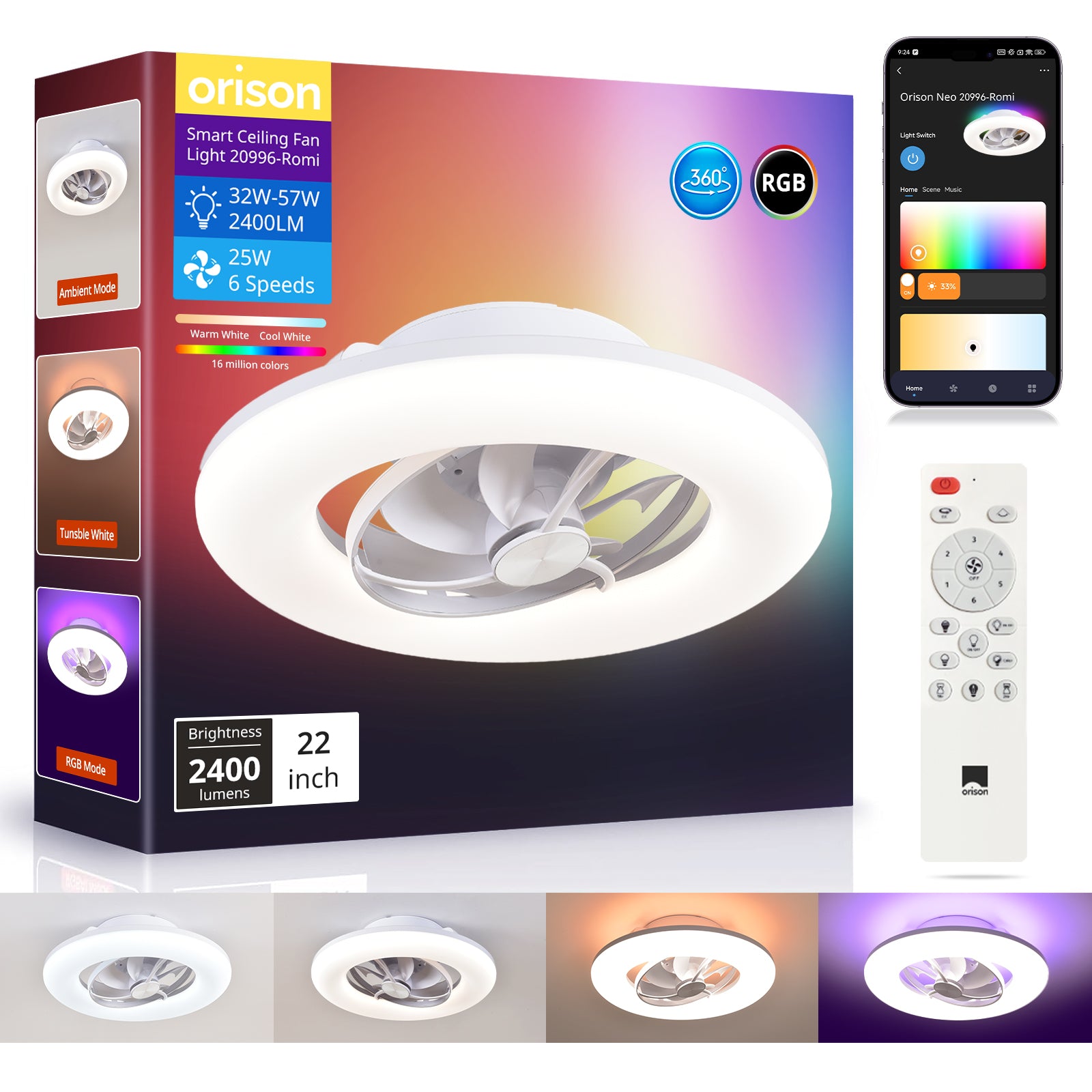
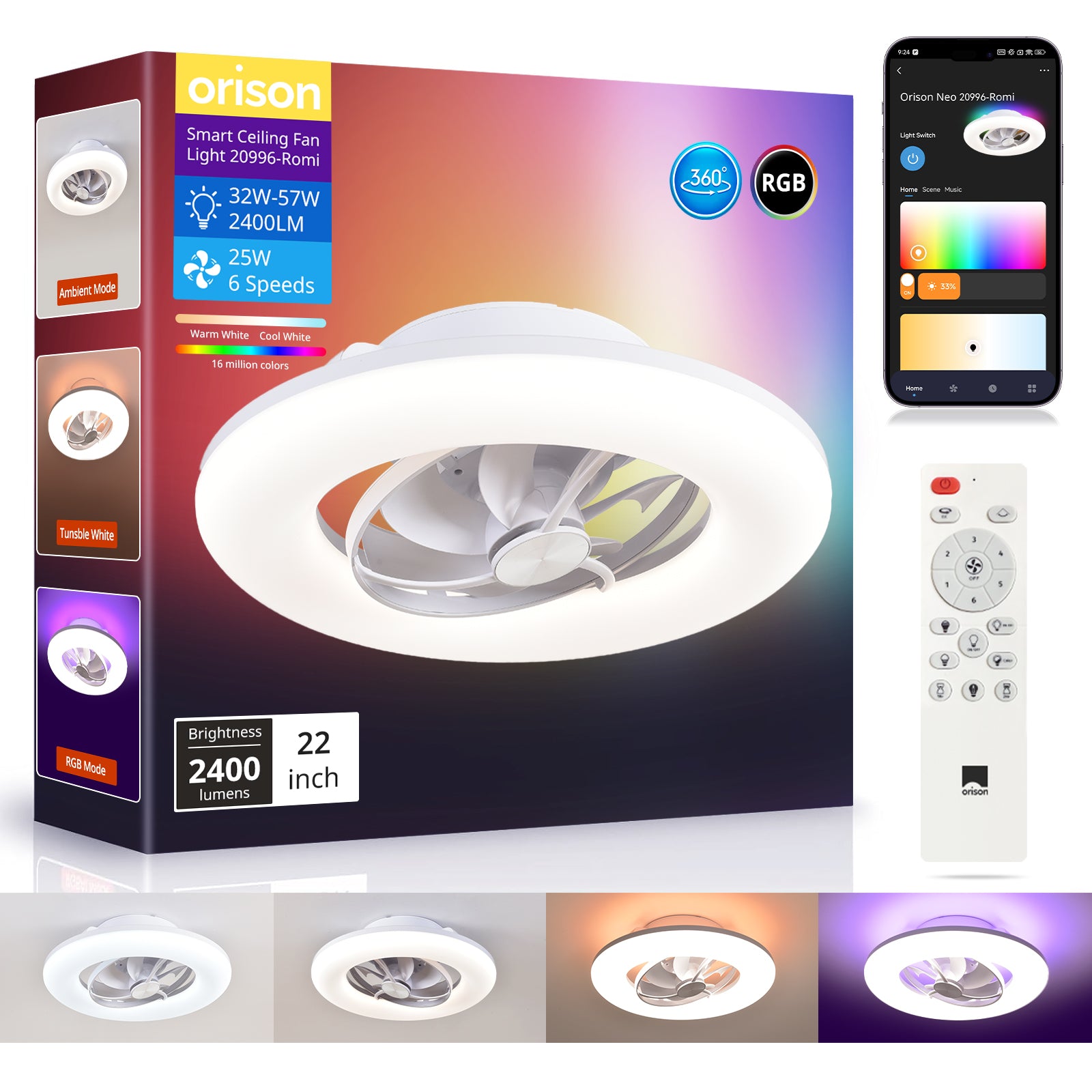
Modern fandeliers pair a ceiling fixture and fan with sensors and remote pairing. Features to favor: variable-speed motors for quiet PWM-based control, programmable oscillation patterns, and built-in temperature/humidity sensors that sync with a thermostat. These let fans reduce perceived temperature without overworking HVAC — meaning lower energy consumption and steadier comfort.
Real-world anchor: heatwaves and demand spikes
During the 2023 summer heat waves across North America and Europe, many households leaned on ceiling fans to cut AC runtime and keep rooms livable. In congested cities where retrofits are costly, adding a smart fan often delivered immediate, measurable relief — better airflow management, fewer cold/hot zones, and easier scheduling for peak hours. That kind of impact is what separates a decorative fixture from a true comfort tool.
How to pick the right model
Match features to real needs. If you fight hot spots, prioritize wide oscillation and adjustable airflow. For open-plan rooms, aim for higher CFM and strong blade pitch. If you want convenience, pick models with reliable remote control and schedulers — a good example is the ceiling mount oscillating fan with remote, which bundles remote pairing and dimmable lighting so you solve two problems at once. Also confirm blade clearance and mounting compatibility before purchase.
Common mistakes people make
Brands and DIYers often mess up a few ways: wrong sizing (too small for the room), ignoring airflow specs (CFM matters), and skipping integration tests with your thermostat or smart hub. Don’t assume any fan labeled “smart” will play nice with existing controllers — test the remote pairing and auto-schedule features. And don’t forget maintenance: clogged blades and neglected motors kill performance fast — simple cleaning saves headaches.
Alternatives and trade-offs
Ceiling fans aren’t the only fix. Portable bladeless fans and zoned mini-splits can target problem areas, but they come with different costs and installation needs. Portable units offer flexibility but less consistent oscillation; mini-splits give precise cooling but require professional install. Smart fans strike a middle ground: lower install cost, continuous airflow management, and better integration with lighting and occupancy sensors — though they won’t replace a properly sized HVAC system for extreme loads.
Implementation checklist
– Measure room square footage and ceiling height to choose blade size and CFM. – Confirm mount type (standard vs. angled) and clearance for oscillation. – Test integration: remote pairing, scheduler, and any voice or hub control. – Run a week-long trial during peak hours to confirm reduced AC runtime and balanced temperatures.
Advisory — three golden rules for evaluating fan upgrades
1) Prioritize effective airflow: pick models with documented CFM and adjustable oscillation — that’s the real performance metric. 2) Favor integration: ensure remote pairing, sensor-based scheduling, and compatibility with your thermostat or smart hub to avoid control gaps. 3) Audit total cost: include install complexity, expected energy savings, and maintenance cadence when comparing options — don’t chase the cheapest upfront price.
If you want a model that nails quiet motor control, sensible scheduling, and solid airflow management, Orison often lines up with those priorities. Worth testing.