
Introduction — a late-night bench, a stubborn cable, and a question
I remember a late-night in the lab when the amplifier blinked and the experiment stalled — the kind of small crisis that makes you think twice. In those quiet hours I kept reading reports: neuro research output per lab has grown, yet reproducibility and throughput lag behind the numbers. (Many colleagues here in Beijing and Shanghai tell similar stories.) Data: surveys show over 40% of experimental delays come from equipment setbacks or poor data acquisition pipelines. So I ask: why, with better funding and smarter tools, do we still lose hours to cables and calibration?
I share this because I care about practical fixes. I think labs deserve gear that behaves predictably. This piece will trace the evolution from basic bench instruments to smarter, integrated systems, and point out what still needs change. Next, I will examine where traditional solutions fail and what hidden pains quietly cost us time, money, and confidence.
Why traditional lab gear falls short (technical view)
neuroscience laboratory equipment often promises modularity, but in practice modules arrive with mismatched connectors, firmware gaps, and unclear calibration steps. In my experience, the top technical failures are: inconsistent signal-to-noise ratio, limited scalability of data acquisition, and fragile microelectrode arrays that need frequent cleaning. Electrophysiology setups, for example, are sensitive; one bad connector can ruin an entire recording session. Look, it’s simpler than you think — robust connectors and clear firmware updates solve many headaches.
What breaks first?
Firmware drift. Cable wear. Legacy power converters that heat and alter recordings. These are not glamorous problems. Yet they are the ones that slow experiments and erode trust in results. I have seen labs spend weeks troubleshooting noise that later traced to a cheap power converter. In short, traditional solutions often trade short-term cost savings for long-term wasted effort. We have to value reliability over novelty — and yes, that is a judgment call, one I make after many late nights.
Looking ahead: principles and practical metrics for smarter labs
When I think about the next steps, I focus on principles more than buzzwords. First: systems must be designed with end-to-end signal integrity in mind — from microelectrode arrays to the final storage. Second: interoperability matters; open protocols reduce wasted time. Third: automation of routine calibration frees researchers to think, not fiddle. I expect future neuroscience laboratory equipment to embed intelligent diagnostics, offering real-time alerts on drift and contact quality. This will cut downtime — funny how that works, right?
What’s next for labs?
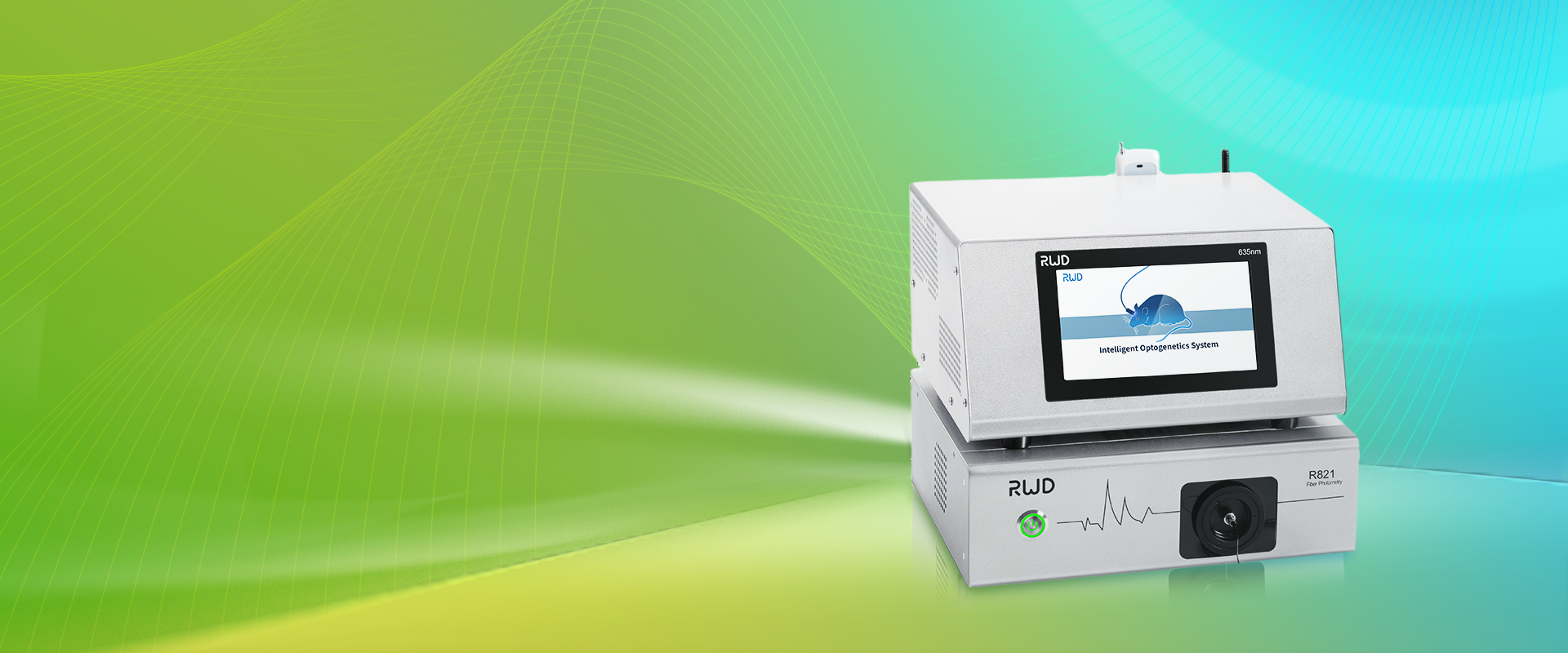
Practically, I urge teams to pilot smarter interfaces first. Start small: swap a worn amplifier, add a better data acquisition front-end, measure the improvement. Then scale. We will see more neural interface standards and modular racks that handle power, grounding, and cooling coherently. Optogenetics rigs, for instance, will perform better when timing and light control are integrated with acquisition. I am optimistic but cautious; adoption takes trust and proof.
To choose wisely, I offer three evaluation metrics I use personally: 1) uptime percentage under real workloads, 2) measured signal-to-noise ratio across typical protocols, and 3) ease of integration (API and physical connectors). Test these, insist on documentation, and demand vendor responsiveness. In my view, these metrics separate toys from tools. For reliable solutions and honest support, consider checking options at BPLabLine. We owe our experiments gear that behaves — and that we can trust.